

How to Get the Most Out of Affirmations: Boost Your Mindset
How To Get The Most Out Of Affirmations
Affirmations have become a popular tool for self-improvement, but many people wonder if they really work or how to make them effective. You may have heard friends talk about repeating positive statements every day, or maybe you’ve seen videos online about the power of self-talk.
But what are affirmations really, and how can you use them to create real changes in your life?
This article will show you how to get the most out of affirmations. We’ll go beyond simple advice. You’ll learn why some affirmations work and others don’t. You’ll discover how to choose the right words, when and how often to say them, and even how to avoid common mistakes that hold people back.
Whether you are new or have used affirmations before, you’ll find new insights and practical steps to help you feel more confident and positive.
What Are Affirmations And Why Do They Matter?
Affirmations are positive statements you repeat to yourself to change your thoughts, beliefs, and actions. The main goal is to shape your mindset in a way that supports your goals and well-being. For example, saying “I am confident in social situations” can help you feel more at ease around others.
But why do affirmations matter? Your brain is influenced by repeated thoughts. If you often think “I’m not good enough,” you start to believe it. Affirmations help break this pattern by introducing new, positive thoughts. Over time, your brain can accept these ideas, which may lead to real changes in how you feel and act.
Research shows that self-affirmation can reduce stress, increase resilience, and support better decision making. For example, a study published in the journal “Social Cognitive and Affective Neuroscience” found that affirmations activate areas of the brain linked to self-related processing and reward. This means affirmations are more than just “feel-good” words; they can actually help rewire your thinking.
Affirmations can also influence your self-talk, which is the internal conversation you have throughout the day. This self-talk has a strong effect on your mood, motivation, and even your actions. By making affirmations part of your daily routine, you can slowly shift your natural self-talk to be more supportive and less critical.
This is especially important for people who tend to be hard on themselves or struggle with self-doubt.
Another reason affirmations matter is because they can help you focus on what you want, rather than what you fear. Many people spend a lot of time thinking about their worries and problems. Affirmations direct your mind toward your strengths and goals, which can make it easier to stay motivated and positive.
How Affirmations Work: The Science Behind The Words
Many people wonder if affirmations are just wishful thinking. In reality, there’s science behind how they work. When you use affirmations, your brain’s neuroplasticity—its ability to change and adapt—comes into play. Repeating positive statements can help create new pathways in your brain, making it easier to believe and act on those positive ideas.
Here’s what happens:
- When you repeat an affirmation, your brain treats it like any other thought.
- Over time, with enough repetition, your brain starts to accept the statement as true.
- This can help shift your beliefs and actions.
But there’s a catch. If your affirmation feels completely unbelievable, your brain may reject it. For example, if you say “I am a millionaire” but have money worries, your mind may push back. That’s why choosing the right affirmations is important.
The way affirmations work is similar to how habits are formed. Just as practicing a skill over and over makes you better at it, repeating positive statements helps your mind accept new beliefs. This is why athletes and performers often use affirmations before games or shows—they are training their minds to focus on their strengths, not their fears.
Example: The Power Of Self-affirmation
Imagine you have an important presentation. You feel nervous and think, “I always mess up. ” If you start repeating, “I am prepared and speak clearly,” your mind slowly shifts. You might stand taller, breathe deeper, and perform better—not because of magic, but because your belief changed your actions.
Here’s another example: suppose you’re learning a new language and feel embarrassed about making mistakes. If your daily affirmation is, “I enjoy learning and improving,” over time you may notice you feel less stressed and more willing to try speaking, even if you make errors. This mental shift often leads to real improvement, because you are less afraid to practice.
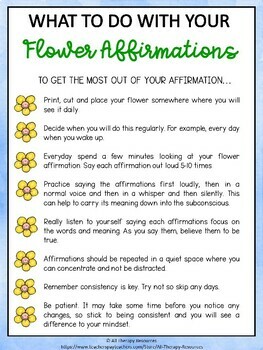
Credit: www.madebyteachers.com
How To Choose The Right Affirmations
Not all affirmations are created equal. The best affirmations feel believable, personal, and positive. Here’s how to pick the most effective ones:
- Focus on the present: Use statements like “I am” or “I have,” not “I will be.” For example, “I am calm under pressure” works better than “I will be calm.”
- Keep it positive: Avoid negative words. Instead of “I am not anxious,” say “I am relaxed.”
- Make it specific: Broad statements like “I am successful” can feel empty. Try “I am successful in my studies” or “I handle challenges with confidence.”
- Personalize it: Use words and ideas that matter to you. If you want to improve your health, an affirmation like “I enjoy nourishing my body with healthy food” might fit.
- Keep it short and simple: Long affirmations are hard to remember and repeat. Short ones are easier to use and more powerful.
A good way to check if your affirmation is right for you is to say it out loud and notice how you feel. If it brings a small sense of hope or comfort, it’s probably a good choice. If it feels fake or forced, adjust it until it feels more natural.
Examples Of Effective Affirmations
- “I am confident in my abilities.”
- “I am worthy of love and respect.”
- “I learn from every experience.”
- “I am focused and productive at work.”
- “I am grateful for today’s opportunities.”
You can also add details to make your affirmation stronger. For example, instead of just “I am healthy,” you might say, “I am making choices that support my health every day. ” This makes the affirmation feel more real and linked to your daily actions.
When And How Often Should You Use Affirmations?
Timing and consistency matter. Saying an affirmation once and forgetting about it won’t create change. Here’s how to get the most from your practice:
Best Times To Use Affirmations
- Morning: Start your day with a positive mindset.
- Before important events: Calm nerves before meetings, exams, or performances.
- Evening: Reflect and reinforce positive beliefs before sleep.
- During stressful moments: Pause, breathe, and repeat your affirmation to regain control.
You can also use affirmations at times when you notice self-doubt or negative thoughts creeping in. For example, if you catch yourself thinking “I can’t do this,” immediately use your affirmation as a gentle counter-message. This quick switch can stop negative thinking from taking over.
How Often Is Enough?
Repetition helps. Aim to repeat your affirmations at least two to three times a day. Say them out loud, write them, or even record them and listen back. The more you use them, the more natural they become.
Some people find it helpful to set reminders on their phone or place sticky notes with their affirmations where they will see them: on the bathroom mirror, computer, or even in their wallet. This keeps the positive message fresh in your mind all day.
Consistency Over Quantity
It’s better to use a few affirmations every day than many only once in a while. Consistency builds new thought patterns.
If you’re busy, even one minute in the morning and one minute at night can make a difference. The key is to create a routine so that affirmations become a regular part of your life, not just something you try when you remember.
How To Practice Affirmations For Maximum Impact
Simply repeating words is not enough. The way you practice affects the results you get. Here are key steps:
- Say affirmations with emotion: Feel the words as you say them. If you say “I am confident,” imagine what confidence feels like.
- Use a mirror: Looking at yourself while repeating affirmations can make them feel more real and powerful.
- Write them by hand: Writing engages your mind and helps you remember the words.
- Visualize success: Picture yourself living out your affirmation. This strengthens belief and motivation.
- Make it a ritual: Link affirmations to daily habits, like brushing your teeth or making coffee.
When you connect affirmations to physical actions, like looking in the mirror or writing them, you involve more of your senses. This helps your brain remember and accept the new belief. For example, writing your affirmation 10 times in a notebook each morning can help you start the day with purpose and focus.
Combining Affirmations With Other Practices
Affirmations are even stronger when paired with other habits:
- Journaling: Write about your progress or how you feel when using affirmations.
- Meditation: Start or end a meditation session with a positive statement.
- Goal setting: Use affirmations that support your specific goals.
If you meditate, try repeating your affirmation quietly at the end of your session. This combines the calm of meditation with the power of positive words. For people who keep a journal, reflect on your day and notice if your affirmation helped you handle a situation differently.
Some people like to create a vision board—a collection of images and words that represent their goals. Adding your affirmations to your vision board can make them more visual and inspiring.
Common Mistakes People Make With Affirmations
Many people try affirmations and give up because they don’t see results. Here are common pitfalls and how to avoid them:
1. Choosing Unrealistic Affirmations
If your affirmation feels false, your mind may resist. Start with statements that feel possible. As your confidence grows, you can adjust them.
For example, if you struggle with self-esteem, “I am completely confident” might feel fake. Try “I am learning to feel more confident every day. ” This feels more believable and helps you build trust in the process.
2. Using Negative Words
Phrases like “I am not afraid” focus your mind on fear. Always use positive language. Say “I am calm and brave” instead.
This is important because your mind tends to focus on the main idea of a statement, even if it’s in a negative form. If you say “I am not stressed,” your mind still hears “stressed. ” Positive framing leads to better results.
3. Being Inconsistent
Sporadic practice leads to weak results. Make affirmations a daily habit for best effect.
If you forget, don’t be hard on yourself. Just start again the next day. Some people use reminders, alarms, or accountability partners to help stay on track.
4. Expecting Instant Results
Affirmations are not magic. They take time to influence your beliefs and actions. Be patient and persistent.
Small changes often happen first. You might notice a slightly better mood or a bit more courage in a tough situation. Celebrate these small wins—they show your affirmations are working.
5. Ignoring Feelings
If you repeat words without feeling, they lose power. Engage your emotions for better results.
When you connect emotionally with your affirmation, your brain is more likely to accept and believe it. If you find it hard to feel anything, try adjusting your affirmation until it sparks even a small positive feeling.
Advanced Tips To Boost Your Affirmation Practice
Once you have the basics, these advanced techniques can make your affirmations even more effective:
Use “because” To Add Reason
Adding a reason to your affirmation gives your brain a logical link. For example, “I am confident because I prepare well. ” This feels more believable and grounded.
This trick uses the power of explanation. When you give your mind a reason, it accepts the statement more easily. Try adding “because” to your affirmation and see how it feels.
Record And Listen
Record your affirmations in your own voice. Listen to them during walks, commutes, or before sleep. Hearing your voice can strengthen belief.
You can also combine this with relaxing music or nature sounds. This creates a calming routine and helps your brain connect the positive words with a sense of peace.
Pair With Physical Movement
Say your affirmation while walking, stretching, or exercising. Movement and positive words can reinforce each other.
This works because movement helps release stress and makes your mind more open to new ideas. For example, repeat “I am strong and capable” while taking a brisk walk.
Adjust For Language And Culture
If English is not your first language, say affirmations in the language that feels most natural. The meaning matters more than the words.
Cultural differences can also shape which affirmations feel right for you. In some cultures, being humble is important, so you might prefer softer affirmations like “I am open to learning and growth” instead of “I am the best. ” The key is to choose statements that match your values.
Track Your Progress
Keep a simple log. Write down how you feel before and after using affirmations. Notice any changes in mood, confidence, or actions.
Tracking helps you see patterns over time. You might realize that you feel better on days when you use affirmations, or that certain words work better for you. This information helps you refine your practice for even better results.
Table: Examples Of Good Vs. Poor Affirmations
Here is a comparison to help you spot effective affirmations:
| Good Affirmation | Poor Affirmation | Why? |
|---|---|---|
| I am learning and growing every day. | I will not fail anymore. | Good one is positive and present; poor one is negative and future-focused. |
| I am calm and centered. | I am not stressed. | Good one focuses on desired state; poor one highlights stress. |
| I am confident because I am prepared. | I am perfect and never make mistakes. | Good one is realistic; poor one is unrealistic and hard to believe. |
How To Personalize Affirmations For Different Areas Of Life
Affirmations work best when they target specific areas you want to improve. Here’s how to create them for different parts of your life:
For Self-confidence
- “I trust my abilities and judgment.”
- “I speak up with clarity and courage.”
If you struggle with self-doubt, start with gentle affirmations. Over time, you can make them stronger as your confidence grows.
For Career Success
- “I am successful in my chosen career.”
- “I handle challenges at work with creativity.”
Try to connect your affirmation to a current goal, such as a project or promotion. This makes it more meaningful.
For Health And Wellness
- “I respect and care for my body every day.”
- “I am becoming stronger and healthier.”
If you are working on a fitness goal, you can use an affirmation like, “I enjoy moving my body and feeling energized. ”
For Relationships
- “I am worthy of loving and healthy relationships.”
- “I communicate my needs with kindness and respect.”
This can be helpful if you want to improve communication or build better connections with others.
For Stress And Anxiety
- “I breathe deeply and let go of tension.”
- “I am safe and in control.”
Pair these affirmations with relaxation exercises like deep breathing for even greater effect.
By customizing your affirmations, you make them more meaningful and powerful.
Table: Affirmations For Different Goals
Here’s a quick overview of affirmations for various life goals:
| Goal | Example Affirmation |
|---|---|
| Confidence | I am confident in my unique strengths. |
| Health | I make healthy choices with ease. |
| Career | I excel in my work and grow every day. |
| Relationships | I attract positive and supportive people. |
| Stress Relief | I am calm and present in each moment. |
Frequently Asked Questions
What If I Don’t Believe My Affirmation?
It’s common to feel doubt, especially at the start. Choose affirmations that feel possible, not perfect. For example, instead of “I love public speaking,” try “I am learning to feel comfortable speaking to groups. ” As your belief grows, you can adjust your statements.
If you feel silly or awkward, you are not alone. Many people feel strange using affirmations at first. The feeling usually fades with practice, especially when you notice small positive changes in your thoughts or actions.
Can Affirmations Replace Therapy Or Medical Treatment?
No. Affirmations can support your well-being but should not replace professional help for mental health conditions. If you struggle with anxiety, depression, or other concerns, consider talking to a licensed therapist.
Affirmations work best as a supplement to other positive habits and self-care routines. They are one tool among many for supporting your mental and emotional health.
How Long Does It Take For Affirmations To Work?
There is no fixed time. Some people notice changes in a few days; for others, it takes weeks or months. The key is consistency. Make affirmations a daily habit and track your mood or actions to see progress.
Remember, even small improvements count. If you feel a little more hopeful, motivated, or calm, your practice is working.
Should I Use The Same Affirmation Every Day?
It’s fine to use the same affirmation if it’s meaningful to you. Over time, you can update or add new ones as your goals change. Pay attention to which affirmations create a positive feeling and keep those in your routine.
Many people find it helpful to have a set of 3–5 affirmations they rotate depending on the situation or their needs that day.
Do I Have To Say Affirmations Out Loud?
Saying them out loud can be powerful, but it’s not required. You can also write them, think them silently, or listen to recordings. The most important thing is to focus on the words and feel their meaning.
If you are in a public place or feel shy, silent repetition or listening to a recording is perfectly fine.
Table: Methods For Practicing Affirmations
Different methods work for different people. Here’s a quick look at the options:
| Method | How to Use | Benefits |
|---|---|---|
| Speaking Out Loud | Say affirmations clearly, with emotion | Engages senses, boosts confidence |
| Writing | Write affirmations in a journal each day | Improves memory, creates focus |
| Recording and Listening | Record affirmations and listen daily | Reinforces belief, easy to repeat |
| Visualization | Picture yourself living the affirmation | Strengthens motivation, makes it real |
You can also combine these methods. For example, write your affirmation first, then say it out loud, and then take a moment to visualize it. Using more than one method can deepen the impact and help you stay engaged.

Credit: thehappyplanner.com
Non-obvious Insights For Success
Many beginners miss these important points:
- Emotional engagement is key. If you say affirmations with no feeling, they have less effect. Take a moment to connect with the words.
- Environment matters. Using affirmations in a calm, private place helps you focus and believe. If you feel silly or distracted, find a quiet spot.
- Track your changes. Many people forget to notice small improvements. Write down any positive shift in your mood, confidence, or actions. This builds motivation to keep going.
Another insight is that your affirmation practice can evolve. As you grow, your needs and goals will change. Update your affirmations every few months to keep them relevant and motivating.
Also, don’t underestimate the value of “micro-affirmations”—small, supportive statements you use throughout the day. Examples include “I am doing my best” or “It’s okay to make mistakes. ” These quick reminders can boost your mood in just a few seconds.
Finally, remember that setbacks are normal. If you have a bad day or forget your affirmations, it’s not a failure. Just return to your practice when you can, and be kind to yourself during the process.
Final Thoughts
Getting the most out of affirmations is not about magic words—it’s about building new, positive beliefs and habits over time. Choose statements that feel real to you, use them often, and engage your emotions. Pair affirmations with actions: prepare for your day, take care of your health, and keep learning. If you stay consistent, you’ll notice more confidence, less stress, and a stronger belief in yourself.
If you want to learn more about the science of affirmations, you can explore resources like this Positive Psychology article.
With patience and practice, affirmations can become a powerful tool for growth in your daily life. Start today, and let your words help shape a better tomorrow.

Credit: www.kelly-mahler.com
