

How Often Do You Say Affirmations for Lasting Positive Change?
How Often Do You Say Affirmations
If you have ever searched for ways to improve your mindset, you have likely heard about affirmations. These are positive statements you say to yourself, like “I am confident,” “I am worthy,” or “I can handle what comes my way.” People use affirmations to change their thoughts, boost confidence, and reach personal goals. But a common question comes up: How often should you say affirmations for them to actually work? This is not just a simple habit; the frequency, timing, and approach can make a big difference in your results.
This article takes a deep look at the science, psychology, and real-world experiences behind affirmations. It covers how often to use them, why repetition matters, how to get the best results, and common mistakes to avoid. Whether you’re new to affirmations or looking to improve your practice, you’ll find clear advice, research insights, and practical steps you can start today.
What Are Affirmations And Why Do People Use Them?
Affirmations are short, positive statements you repeat to yourself to influence your thoughts and beliefs. The idea is that by regularly repeating these statements, you can help shift negative thinking patterns, boost self-esteem, and encourage positive actions.
People use affirmations for different reasons:
- To build self-confidence
- To reduce anxiety or stress
- To focus on goals
- To overcome negative self-talk
- To recover from setbacks
For example, someone who feels nervous before public speaking might say, “I am calm and confident when I speak. ” Over time, these words may help change how the person feels and acts.
The Science Behind Affirmations
Affirmations are not just wishful thinking. Psychologists have found that self-affirmation theory suggests people can protect their self-worth through positive self-statements. Regular use of affirmations can activate the brain’s reward systems and help create new patterns in the mind.
A study published in the journal Social Cognitive and Affective Neuroscience showed that affirmations can increase activity in areas of the brain linked to self-processing and positive valuation. In simple terms, the brain can respond to repeated, positive words as if they are true, especially over time.
How Often Should You Say Affirmations?
There is no single “correct” number for everyone, but research and experience offer clear guidelines.
Daily Repetition Is Key
Most experts agree that saying affirmations daily is important. Consistency builds new mental habits, just like learning a new skill. Once a day is a good starting point, but many people find that repeating affirmations 2-3 times a day produces better results.
For example, you might:
- Say your affirmations after waking up
- Repeat them at lunch or during a break
- Say them again before going to sleep
Repeating affirmations throughout the day helps your mind remember and believe the positive statements.
How Many Times Each Session?
The number of times you repeat each affirmation in a session matters too. Many coaches suggest 5 to 10 repetitions for each statement. This gives your mind enough time to focus without making the process feel forced or fake.
For example:
- “I am strong and capable” (repeat 5–10 times)
If you have several affirmations, you can cycle through each one, repeating each several times before moving to the next.
Weekly And Monthly Consistency
While daily repetition is most important, the real power comes from long-term consistency. Using affirmations for several weeks or months helps create lasting change. Skipping a day is not a big problem, but stopping completely after a few days won’t create deep results.
Think of affirmations like watering a plant. A little water each day works better than flooding it once a month.
Data From Real Users
Surveys from personal development communities show:
- Over 80% of people using affirmations daily notice positive changes within four weeks.
- Those who use affirmations only once a week report fewer results.
These numbers highlight why regular, daily practice matters.
When Is The Best Time To Say Affirmations?
The timing of your affirmations can increase their effect.
Morning Affirmations
Morning is one of the best times. Your mind is fresh, and your thoughts haven’t been shaped by the day’s stress. Saying affirmations in the morning sets a positive tone for the day.
Example: While brushing your teeth or during a shower, repeat your statements.
Nighttime Affirmations
Before sleep is another powerful time. As your mind prepares to rest, positive statements can sink in more deeply. Some people find that affirmations before bed help them wake up more optimistic.
During Stressful Moments
Affirmations are also helpful in the middle of the day, especially during tough times. For example, before a big meeting or after an argument, repeating a calming affirmation can help you regain focus.
Linking Affirmations To Habits
One of the easiest ways to remember your affirmations is to tie them to daily habits. For example:
- Say them while waiting for your coffee
- Repeat while walking
- Use them during meditation or prayer
This makes affirmations automatic and less likely to be forgotten.
How Long Should You Practice Affirmations?
Many people wonder, “When will I see results?” The answer depends on your starting mindset, how often you practice, and the strength of your negative thoughts.
Short-term: Noticeable Changes
Some people feel a difference in mood or attitude after a few days. Small shifts, like a more positive outlook or less self-criticism, can appear quickly.
Medium-term: Real Behavior Change
Most people see bigger changes after 3 to 4 weeks of daily practice. By this point, new habits are forming, and positive self-talk feels more natural.
Long-term: Deep Belief
For lasting transformation, several months of steady use are best. Old negative beliefs took years to form, so be patient as you build new ones.
What Happens If You Stop?
If you stop saying affirmations, old thinking patterns may return. Like physical exercise, mental habits need ongoing practice. However, after enough time, positive self-talk becomes automatic and needs less effort.

Credit: www.shopiowa.com
Best Practices For Saying Affirmations
Getting the most from affirmations is not just about how often you say them, but how you say them.
Make Affirmations Personal And Specific
Generic statements like “I am happy” are less powerful than personalized, clear affirmations. For example:
- Instead of “I am successful,” try “I am making steady progress in my career every day.”
Personal and detailed affirmations connect more strongly with your goals.
Use Present Tense
Affirmations work best in the present tense. Say “I am healthy,” not “I will be healthy.” This helps your mind believe the statement is true now.
Add Emotion
Feeling the words as you say them matters. Visualize success, feel gratitude, or imagine pride. The more emotion, the stronger the effect.
Speak Clearly And Slowly
Rushing through affirmations reduces their impact. Speak slowly, clearly, and with conviction.
Write Them Down
Writing affirmations by hand or keeping them in a journal adds another layer of focus. Some people post sticky notes around their home or use phone reminders.
Combine With Other Techniques
Affirmations work even better when combined with:
- Visualization (imagine your success)
- Breathing exercises (calm the mind)
- Meditation (focus attention)
This multi-step approach makes affirmations stick.
Common Mistakes When Using Affirmations
Many people do not get results from affirmations because they fall into common traps.
1. Using Unbelievable Statements
If your affirmation feels impossible, your mind may reject it. For example, if you are struggling financially, saying “I am a millionaire” may feel fake. Start with believable, gentle statements like “I am learning to manage money well. ”
2. Inconsistent Practice
Sporadic use leads to weak results. Skipping days or forgetting makes it harder to form new habits.
3. Lack Of Emotion
Repeating words without feeling is like reading a script. Connect emotionally to your affirmations for greater power.
4. Too Many Affirmations
Using too many at once can overwhelm your mind. Focus on 3 to 5 key affirmations at a time.
5. Not Updating Affirmations
As you grow, your needs change. Update your affirmations regularly to match your new goals or challenges.
Different Approaches: Comparing Affirmation Schedules
Let’s look at how different repetition routines affect results. This can help you choose the best schedule for your needs.
| Routine | Description | Typical Results |
|---|---|---|
| Daily, once | Say affirmations every morning | Steady improvement in mood, small habit changes |
| Daily, three times | Morning, midday, and night | Faster mindset shifts, stronger new habits |
| Weekly only | Once every week | Minimal change, often forgotten |
| Event-based | Only during stress or special events | Short-term comfort, little long-term growth |
Most people find that multiple short sessions each day work best, especially in the beginning.
How To Track Your Progress
Measuring your progress helps keep you motivated and lets you adjust your routine.
Journaling
Keep a simple affirmation journal. Write your affirmations, note how you feel before and after, and track changes over time. This can reveal patterns, like which affirmations work best for you.
Mood And Behavior Tracking
Notice changes in your mood, actions, or confidence. For example, are you less anxious in meetings? Do you feel more positive about challenges? These shifts show your affirmations are working.
Accountability Partners
Some people share their affirmation journey with a friend or coach. Regular check-ins add motivation and support.
Personal Stories: How Often Do Successful People Use Affirmations?
Many high achievers use affirmations daily. Here are a few real-world examples:
- Athletes: Many top athletes repeat affirmations before competitions to stay focused. For example, a runner might say, “I am fast and ready,” several times before a race.
- Entrepreneurs: Business leaders often use affirmations every morning to build confidence and set intentions for the day.
- Students: Some students repeat affirmations before exams, such as “I am prepared and calm,” to reduce test anxiety.
These examples show that consistent, daily practice is common among successful people.
Non-obvious Insights About Affirmation Practice
While the basics are easy to find, some insights are less obvious:
- Affirmations can backfire if not adjusted. If you repeat a statement that feels too far from your reality, it can create frustration. Adjust your affirmation to make it feel true enough to believe, but still positive.
- The environment matters. Saying affirmations in a quiet, safe space increases their effect. If you always rush or feel embarrassed, your mind may resist change.
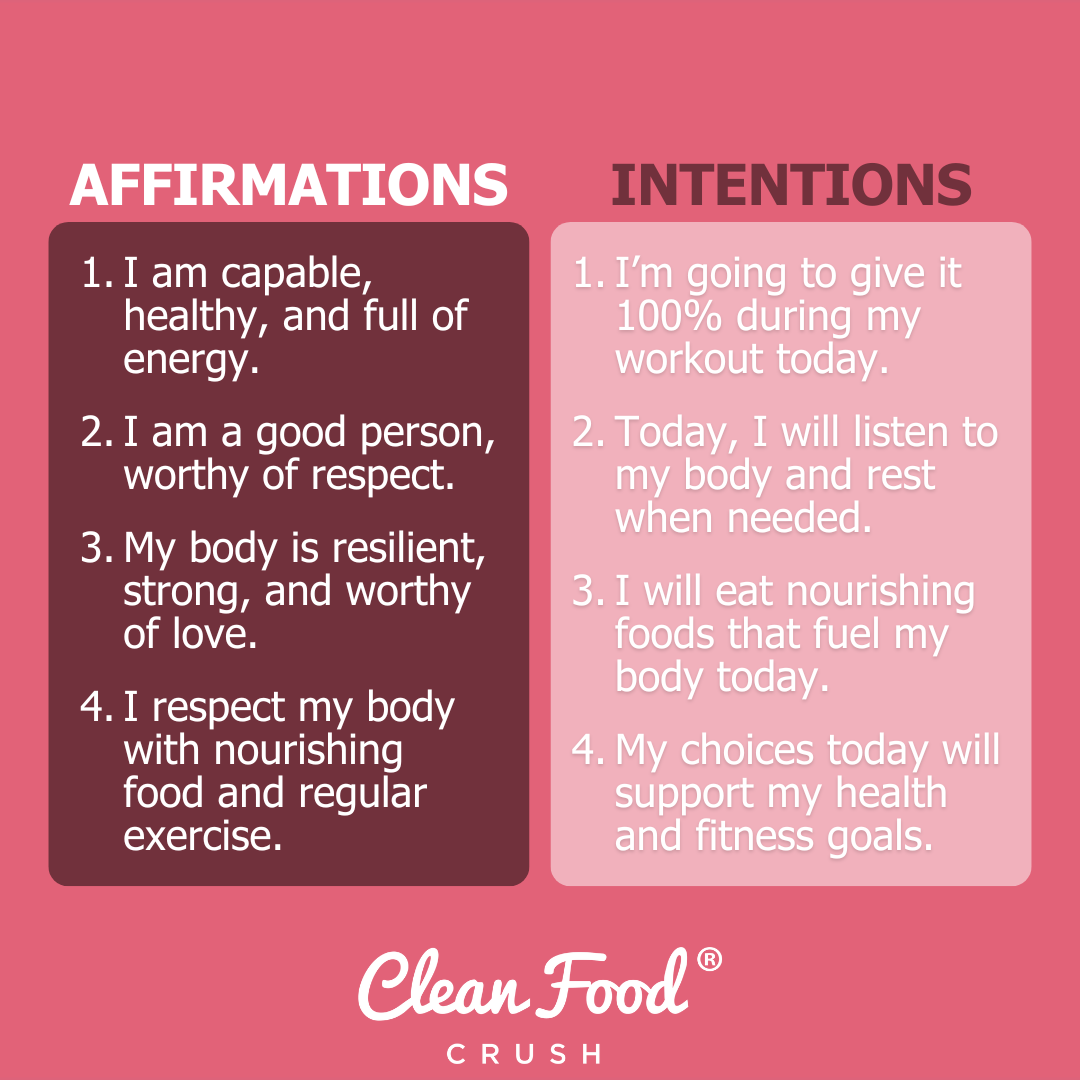
- Pairing affirmations with action brings faster results. For example, if your affirmation is about being healthy, support it by taking a walk or eating well. The mind connects the words with real progress.
Credit: cleanfoodcrush.com
Should You Use Technology For Affirmations?
Modern tools can help you remember and use affirmations. Apps, smart speakers, and online programs offer reminders, guided sessions, and progress tracking.
Apps
Many affirmation apps let you set daily reminders, record your voice, or listen to pre-written affirmations. These can be helpful if you often forget your routine.
Smart Speakers
Devices like Alexa or Google Assistant can play affirmations for you at set times. Hearing affirmations out loud can make them feel more real.
Online Communities
Sharing your affirmation journey in online groups can add support and new ideas. You can learn from others’ experiences and stay motivated.
How Affirmations Compare With Other Self-help Methods
Affirmations are just one tool for self-improvement. Here’s how they compare with other common techniques:
| Method | Main Focus | Best For |
|---|---|---|
| Affirmations | Changing thoughts through repetition | Building confidence, shifting mindset |
| Visualization | Imagining success in detail | Goal-setting, motivation |
| Meditation | Calming and focusing the mind | Reducing stress, improving clarity |
| Journaling | Exploring thoughts in writing | Self-reflection, emotional balance |
Many people combine these methods for better results. For example, repeating affirmations after meditation or during visualization can make each tool stronger.
What To Do If Affirmations Don’t Seem To Work
Sometimes, people say affirmations for weeks but see little change. Here’s what to check:
- Are your affirmations too broad or unrealistic? Try making them more specific and believable.
- Are you practicing consistently? Skipping days slows progress.
- Are you connecting emotionally? Add more feeling to your words.
- Are you pairing affirmations with action? Support your statements with small steps.
- Are you giving yourself enough time? Change takes weeks or months, not days.
If needed, seek advice from a coach, counselor, or a trusted friend for feedback.
Affirmations And Mental Health
Affirmations can help with mild anxiety, low mood, or low self-esteem, but they are not a replacement for professional help. If you have ongoing mental health struggles, use affirmations as a support tool alongside therapy or medical care.
For more on the science and psychology behind affirmations, you can check out Wikipedia’s overview of affirmations.

Credit: debratrappen.com
Frequently Asked Questions
How Many Times A Day Should I Say Affirmations?
Most experts recommend 2 to 3 sessions per day for best results. Morning and evening are popular times. The key is consistency, not just the number of times.
Can I Say Different Affirmations In The Same Session?
Yes, you can use several affirmations in one session. It is best to focus on 3 to 5 at a time to keep your practice clear and effective.
What If I Don’t Believe My Affirmations?
If your affirmation feels untrue, adjust it to something more believable. For example, instead of “I am confident,” try “I am learning to be more confident. ” Build up slowly as your belief grows.
Do I Have To Say Affirmations Out Loud?
Saying affirmations out loud is more powerful because it engages more senses. However, you can also write them, think them silently, or listen to recordings if you prefer.
How Long Before I See Results From Affirmations?
Small changes can happen in a few days, but most people see real results after 3 to 4 weeks of steady practice. Lasting change takes months of regular use.
Affirmations are a powerful tool for changing your mindset, but only if you use them with intention and consistency. The best results come from daily repetition, emotional connection, and choosing statements that feel personal to you. Over time, affirmations can help shift your thoughts, build your confidence, and support your goals.
By understanding how often and how to say them, you set yourself up for real, lasting growth.
