

How Many Daily Affirmations Should You Have for Real Results?
How Many Daily Affirmations Should You Have
Daily affirmations are simple sentences you repeat to yourself to build a positive mindset. Many people use them to boost self-confidence, focus their thoughts, and reduce stress. But one question often comes up: How many daily affirmations should you have? Is it better to focus on one, or use many? Picking the right number can make affirmations more effective and easier to use every day.
In this article, you’ll learn how to find your ideal number of affirmations. We’ll look at research, practical examples, and common mistakes. You’ll also get tips for building a routine that fits your life. Whether you’re new to affirmations or already have a list, you’ll find guidance to make your practice stronger and more meaningful.
What Are Daily Affirmations?
Daily affirmations are short, positive statements. You say them to yourself to change your mindset or behavior. Examples include “I am strong,” “I believe in myself,” or “I am worthy of love. ” People use affirmations for many goals, such as improving confidence, reducing anxiety, or focusing on success.
You can say affirmations out loud, write them in a journal, or repeat them silently. The goal is to help your brain believe what you’re saying. Over time, this can change your feelings and actions.
Studies show affirmations can help with stress and self-esteem. For example, research from health psychology suggests that repeating positive statements can calm your mind and help you handle challenges. But the key is using them in a way that fits your daily life.
Why The Number Of Affirmations Matters
Choosing the right number of affirmations is important. If you use too many, it’s easy to forget them or lose focus. If you use too few, you might not cover all your goals. The number you pick can affect how well affirmations work for you.
Think of affirmations like exercise routines. Doing too much can be overwhelming. Doing too little might not give results. You want a balance that fits your needs and schedule.
Some people start with one affirmation. Others use a list of ten or more. But more does not always mean better. Using too many can feel like a chore. Using too few might leave gaps in your goals.
Research And Data On Affirmation Usage
Many studies explore how affirmations affect the mind. But few focus on the exact number you should use. Still, some useful patterns appear when you look at the data.
A survey of mindfulness practitioners found that most people use three to five affirmations daily. This number helps them focus without feeling overwhelmed. Another study in psychology found that repeating a small set of affirmations, rather than a long list, led to stronger changes in behavior and mood.
Here is a comparison of common approaches:
| Number of Affirmations | Typical Results | Common Challenges |
|---|---|---|
| 1 | Strong focus on one goal | May miss other needs |
| 3-5 | Balanced focus; easy to remember | Requires regular review |
| 6-10 | Covers more goals; risk of distraction | Harder to commit; less depth |
| 10+ | Wide coverage; may feel like a task | Low impact; less emotional connection |
Most experts agree that a small set of affirmations is best for daily use. More than five can feel hard to manage. Less than three may not be enough for all your goals.
How To Choose Your Number Of Daily Affirmations
The ideal number depends on your goals and habits. Here are practical steps to help you decide:
1. Identify Your Main Goals
Think about what you want to change or improve. This could be self-confidence, focus, calmness, or motivation.
2. Write Affirmations For Each Goal
Try to keep each affirmation simple and direct. Example: “I am confident at work.”
3. Test Your List
Start with three to five affirmations. Repeat them each morning or evening. Notice if you remember them easily and feel connected.
4. Adjust As Needed
If your list feels too long, cut it down. If you forget some, focus on fewer. If you feel you need more, add one or two.
5. Check Your Progress
After a week, ask yourself if the affirmations are helping. Change your list if your needs shift.
Examples Of Daily Affirmation Lists
To help you decide, here are examples of affirmation lists with different numbers:
One Affirmation
- “I am enough.”
This is a good choice if you want strong focus. It works well for busy people or those with one main goal.
Three Affirmations
- “I am calm.”
- “I am confident.”
- “I am grateful.”
This covers different areas: emotional balance, self-esteem, and gratitude. Three is easy to remember and use.
Five Affirmations
- “I am focused.”
- “I am strong.”
- “I am worthy.”
- “I am open to new ideas.”
- “I am patient.”
Five affirmations help you cover more goals, but still keep things simple.
Ten Affirmations
- “I am positive.”
- “I am kind.”
- “I am healthy.”
- “I am brave.”
- “I am creative.”
- “I am loved.”
- “I am disciplined.”
- “I am generous.”
- “I am successful.”
- “I am energetic.”
Ten can cover many areas. But it’s harder to remember and repeat every day.
Factors That Influence Your Ideal Number
Different people need different numbers of affirmations. Here are some factors to consider:
Time Available
If you have little time, stick to one or two affirmations. If you can spend five minutes each day, three to five is a good choice.
Personal Goals
Some goals need more focus. If you’re working on several areas, a longer list may help. If you want deep change in one area, keep it short.
Memory And Focus
It’s easier to remember and connect with fewer affirmations. If you tend to forget, start with less.
Emotional Connection
You should feel a real connection to each affirmation. If your list is too long, you may lose this feeling.
Routine
If you already have a morning or evening routine, fit your affirmations into it. If not, start simple.
Here is a quick comparison of routines and affirmation numbers:
| Routine Type | Affirmation Count | Best For |
|---|---|---|
| Morning Only | 1-3 | Quick boost |
| Morning & Evening | 3-5 | Lasting impact |
| All day (on reminders) | 5-10 | Multiple goals |
Building A Strong Affirmation Routine
Once you know your number, create a routine that fits your life. Here are steps to help:
1. Pick A Time
Choose a time when you’re calm and undistracted. Morning is popular, but evening works too.
2. Repeat Affirmations Out Loud
Saying them out loud makes them more powerful. You can also write them down.
3. Visualize The Meaning
As you say each affirmation, picture yourself acting on it.
4. Feel The Words
Try to connect emotionally. If an affirmation feels empty, change the wording.
5. Use Reminders
Set reminders on your phone or write sticky notes. This helps make affirmations a habit.
Example Routine
- Wake up and say three affirmations out loud.
- Write them in a notebook.
- Repeat them before sleep.
This simple routine takes less than five minutes but can change your mindset over time.
Common Mistakes When Using Affirmations
Many beginners make mistakes that reduce the power of affirmations. Here are some to avoid:
1. Using Too Many Affirmations
A long list can feel like a task and lose emotional impact.
2. Choosing Vague Or Negative Words
Affirmations should be positive and specific. “I will not fail” is less helpful than “I succeed. ”
3. Skipping Days
Consistency matters. Missing days reduces the effect.
4. Not Believing The Words
If you don’t believe an affirmation, it won’t work. Adjust the wording if needed.
5. Copying Others Without Personal Meaning
Affirmations work best when they fit your life and goals.

Credit: www.amazon.com
How To Make Affirmations More Effective
It’s not just the number that matters. How you use affirmations can change their impact. Here are tips to make them stronger:
- Personalize your affirmations
Use your name or specific goals. Example: “I, Maria, am confident at work.”
- Keep them short and clear
Short affirmations are easier to remember and repeat.
- Repeat consistently
Daily repetition builds new habits.
- Review and update
Change your list as your goals change.
- Add emotion
Feel the meaning behind each word.
- Pair with action
Try to act in ways that match your affirmations.
Comparing Affirmation Practices
Different methods exist for using affirmations. Here’s a look at how common practices compare:
| Practice | Number Used | Pros | Cons |
|---|---|---|---|
| Single Affirmation | 1 | Deep focus; quick | May miss other goals |
| Theme-Based | 3-5 | Covers main areas; balanced | Requires review |
| Long List | 10+ | Wide coverage | Hard to remember; less impact |
| Rotating List | Varies | Flexible; keeps fresh | Requires planning |
Most people find theme-based or single affirmation practices easiest to start with. Rotating lists can help avoid boredom, but need more planning.
Insights Beginners Often Miss
When you start using affirmations, you may overlook a few key points:
- Quality is more important than quantity
One strong, meaningful affirmation can have more impact than ten weak ones.
- Consistency beats intensity
Repeating a small set every day is better than using many, but rarely.
- Affirmations work best when combined with action
Saying “I am healthy” is good. Adding healthy habits makes it stronger.
- Your needs may change over time
Review your list every month. Adjust as your goals shift.
Real-life Examples
Many people use daily affirmations to improve their lives. Here are three stories:
Story 1: Busy Professional
Maria works long hours and felt stressed. She started with one affirmation: “I am calm under pressure.” She repeated this every morning. After two weeks, she felt more relaxed at work. She later added two more affirmations for balance.
Story 2: Student Building Confidence
David wanted to build self-esteem. He used five affirmations, including “I am smart,” “I am worthy,” and “I am prepared. ” He wrote them on sticky notes. Over a month, he noticed more confidence in class.
Story 3: Parent Seeking Balance
Linda, a parent, used ten affirmations to cover many goals. She found it hard to remember all. She cut her list down to four key affirmations and felt more connected to her practice.

Credit: www.springhealth.com
The Role Of Affirmation Length
The length of each affirmation matters. Short statements are easier to remember and repeat. Long sentences can feel forced or hard to recall.
- Short: “I am confident.”
- Medium: “I am confident and ready to face challenges.”
- Long: “I am confident, prepared, and able to face every challenge with calm and focus.”
Most experts suggest keeping affirmations under ten words. This helps with daily repetition and emotional impact.
Should You Rotate Affirmations?
Some people like to change their affirmations regularly. Rotating can keep your practice fresh and fit changing goals.
- Rotate affirmations every month if your needs change.
- Keep a core set for stability.
- Try new affirmations to find what works best.
But avoid changing too often. It takes time for affirmations to make an impact.
How Age And Lifestyle Affect Your Choice
Age and lifestyle can influence your ideal number. Younger people may prefer shorter lists. Busy professionals may need fewer, more focused affirmations. Retired people or those with more free time might use longer lists.
Lifestyle factors:
- Busy schedule: Use one or two affirmations.
- Flexible time: Use three to five.
- Complex goals: Use more, but keep them meaningful.
Affirmations And Mental Health
Affirmations can support mental health. For people with anxiety or low self-esteem, a small set of affirmations can help calm the mind. But it’s important not to overload yourself. Start with one or two, and add more as you feel comfortable.
If you struggle with belief in your affirmations, use gentler wording. Instead of “I am confident,” try “I am learning to be confident. ”
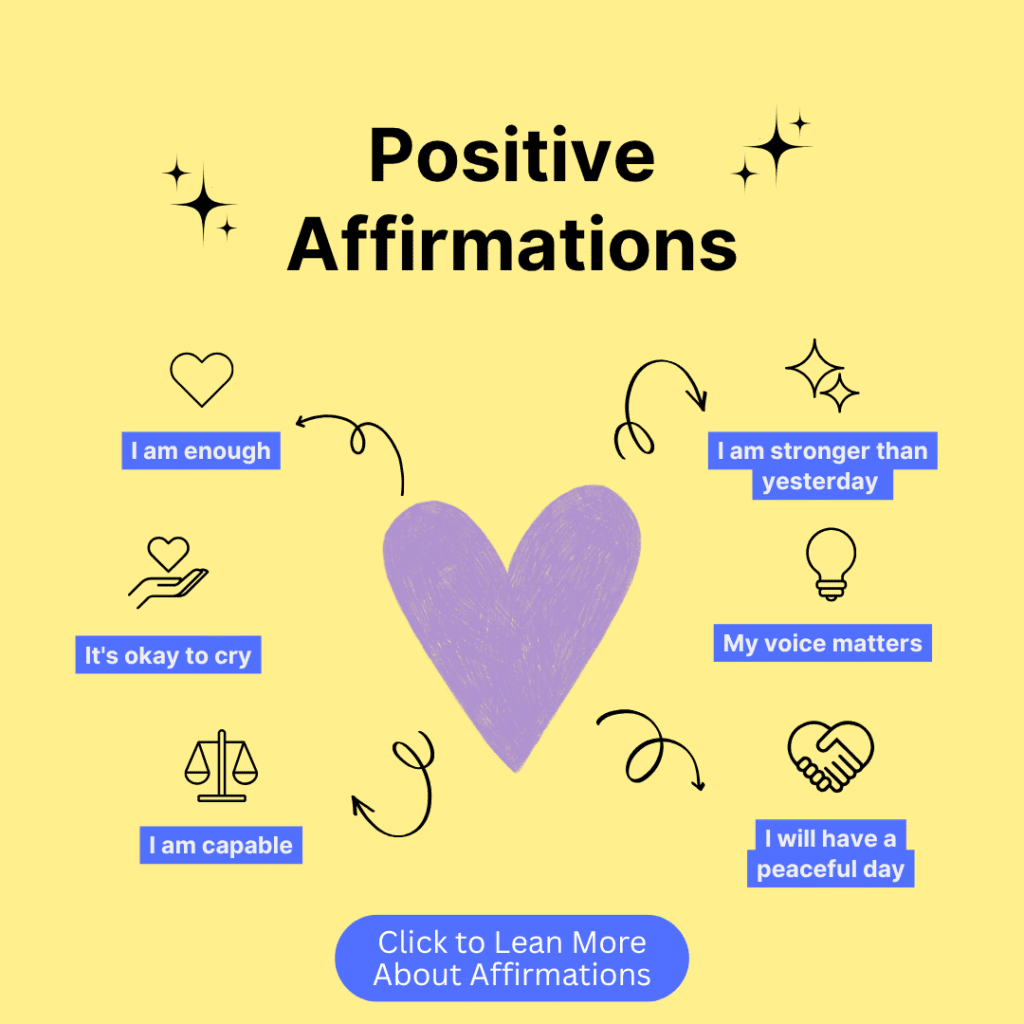
For more on the science behind affirmations and mental health, see this Psychology Today article.
Credit: aapsychiatry.com
How To Measure Affirmation Impact
Tracking progress helps you see if affirmations are working. Here are ways to measure impact:
- Keep a journal
Write your affirmations and note changes in mood or behavior.
- Use mood trackers
Apps can help you see patterns over time.
- Ask for feedback
Friends or family can notice changes you may miss.
If you don’t see results, adjust your list. Try fewer or more affirmations, or change the wording.
Adjusting Your Affirmation Practice
It’s normal to change your affirmation routine over time. Here’s how to adjust:
- Remove affirmations that feel weak or meaningless.
- Add new affirmations for changing goals.
- Test different numbers to find your balance.
- Revisit your list monthly.
If you feel overwhelmed, go back to one strong affirmation. If you want more coverage, add one at a time.
Frequently Asked Questions
How Many Daily Affirmations Are Best For Beginners?
Most beginners start with three to five affirmations. This number is easy to remember and covers main goals. If you’re new, start small and add more if needed.
Can I Use Only One Affirmation Every Day?
Yes, one affirmation is fine, especially if you want strong focus or have little time. Make sure it fits your main goal and feels meaningful.
What If I Forget My Affirmations?
If you forget, try writing them down, setting phone reminders, or placing sticky notes. Consistency is key. If you often forget, reduce your list to one or two.
Do Affirmations Work For Everyone?
Affirmations can help most people, but results vary. Some need time to see changes. If you don’t feel improvement, try changing your affirmations or adding action steps.
Should I Change My Affirmations Regularly?
You can change affirmations as your goals shift. Rotating every month keeps your practice fresh. But don’t change too often—give each affirmation time to work.
Daily affirmations are a powerful tool for building a positive mindset. The number you use matters, but there’s no single answer. Most people find that three to five affirmations fit their daily routine and cover their main goals. If you’re busy or want strong focus, start with one.
If you have more time or goals, try up to ten—but make sure each statement is clear and meaningful.
Remember, quality matters more than quantity. Personalize your affirmations, repeat them daily, and adjust as your life changes. Over time, you’ll find the right balance that fits your needs and helps you grow.
