

Does Saying Positive Affirmation Work: Truth Behind the Practice
Does Saying Positive Affirmation Work
Feeling stuck in negative thinking can make everyday life much harder. Many people look for ways to feel better, gain confidence, and change their mindset. One popular method is saying positive affirmations. But does repeating positive statements actually work? Or is it just wishful thinking? You might have seen people on social media, in books, or even in therapy sessions, talking about the power of affirmations. Some call it life-changing, while others say it’s just a trend. To understand if positive affirmations are worth your time, let’s explore what they are, how they work, the science behind them, and what real results you can expect.
What Are Positive Affirmations?
Positive affirmations are simple, powerful statements you say to yourself, often out loud or in your mind. The goal is to change negative thoughts, encourage self-belief, and build a better mindset. For example, instead of thinking, “I always fail,” you might say, “I am capable and can succeed.” These statements are usually short, present-tense, and focus on what you want to believe or achieve.
People use affirmations for many reasons:
- Boosting self-esteem
- Reducing stress
- Increasing motivation
- Improving mood
- Supporting mental health
Affirmations are often used with meditation, visualization, or before challenging tasks. Many athletes, performers, and business leaders use them to prepare for important moments.
The Origins And Popularity Of Positive Affirmations
The concept of using positive statements is not new. Ancient philosophies and spiritual traditions have encouraged using words to shape reality. However, the modern idea of affirmations became more popular through self-help books and psychology.
Books like “You Can Heal Your Life” and “The Power of Positive Thinking” brought affirmations into the spotlight. Today, they are everywhere—from therapy offices to classroom walls, and even smartphone apps. Social media has made affirmations more visible, with millions of posts sharing daily mantras and positive quotes.

Credit: www.cultureally.com
How Do Positive Affirmations Work?
The idea behind affirmations is based on the belief that our thoughts shape our feelings and actions. If you often think negative things about yourself, you are more likely to feel sad, anxious, or unmotivated. Changing these thoughts can help change how you feel and behave.
Here’s how affirmations are supposed to work:
- Rewiring the brain: Repeating positive statements can help build new thought patterns. This process is known as neuroplasticity—the brain’s ability to change and adapt.
- Reducing negative self-talk: Affirmations can help you notice and challenge negative thoughts, replacing them with healthier ones.
- Focusing attention: When you repeat affirmations, you focus on what you want, making it more likely you will notice opportunities and take action.
- Boosting self-confidence: Telling yourself good things can improve how you see yourself, which affects your decisions and behaviors.
But does it really change your brain or just make you feel better for a moment? Let’s look at the science.
What Does The Science Say About Positive Affirmations?
Research on positive affirmations is growing. Some studies show real benefits, while others find little or no effect, especially for people who struggle with low self-esteem. Here are some important findings:
Affirmations And The Brain
Brain imaging studies show that saying self-affirming statements can activate parts of the brain linked to self-worth and reward. For example, one study found that people who practiced affirmations showed greater activity in the ventromedial prefrontal cortex, a region involved in processing self-related information.
Effects On Stress And Performance
A number of experiments show that affirmations can reduce stress in challenging situations. For example, students who used affirmations before tests felt less anxious and performed better. In the workplace, employees who practiced affirmations reported higher motivation and resilience when facing setbacks.
Limitations And Criticisms
However, not all research is positive. In some cases, people with very low self-esteem feel worse after saying affirmations that feel untrue. For example, saying “I am lovable” when you deeply believe you are not can create mental discomfort, known as cognitive dissonance.
A well-known experiment found that, for some people, positive affirmations may highlight the gap between their current beliefs and what they want to believe, making them feel even less confident. So, context and how you use affirmations really matter.
Types Of Positive Affirmations
Affirmations can be tailored to fit different needs and situations. Here are some common types:
- Self-esteem affirmations: “I am worthy of love and respect.”
- Motivation affirmations: “I am focused and determined.”
- Stress reduction affirmations: “I am calm and in control.”
- Health affirmations: “My body is healthy and strong.”
- Career affirmations: “I am successful in my career.”
The key is to choose statements that feel meaningful and believable to you.
Real-life Examples Of Affirmations In Action
Many people, from celebrities to everyday individuals, have shared how affirmations helped them overcome challenges. For example, some athletes use affirmations to boost performance before big competitions. A famous tennis player once shared that repeating “I am strong, I am ready” before matches helped her stay focused and reduce nerves.
In workplaces, leaders have used affirmations to encourage team confidence and build a positive culture. Teachers sometimes use affirmations with students to help them develop a growth mindset, leading to better learning outcomes.
How To Create Effective Positive Affirmations
If you want to try affirmations, making them work for you is important. Here are practical tips:
- Use the present tense. Say, “I am confident,” not “I will be confident.”
- Keep them short and specific. Simple statements are easier to remember and repeat.
- Make them personal. Use words like “I” or “my.”
- Be realistic. Choose statements that you can believe or at least partially accept.
- Focus on the positive. Avoid negative words, even when talking about what you want to avoid.
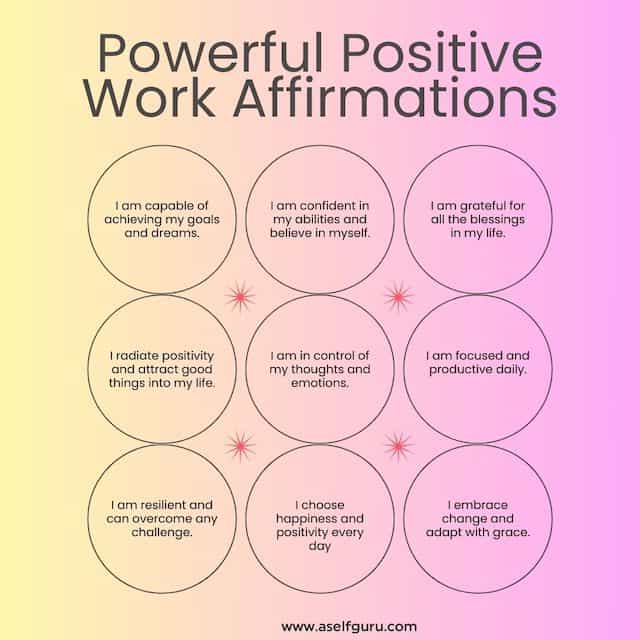
Here are some sample affirmations:
- “I am learning and growing every day.”
- “I trust myself to make good decisions.”
- “I am calm and centered, even in stressful times.”
Best Times And Ways To Practice Affirmations
When and how you practice affirmations can affect their impact. Here are some good times and methods to try:
- Morning routine: Start your day with affirmations to set a positive tone.
- Before stressful events: Use affirmations to prepare for exams, interviews, or meetings.
- During meditation: Combine affirmations with deep breathing or mindfulness.
- Writing: Write affirmations in a journal to reinforce them.
- Mirror work: Say affirmations while looking at yourself in the mirror. This can make the words feel more real.
The most important thing is consistency. Repeating affirmations regularly, even for a few minutes each day, can help build new thought habits.
Comparing Affirmations To Other Self-help Tools
People often wonder if affirmations work better than other methods for improving mindset. Here’s a comparison with some common self-improvement tools:
| Method | Main Focus | Best For | Limitations |
|---|---|---|---|
| Affirmations | Positive self-talk | Boosting confidence, mindset shifts | Less effective if deeply untrue |
| Visualization | Imagining success | Performance, achieving goals | Needs strong imagination skills |
| Journaling | Reflecting on thoughts | Self-discovery, processing emotions | Time-consuming |
| Meditation | Calming the mind | Reducing stress, clarity | Requires practice |
Affirmations can be a helpful part of a bigger self-care plan. Some people combine them with other methods for best results.
The Psychology Behind Why Affirmations Can Work
Understanding why affirmations help some people reveals interesting psychological effects:
- Self-affirmation theory: This theory suggests that when people face threats to their self-image, affirming their values helps protect their sense of self-worth.
- Cognitive restructuring: Affirmations can help challenge and change negative thinking patterns, a key part of cognitive behavioral therapy.
- Selective attention: Affirmations encourage you to focus on positive information, making you more likely to notice good things and opportunities.
For example, if you repeat, “I am open to new opportunities,” you may start noticing chances for growth that you missed before.
Common Mistakes When Using Affirmations
Not all affirmations work the same for everyone. Here are some common mistakes that reduce their effectiveness:
- Choosing statements you don’t believe: If your mind rejects the affirmation, it may backfire.
- Expecting instant results: Affirmations need time and repetition to change thought patterns.
- Ignoring deeper issues: Affirmations can help, but they are not a cure-all for serious mental health problems.
- Being inconsistent: Skipping days or only saying affirmations during crises limits their power.
- Using vague statements: “I am great” is less effective than “I am skilled at solving problems.”
Making Affirmations Work For You: Practical Advice
Here are some expert-backed tips to get the most from affirmations:
- Start small: If big statements feel false, try softer versions. For example, “I am learning to accept myself.”
- Pair with action: Use affirmations as motivation to take real steps toward your goals.
- Track your progress: Notice how you feel over time. Keep a journal of your experiences.
- Seek support: Share your affirmations with a trusted friend or group for encouragement.
- Adjust as needed: Change your affirmations if they no longer fit your needs or feel helpful.
Data And Research: What Studies Reveal
To understand the real impact of positive affirmations, let’s look at some key research findings.
| Study Focus | Participants | Main Outcome | Key Result |
|---|---|---|---|
| Self-affirmation and stress | College students | Stress during exams | Lower stress and better performance |
| Affirmations and self-esteem | Adults with low self-esteem | Self-worth feelings | No improvement, sometimes felt worse |
| Workplace motivation | Office employees | Motivation at work | Higher motivation reported |
| Health behaviors | Smokers trying to quit | Staying smoke-free | More likely to succeed with affirmations |
These studies show that affirmations often help in situations where people already have some belief in the statement or are open to change. They may not help if the statement feels too different from your current beliefs.
Non-obvious Insights Beginners Usually Miss
- The power of personalization: Many beginners copy affirmations from the internet without adjusting them. Affirmations are most effective when they reflect your real goals and feelings. For example, “I am becoming more organized each day” is better than a generic “I am perfect.”
- Small changes create bigger impact: If big affirmations feel uncomfortable, use smaller, more believable ones. For instance, “I am open to learning new skills” can be easier to accept than “I am the best at my job.” Over time, these smaller steps build up.
When Affirmations May Not Be Enough
Sometimes, positive affirmations are not the answer. If you are struggling with serious mental health issues such as depression or anxiety, affirmations alone will not solve the problem. In these cases, professional help from a counselor or therapist is needed.
Affirmations can still play a supporting role, but they should not replace medical advice or treatment.
Are Affirmations The Same As Lying To Yourself?
A common concern is that affirmations might feel like lying. But the key difference is intention. Affirmations are not about denying problems—they are about encouraging a more positive focus. The goal is to create a mindset that helps you grow, not to ignore reality. If an affirmation feels too far from the truth, soften it or focus on progress: “I am learning to believe in myself.”
How Long Does It Take To See Results?
There’s no fixed timeline for when affirmations start working. Some people notice changes in a few days; for others, it can take weeks or months. The most important factors are consistency, choosing the right affirmations, and pairing them with real-life action.
A helpful tip: Track your mood and thoughts over time. This can help you see subtle improvements you might otherwise miss.
Success Stories: Affirmations In Real Life
Many people share stories of how affirmations helped them:
- A student who struggled with test anxiety started saying, “I am prepared and can do my best.” Over time, they felt less nervous and scored higher.
- A business owner faced with setbacks repeated, “Every challenge is a chance to grow.” This helped her stay motivated and find solutions.
- An athlete recovering from injury used, “My body is healing and getting stronger every day,” which kept him focused on recovery instead of frustration.
While these stories are inspiring, it’s important to remember that affirmations were part of a bigger plan. These people also studied, worked hard, or followed physical therapy. Affirmations supported their efforts, but did not do all the work alone.
Debunking Myths About Positive Affirmations
Let’s clear up some common myths:
- “Affirmations are magic.” They are helpful, but not magical. They work best alongside real effort.
- “Everyone should use the same affirmations.” Personalized affirmations fit better and feel more authentic.
- “If affirmations don’t work, you’re not trying hard enough.” Sometimes, other issues need attention, and that’s okay.
- “Affirmations erase all negative thoughts.” They help you manage negativity, but ups and downs are normal.
The Role Of Affirmations In Mental Health And Therapy
Many therapists use affirmations as a tool in cognitive behavioral therapy (CBT). They help clients challenge harmful thoughts and build self-acceptance. However, therapists usually guide people to create affirmations that feel realistic and supportive, rather than forced or false.
In group therapy or support groups, affirmations can create a sense of hope and community. For people recovering from trauma or addiction, affirmations remind them of their strengths and progress.
Credit: psychcentral.com
Integrating Affirmations Into Daily Life
Making affirmations a habit is key to seeing benefits. Here are some creative ways to include them in your routine:
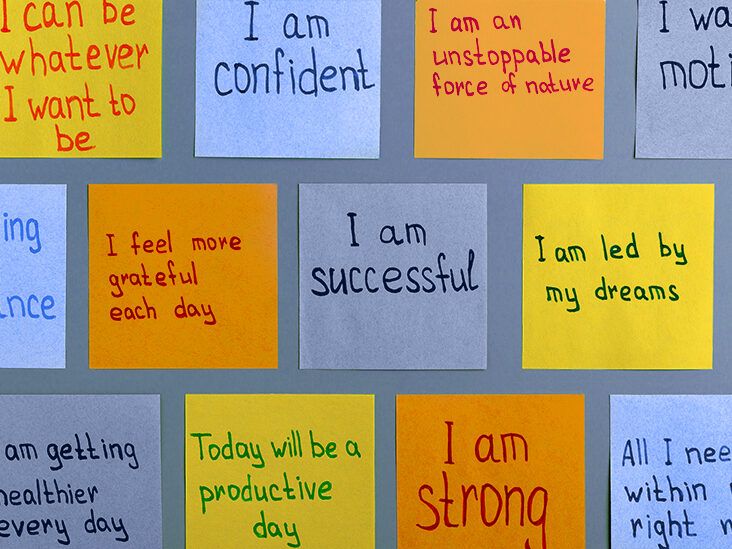
- Sticky notes: Place affirmation notes on your mirror, desk, or fridge.
- Phone reminders: Set daily reminders with your favorite affirmation.
- Art and decoration: Create art or use digital wallpapers with affirmations.
- Affirmation buddy: Share and repeat affirmations with a friend for accountability.
Even a few seconds each day can help keep your mindset positive.
When To Rethink Or Change Your Affirmations
It’s normal for your needs to change over time. If an affirmation no longer feels helpful, update it. For example, once you feel more confident in one area, shift your focus to a new goal. Review your affirmations regularly to keep them fresh and meaningful.
What Experts Say About Positive Affirmations
Many psychologists see value in affirmations as part of a bigger mental health plan. According to research shared by the Wikipedia: Self-affirmation, affirmations can support self-worth and resilience, especially during stress. However, they work best when combined with honest self-reflection and real effort.
Some experts warn against using affirmations as a way to avoid dealing with real problems. If you notice that saying affirmations is making you ignore important issues, it may be time to seek extra help or try a new approach.
Choosing The Right Affirmations For You
To find the most effective affirmations, ask yourself:
- What do I want to feel or achieve?
- Which negative thoughts do I want to change?
- What statements feel true or possible for me right now?
Try out different affirmations and pay attention to your feelings. If one feels uncomfortable, adjust it until it fits. Remember, the goal is progress, not perfection.
Summary Table: Do Affirmations Work?
Here’s a quick summary to help you decide if affirmations fit your needs:
| Situation | Affirmations Help? | Best Approach |
|---|---|---|
| Boosting motivation | Often yes | Personalized, action-focused affirmations |
| Managing stress | Yes, especially before challenges | Combine with breathing or mindfulness |
| Severe self-doubt | Mixed results | Start small, seek extra support if needed |
| Treating mental health conditions | As a support, not main treatment | Pair with therapy or counseling |
Final Thoughts
So, does saying positive affirmation work? For many, affirmations are a simple, free, and flexible tool to encourage a better mindset. They can help you focus, reduce stress, and build confidence—especially if you choose statements that fit your real needs and repeat them regularly.
But they are not a cure-all. The best results come when you use affirmations with action, self-reflection, and, if needed, professional support. If you’re curious, try adding a few affirmations to your daily routine and see how your mindset shifts over time.
Remember, real change starts with belief, practice, and patience.
Credit: aselfguru.com
Frequently Asked Questions
What Are Positive Affirmations, And How Do I Use Them?
Positive affirmations are short, positive statements you repeat to yourself to encourage a better mindset. Use them by saying them aloud, writing them, or thinking them, usually daily or before important events.
Can Affirmations Replace Therapy Or Medication?
No, affirmations are not a replacement for therapy or medication. They can support your mental health but should not be your only method if you have serious emotional or psychological issues.
How Do I Know If An Affirmation Is Right For Me?
A good affirmation feels believable and meaningful. If it feels uncomfortable or untrue, adjust it to fit your current mindset and goals.
How Often Should I Say My Affirmations?
For best results, repeat affirmations daily—such as in the morning or before bed. Consistency matters more than quantity.
What If Affirmations Make Me Feel Worse?
If affirmations make you feel uncomfortable or highlight negative feelings, try softer statements or consult a mental health professional for guidance. It’s important to use affirmations that feel supportive, not stressful.
