

Does Affirmation Mean: Unlocking the Power of Positive Thinking
Does Affirmation Mean
Many people hear the word “affirmation” and wonder what it really means. Is it just a positive phrase? Is it a way to feel better about yourself? Or does it have a deeper meaning? The answer is not simple. The word “affirmation” is used in many areas—psychology, law, daily conversations, even in spiritual practice.
But no matter where you see it, affirmation always connects to the idea of confirming or declaring something as true.
This article will help you understand what affirmation means in different contexts. You’ll see how affirmations are used, why they matter, and how they can change thinking, behavior, and even legal outcomes. You’ll also learn about common myths, practical examples, and scientific research.
By the end, the meaning of “affirmation” will feel clear, practical, and relevant for your life.
The Core Meaning Of Affirmation
At its most basic, affirmation means saying or showing that something is true. The word comes from the Latin “affirmare,” which means to strengthen or make steady. In English, it can be both a noun (“an affirmation”) and a verb (“to affirm”).
Key Elements Of Affirmation
- Declaration of truth: An affirmation is a clear statement that claims something is true.
- Positive intent: Most affirmations are positive, but not always. The focus is on confirming, not just wishing.
- Strengthening belief: Affirmations aim to reinforce or support an idea, a feeling, or a position.
For example, saying “I am capable” is an affirmation because it declares a belief about yourself. Telling a friend “I believe in you” is also an affirmation, because you are confirming your trust in their abilities.
Affirmation In Everyday Language
In daily speech, affirmation usually means expressing support, agreement, or encouragement. It’s more than just saying nice words; it’s about making someone feel seen and valued.
Examples In Conversation
- Personal encouragement: “You did a great job.” This affirms someone’s effort.
- Support: “I trust your decision.” This affirms someone’s judgment.
- Identity: “I am learning every day.” This affirms your own growth.
When you give or receive affirmations in conversation, you strengthen relationships. People who feel affirmed are more likely to feel confident and motivated.
Why Affirmations Matter Socially
Affirmations are not just about being polite. They create a positive atmosphere. In groups, affirmation can:
- Build trust
- Reduce conflict
- Encourage honest sharing
A simple affirmation can change someone’s day. For example, a teacher telling a student “I notice how hard you’re working” can boost motivation and self-esteem.

Credit: www.aamc.org
Psychological Meaning Of Affirmation
In psychology, affirmation has a deeper role. It’s not just about positive thinking—it’s about shaping beliefs, emotions, and even the brain.
Self-affirmation Theory
Self-affirmation theory was developed to explain how people deal with threats to their self-worth. According to this idea, when people feel threatened or criticized, affirming their values or strengths helps them cope.
For example, if you fail a test, you might remind yourself, “I am a caring friend. ” This affirmation supports your self-image, even if your academic performance was disappointing.
How Affirmations Affect The Brain
Research shows that positive affirmations can:
- Activate reward centers in the brain
- Lower stress levels
- Improve problem-solving under pressure
One study found that people who practiced self-affirmation before a stressful task performed better and felt less anxious.
Common Myths
- Myth: Affirmations are just wishful thinking.
- Reality: For affirmations to work, you must believe or want to believe them.
- Myth: Saying anything positive will help.
- Reality: Repeating unrealistic affirmations can backfire and lower self-esteem.
Practical Psychological Benefits
Regular, meaningful affirmations can:
- Increase resilience
- Support mental health recovery
- Help manage anxiety and depression
However, affirmations are not a replacement for therapy or medical care when needed.
Affirmations In Personal Development
Many people use affirmations as a tool for growth and change. They write, speak, or think affirmations to shape their mindset and habits.
How To Create Effective Affirmations
- Be specific: “I am improving my public speaking” is better than “I am great.”
- Use present tense: Say “I am,” not “I will be.”
- Make it believable: Choose affirmations that feel possible.
- Focus on growth: Highlight progress, not perfection.
Examples For Different Goals
- Confidence: “I handle new situations with calm and care.”
- Productivity: “I complete my tasks step by step.”
- Relationships: “I listen with patience and respect.”
Common Mistakes
- Picking affirmations that are too far from reality. For example, saying “I am a millionaire” when you struggle financially can feel fake and create stress.
- Using negative language, like “I am not afraid.” The mind focuses on the word “afraid.” Instead, say “I am calm and brave.”
Success Stories
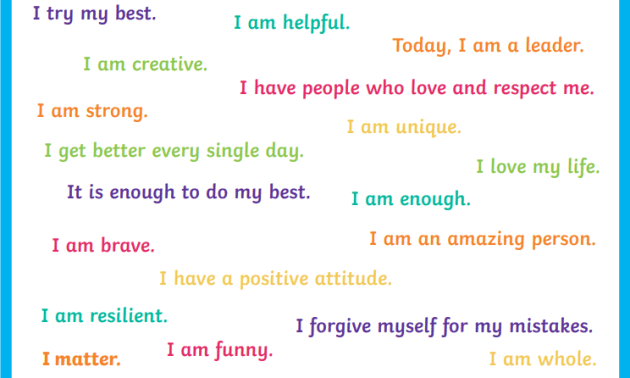
Many successful people use affirmations. Athletes, public speakers, and leaders often visualize and affirm their strengths before challenges. For example, a famous tennis player might repeat, “I am focused and strong” before a match.
Credit: www.twinkl.com
Affirmation In Legal Context
In law, affirmation has a special meaning. It is a formal, serious statement that something is true, often used in court or legal documents.
Affirmation Vs. Oath
In legal settings, people may be asked to “swear an oath” or “make an affirmation. ” Both are promises to tell the truth, but an oath is usually religious, while an affirmation is not.
| Aspect | Oath | Affirmation |
|---|---|---|
| Reference | Includes God or a holy book | Solemn promise without religion |
| Usage | People with religious beliefs | People who prefer secular language |
| Legal effect | Same as affirmation | Same as oath |
Why Choose An Affirmation?
Some people choose affirmation for personal or religious reasons. For example, someone who is not religious might prefer to “affirm” rather than “swear an oath. ” Both are legally binding.
Other Legal Uses
- Affidavits: Written statements confirmed by affirmation.
- Declarations: Affirming the truth of information in official forms.
- Testimony: Witnesses in court can make an affirmation before giving evidence.
Impact Of False Affirmation
Giving a false affirmation in legal settings is a crime, just like lying under oath. It can lead to fines or jail time, depending on the case.
Affirmation In Spiritual And Religious Contexts
Affirmation also plays a role in many spiritual and religious practices. Here, it is about connecting with deeper values, faith, or the universe.
Affirmation As Prayer Or Meditation
Some traditions use affirmation as a form of prayer or meditation. For example, repeating “I am at peace” can be part of a spiritual routine to calm the mind and spirit.
Affirmation In Sacred Texts
Many religious texts include affirmations. For example, “I am fearfully and wonderfully made” is a phrase from a well-known sacred book. These affirmations remind believers of their value and purpose.
Affirmation And Manifestation
In some spiritual systems, affirmations are used to “manifest” or attract what you desire. The idea is that repeating positive statements can bring change in your life.
Insights And Cautions
- Affirmations can be uplifting, but they are not magic. Action is also needed.
- In spiritual communities, affirmations are often shared as group practice to build unity.

Credit: 7esl.com
Affirmation In Education
Teachers and schools use affirmation to help students learn and grow. Positive statements can shape how children see themselves and their abilities.
How Teachers Use Affirmation
- Giving feedback: “You showed creativity in your project.”
- Encouraging effort: “I see you trying your best.”
- Building identity: “You are a responsible class member.”
The Power Of Affirmation For Students
When students hear affirmations, they:
- Feel more confident
- Take healthy risks in learning
- Are less afraid of making mistakes
Data On Affirmation In Schools
Studies show that students who receive regular positive affirmation from teachers have higher motivation and better grades. Teachers report fewer behavior problems when affirmation is part of classroom culture.
Affirmation For Different Ages
Young children respond well to simple, direct affirmations. Teenagers may prefer affirmations focused on independence or choice, such as “You are capable of making good decisions. ”
Scientific Evidence For Affirmations
People often wonder if affirmations really work or if they are just a trend. Science offers some answers, but also points out limits.
Research Highlights
- Brain scans show that self-affirmation activates areas linked to reward and self-control.
- Short, daily affirmation practice reduces stress markers in the body.
- Affirmations work best when they match a person’s values and are believable.
When Affirmations Help
- Before stressful events, like exams or interviews
- When building new habits
- During recovery from setbacks
When Affirmations Fall Short
Affirmations do not work well if:
- The person does not believe the statement at all
- The affirmation is vague or unrealistic
- Used as a substitute for real action
Comparing Affirmation With Other Tools
| Method | Main Focus | Best For | Limitations |
|---|---|---|---|
| Affirmation | Positive self-statement | Building confidence, reducing stress | Needs belief, not a quick fix |
| Visualization | Imagining success | Sports, performance | Needs practice, may not suit all |
| Goal Setting | Clear targets | Long-term achievement | Can cause pressure, needs follow-up |
Non-obvious Insights
- Affirmations can lose power if overused without reflection. It’s better to use a few meaningful affirmations than many empty ones.
- People with low self-esteem may need to start with gentle affirmations they can accept, rather than bold statements.
Affirmation In Business And Leadership
Affirmations are not just for personal life—they also matter at work. Leaders use affirmation to inspire teams, and companies use it to shape culture.
How Leaders Use Affirmation
- Praising effort, not just results: “I appreciate your dedication to this project.”
- Affirming values: “Integrity is our guiding principle.”
- Encouraging innovation: “Your ideas are valuable to our mission.”
Benefits For Employees
When workers feel affirmed, they:
- Show more engagement
- Are less likely to quit
- Collaborate better with others
Affirmation And Company Culture
Affirmation helps create a positive work environment. It supports:
- Openness to new ideas
- Resilience in tough times
- A sense of belonging
Mistakes To Avoid
- Using affirmation as empty praise. It must be specific and sincere.
- Ignoring failures. Affirmation works best when combined with honest feedback.
Affirmation In Relationships
In close relationships—family, friends, partners—affirmation is essential. It helps build trust and emotional safety.
Forms Of Affirmation In Relationships
- Expressing appreciation: “Thank you for being supportive.”
- Confirming love or friendship: “I care about you.”
- Noticing growth: “I see how much you’ve learned.”
Effects Of Regular Affirmation
- Stronger bonds
- More honest communication
- Less conflict
Affirmation For Conflict Resolution
During arguments, affirming your respect for the other person can calm tensions. For example, “I respect your opinion even if I disagree. ”
Cultural Differences
Some cultures value direct affirmation, while others use actions more than words. It’s important to understand what affirmation looks like in different backgrounds.
Practical Steps For Using Affirmations
Knowing what affirmation means is not enough. It’s important to know how to use it in real life.
Steps To Start Using Affirmations
- Choose one or two areas you want to grow in.
- Write a clear, positive statement about that area.
- Repeat the affirmation daily, with intention.
- Notice how you feel and adjust if needed.
- Take action that matches your affirmation.
Tips For Lasting Success
- Say affirmations out loud for more effect.
- Write them where you’ll see them—on your mirror, notebook, or phone.
- Link affirmations to routines, like brushing your teeth or before meetings.
Examples For Daily Life
- Before work: “I bring value to my team.”
- When stressed: “I am calm and centered.”
- Before bed: “I am grateful for today’s progress.”
Pitfalls To Watch For
- Forcing yourself to believe something you don’t.
- Using too many affirmations at once.
- Forgetting to take real steps toward your goal.
Comparing Affirmation Across Contexts
To see how affirmation changes meaning in different fields, here’s a comparison:
| Context | Main Use | Key Outcome | Example |
|---|---|---|---|
| Personal Growth | Build self-belief | More confidence | “I am learning each day.” |
| Legal | Confirm truth | Legal validity | Affirming a statement in court |
| Education | Encourage students | Higher motivation | “You tried your best.” |
| Spirituality | Connect to values or faith | Inner peace | “I am grateful.” |
| Relationships | Show appreciation | Closer bonds | “I value our time together.” |
Common Questions And Misunderstandings
Many people get confused by affirmation because the word is used in so many ways. Here are two insights that beginners often miss:
- Affirmation is not always positive. In law, you can affirm a negative fact, such as “I have no knowledge of this event.”
- Affirmation is not magic. Saying words alone does not change life. Belief, emotion, and action are needed for real change.
Frequently Asked Questions
What Is The Difference Between Affirmation And Confirmation?
Affirmation is a positive statement declaring something is true, often to build belief or support someone. Confirmation is usually about checking or verifying a fact. For example, saying “I am confident” is an affirmation. Getting a code to confirm your email is a confirmation.
Can Affirmations Help With Anxiety Or Stress?
Yes, affirmations can help lower stress and anxiety, especially if you use statements you believe or want to believe. For example, saying “I can handle challenges” before a stressful meeting can reduce worry. However, affirmations work best when combined with healthy habits, not as the only solution.
Are Affirmations Supported By Science?
There is scientific research showing that affirmations can activate positive brain areas, lower stress, and support behavior change. But not all affirmations work for everyone. The most effective affirmations match your values and are realistic. For more detail, you can read research on self-affirmation theory.
How Often Should I Use Affirmations?
You can use affirmations daily, but quality is more important than quantity. Start with one or two affirmations that matter to you. Repeat them with focus, not just as a habit. Over time, you can add more or adjust them as your goals change.
What Are Common Mistakes When Using Affirmations?
Common mistakes include picking affirmations that are too extreme or unrealistic, using too many at once, or not connecting the statement to action. Affirmations should feel meaningful and believable. It’s also important to support your affirmations with real steps toward your goals.
Affirmation, in all its forms, is about declaring and supporting truth—whether for yourself, for others, or in society. Used wisely, it can build confidence, honesty, and connection in every area of life.
