

Do Morning Affirmations Work? Discover the Real Benefits
Do Morning Affirmations Work
Most people have heard about morning affirmations. Maybe you have seen videos, read articles, or heard someone say, "Start your day with positive affirmations." But do these simple statements really change your day, your mood, or even your life? Or are they just empty words that people repeat without real impact? This article explores if morning affirmations work, how they affect your mind and body, what science says, and how you can use them to improve your daily life. If you are curious, skeptical, or simply want to understand affirmations better, keep reading. You will find clear explanations, practical examples, data, and answers to common questions.
What Are Morning Affirmations?
Morning affirmations are positive statements you say to yourself after waking up. The purpose is to set your mindset for the day. People use affirmations to boost confidence, reduce stress, improve motivation, and create a sense of control. Examples include:
- "I am strong and capable."
- "Today will be a good day."
- "I can handle anything that comes my way."
You can speak them out loud, write them down, or even repeat them silently. Some people use a mirror, while others write in a journal or use phone apps.
How Affirmations Work
Affirmations aim to change your self-talk. Self-talk is the inner voice that comments on your actions and feelings. Negative self-talk can make you feel anxious or insecure. Positive self-talk, shaped by affirmations, can help you feel more confident and hopeful. When you repeat affirmations, your brain starts to accept these ideas as true, especially if you believe in them.
Types Of Morning Affirmations
There are many kinds of affirmations people use in the morning:
- Self-confidence: "I believe in myself."
- Stress reduction: "I am calm and relaxed."
- Motivation: "I am ready for new challenges."
- Gratitude: "I am thankful for my life."
- Health: "My body is healthy and strong."
You can choose or create affirmations that match your personal goals and needs.
The Science Behind Morning Affirmations
Many people want evidence before they try something new. So, does science support the practice of morning affirmations?
Research On Self-affirmation
Studies show that self-affirmation can help reduce stress and improve performance. One experiment found that students who practiced affirmations before tests had less anxiety and performed better. Affirmations can activate areas in the brain related to reward and self-processing. This means affirmations can actually change how you feel and think.
Brain Activity
When you say positive statements, the ventromedial prefrontal cortex (part of your brain) becomes more active. This area is linked to self-reflection and emotional control. Increased activity here can help you manage stress and make better decisions.
Data Table: Brain Impact Of Affirmations
Here is a summary of how affirmations affect brain activity:
| Brain Area | Function | Effect of Affirmations |
|---|---|---|
| Ventromedial Prefrontal Cortex | Self-reflection, emotional control | Increased activity, better mood |
| Anterior Cingulate Cortex | Decision-making | Improved focus, less anxiety |
| Reward Pathways | Motivation, pleasure | Higher motivation, positive feelings |
Real-life Example
Imagine two people: one starts each day saying, "I am confident," while the other never uses affirmations. After several weeks, the first person notices they feel less nervous before meetings. They handle stress better and make more positive choices. This happens because their brain gets used to the positive self-talk, making it easier to believe in themselves.
Benefits Of Morning Affirmations
Morning affirmations can offer several benefits if used correctly. Here are some key advantages:
1. Improved Mood
Starting your day with positive statements helps set a good mood. When you focus on positive thoughts, your brain releases dopamine, which makes you feel happier. This can help you face challenges with a better attitude.
2. Increased Confidence
Affirmations build self-confidence. When you remind yourself of your strengths, you start to believe in them. This belief grows stronger every time you repeat your affirmation.
3. Reduced Stress
Saying calm, positive statements can lower stress levels. When you start your day feeling calm, you are less likely to get upset by minor problems.
4. Better Focus
Morning affirmations help you focus on your goals. For example, saying "I am focused and ready" before work can help you stay on track throughout the day.
5. Healthier Habits
People who use affirmations often make healthier choices. They may eat better, exercise more, or sleep well because they believe in their ability to take care of themselves.
Comparison Table: Benefits Of Morning Affirmations Vs No Affirmations
| Benefit | With Morning Affirmations | Without Affirmations |
|---|---|---|
| Mood | Positive, hopeful | Neutral or negative |
| Confidence | Higher, stronger | Lower, uncertain |
| Stress | Reduced, manageable | High, difficult |
| Focus | Clear, goal-driven | Scattered, distracted |
| Habits | Healthier, positive | Less healthy, negative |
Common Myths About Morning Affirmations
Some people believe affirmations are useless, while others expect them to solve all their problems. Let’s clear up some common myths.
Myth 1: Affirmations Are Magic
Affirmations are not magic. They do not change your life instantly. You need to repeat them, believe in them, and use them as part of a healthy routine.
Myth 2: Anyone Can Use Any Affirmation
Not all affirmations work for everyone. If you use statements that feel false or unrealistic, your brain may reject them. Choose affirmations that match your values and goals.
Myth 3: Affirmations Replace Action
Affirmations alone will not help if you do not take action. You still need to work toward your goals, solve problems, and make positive choices.
Myth 4: Affirmations Are Only For Positive People
Anyone can use affirmations, even if you feel negative or anxious. In fact, people struggling with stress may benefit most from positive self-talk.
How To Use Morning Affirmations Effectively
If you want to try morning affirmations, it is important to use them the right way. Here are practical steps and tips.
Step 1: Choose Your Affirmations
Pick statements that feel true, realistic, and match your goals. Avoid phrases that sound fake or too extreme.
Examples:
- "I am learning and growing every day."
- "I handle challenges with strength."
- "I am worthy of respect."
Step 2: Make It A Routine
Repeat your affirmations every morning. You can say them while brushing your teeth, getting dressed, or eating breakfast. Consistency is key.
Step 3: Use Visual Aids
Write your affirmations on sticky notes and place them where you will see them, like your mirror or fridge. You can also use phone reminders or journal entries.
Step 4: Believe In Your Words
Try to feel the meaning of your affirmations. If you just repeat words without emotion, they may not work as well. Imagine the truth of your statement.
Step 5: Adjust As Needed
Change your affirmations if they stop working or do not feel right. It is normal to update them as your goals change.
Practical Tips
- Start with 2–3 affirmations, not too many.
- Focus on one goal at a time.
- Be patient; it can take weeks to notice changes.
- Combine affirmations with deep breathing or meditation.
Real-world Examples And Stories
To understand how morning affirmations work in everyday life, let’s look at real examples.
Example 1: Improving Job Performance
A manager started using the affirmation, "I am a confident leader," every morning. After a month, they reported feeling more comfortable in meetings and making decisions. Their team noticed improved communication and trust.
Example 2: Handling Anxiety
A student used, "I am calm and prepared," before exams. Over time, their anxiety decreased, and their grades improved. They learned to focus on positive thoughts instead of worries.
Example 3: Building Self-esteem
A person struggling with low self-esteem chose, "I am worthy of love and respect. " They repeated it each morning and combined it with journaling. After several weeks, they felt more confident in relationships and at work.
Example 4: Developing Healthy Habits
Someone wanted to exercise regularly. They used, "I am strong and committed to my health. " This affirmation helped them stick to their workout routine and feel proud of their progress.
Challenges And Limitations
While morning affirmations can be helpful, there are challenges and limits to their effectiveness.
Challenge 1: Belief
If you do not believe your affirmation, it may not work. For example, saying "I am rich" when struggling with money can feel false and increase stress.
Challenge 2: Consistency
Affirmations need to be repeated regularly. Skipping days or only using them once may not lead to results.
Challenge 3: Emotional State
If you feel very negative or depressed, affirmations may not be enough. In these cases, it is important to seek support from friends, professionals, or other methods.
Challenge 4: Overuse
Using too many affirmations or focusing only on positive statements can ignore real problems. Balance affirmations with honest self-reflection and action.
Challenge 5: Unrealistic Expectations
Expecting affirmations to solve all problems can lead to disappointment. Use them as one tool, not the only solution.
Comparing Affirmations With Other Morning Routines
Many people include affirmations as part of their morning routine. How do affirmations compare with other practices like meditation, gratitude, or exercise?
Data Table: Morning Routines Comparison
| Routine | Main Benefit | Extra Benefit | Difficulty |
|---|---|---|---|
| Affirmations | Boosts confidence | Improves mood | Easy |
| Meditation | Reduces stress | Improves focus | Moderate |
| Gratitude Practice | Creates positivity | Builds relationships | Easy |
| Exercise | Improves health | Boosts energy | Moderate/Hard |
| Visualization | Clarifies goals | Increases motivation | Moderate |
Affirmations are one of the easiest ways to start your day positively. They require no equipment, little time, and can be combined with other routines.

Credit: www.choosingtherapy.com
Non-obvious Insights About Morning Affirmations
Many articles cover the basics of affirmations. Here are two insights that are often missed by beginners:
Insight 1: Affirmations Work Best When Personalized
Generic affirmations often feel empty. If you personalize your statement—link it to your own goal or challenge—it becomes more powerful. For example, instead of saying, "I am successful," try, "I am improving my skills every day at work. " This makes the affirmation relevant and believable.
Insight 2: Morning Affirmations Can Help You Spot Opportunities
When you repeat affirmations about confidence or growth, you train your mind to notice positive chances during the day. For example, if you say, "I am open to new opportunities," you may pay more attention to job openings, new friendships, or learning chances.
Your mindset becomes more alert to possibilities.
When Morning Affirmations May Not Work
Morning affirmations are not a cure-all. There are times when they may not be helpful:
- If you are facing serious mental health issues, affirmations may not be enough. Professional help is needed.
- If you use affirmations without action, you may not see results.
- If your statements are too vague, they might not affect your mindset.
Morning affirmations are best used as part of a balanced routine with real actions and honest self-reflection.
How Long Does It Take To See Results?
Most people want to know how quickly morning affirmations work. The answer depends on your routine, belief, and situation.
Short-term Effects
Some people notice a mood boost right away. Saying positive words can make you feel better for a few minutes or hours.
Medium-term Effects
With daily practice, you may notice changes in confidence and stress levels after a few weeks.
Long-term Effects
If you use affirmations for months, you can develop stronger habits, better self-esteem, and improved resilience. However, results depend on your effort, belief, and how you combine affirmations with other healthy choices.
Common Mistakes With Morning Affirmations
People new to affirmations often make mistakes. Avoid these to improve your results:
- Using too many affirmations at once. Focus on a few important statements.
- Picking unrealistic or false affirmations. Choose believable statements.
- Forgetting to repeat them daily. Make affirmations a habit.
- Not feeling the emotion behind the words. Engage your feelings.
- Expecting instant changes. Be patient and consistent.
Tips For Making Affirmations More Effective
If you want to get the most from morning affirmations, follow these tips:
- Use the present tense: "I am," not "I will be."
- Keep statements simple and clear.
- Write your affirmations down.
- Say them out loud with confidence.
- Pair them with actions. For example, say, "I am healthy" and then choose a healthy breakfast.
- Reflect on your progress every week.
The Role Of Culture And Background
Affirmations are used in many cultures, but their effectiveness can depend on your background and beliefs. In some cultures, speaking about yourself positively is normal. In others, it may feel strange or uncomfortable.
Cultural Differences
- In Western cultures, self-affirmation is common.
- In some Eastern cultures, group or family affirmations are used, focusing on harmony and respect.
It is important to adapt affirmations to your own cultural values and beliefs.
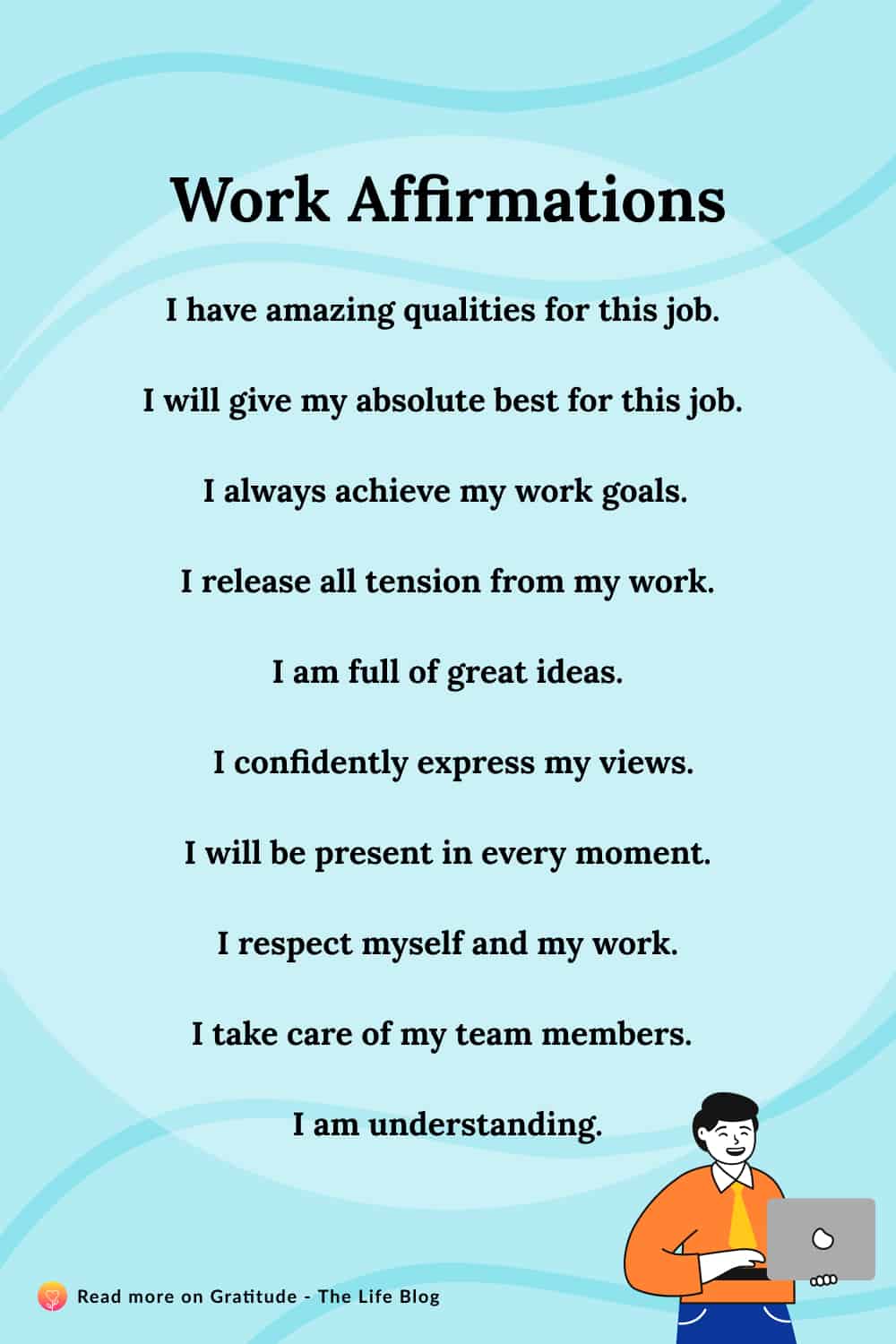
Credit: blog.gratefulness.me
Are Affirmations Good For Children?
Morning affirmations can help children build confidence and handle challenges. Simple statements like "I am brave" or "I can learn new things" are effective. Parents and teachers can use affirmations to support children’s growth and resilience.
Tips For Using Affirmations With Kids
- Use short, simple statements.
- Encourage children to repeat them with feeling.
- Make it a fun routine, like saying affirmations before school.
- Praise progress and celebrate positive changes.
The Role Of Technology In Morning Affirmations
Today, many people use technology to support their affirmation routine. There are apps, websites, and online communities that offer ready-made affirmations, reminders, and tracking tools.
Examples Of Technology Use
- Affirmation apps send daily reminders.
- Online forums share affirmation ideas.
- Voice assistants can play recorded affirmations.
Technology can make affirmations easier to remember and practice, especially for busy people.

Credit: www.kelphr.com
Do Morning Affirmations Work For Everyone?
Most people can benefit from morning affirmations, but results vary. Your mindset, belief, and consistency all affect the outcome. Some people notice big changes, while others feel only small improvements.
Who Benefits Most?
- People facing stress or self-doubt.
- Those starting new challenges or jobs.
- Anyone wanting to improve their mood or habits.
Who May Not See Results?
- People who use affirmations without belief.
- Those who ignore real problems and use affirmations as a distraction.
- People expecting instant results.
Supporting Evidence And Further Reading
If you want to read more about morning affirmations, scientific studies, and expert opinions, check this authoritative resource: Psychology Today. It offers research, expert advice, and practical tips for using affirmations.
Frequently Asked Questions
What Is The Best Time To Use Affirmations?
The best time is in the morning, just after waking up. Your mind is fresh and more open to new ideas. You can also use affirmations during stressful moments or before important events.
How Many Affirmations Should I Use Each Morning?
Start with 2–3 affirmations. Focus on statements that matter most to you. Using too many can be overwhelming and less effective.
Can Morning Affirmations Help With Anxiety?
Yes, affirmations can reduce anxiety by changing negative self-talk into positive thoughts. For strong anxiety, combine affirmations with other methods like breathing exercises or professional support.
What If I Do Not Believe My Affirmation?
If you do not believe your affirmation, adjust it. Use a statement that feels possible. For example, instead of "I am confident," try "I am learning to be confident. "
How Long Does It Take For Morning Affirmations To Show Results?
Most people notice small changes in a few weeks. Full results may take longer, depending on your routine and belief. Stay consistent and patient.
Morning affirmations are simple but powerful tools for improving your day, mood, and mindset. They work best when personalized, used with belief, and combined with real action. While not magic, affirmations can help you build confidence, reduce stress, and create a positive routine.
If you use them wisely, morning affirmations can become a valuable part of your life.
