

Daily Affirmations Benefits: Transform Your Mindset Every Day
Daily Affirmations Benefits
Daily life can feel overwhelming, especially when challenges and doubts appear. Many people search for simple tools to boost confidence and stay positive. One of the most accessible tools is using daily affirmations. These are positive statements that you repeat to yourself, often in the morning or throughout your day. While affirmations sound easy, their true value often goes deeper than expected. Let’s explore how daily affirmations can impact your mind, health, habits, and even your relationships.
What Are Daily Affirmations?
Affirmations are short, positive sentences you say to yourself with belief. For example, “I am capable,” or “I choose to be happy today. ” The goal is to help your mind focus on what you want, not what you fear.
By repeating affirmations regularly, you train your brain to look for the good and expect success.
Many people use affirmations for different reasons. Some want to reduce stress. Others want to grow confidence before a big event. Some seek peace when life feels chaotic. The beauty of affirmations is that anyone can use them, anywhere, at any time.
How Affirmations Affect The Brain
You might wonder how repeating simple phrases could change anything. Science shows that the words we use shape how we think and feel. When you use positive affirmations, your brain starts to build new thought patterns.
Studies using MRI scans have shown that when people practice affirmations, the brain’s reward centers become active. These areas are linked to motivation and positive feelings. Over time, affirmations can help your mind respond with hope instead of worry.
Negative self-talk is common, but affirmations help you notice and change these habits. Instead of thinking, “I always fail,” you replace it with, “I am learning and growing. ” This shift can lower anxiety and improve your mood.
Emotional Benefits Of Daily Affirmations
Building Self-esteem
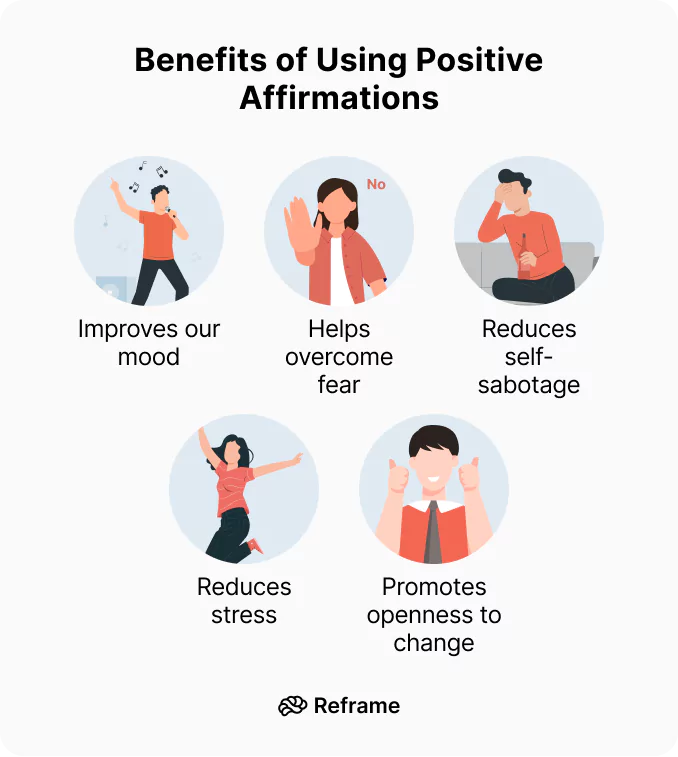
One of the biggest benefits of affirmations is stronger self-esteem. When you tell yourself, “I am worthy,” you start to believe it. Over time, these words build confidence from the inside out. You become more likely to try new things and less afraid of making mistakes.
Reducing Stress And Anxiety
Life is full of pressure. Affirmations like, “I am calm and in control,” can help slow racing thoughts. When you repeat these phrases during stressful times, they act like a mental anchor. Research shows that regular use of affirmations can reduce the stress hormone cortisol, making it easier to stay relaxed.
Encouraging A Positive Outlook
It’s easy to focus on what’s wrong. Affirmations remind you to notice what’s right. Saying, “Good things are coming my way,” helps you expect positive outcomes. This hopeful attitude can improve your resilience and make daily challenges feel smaller.
Physical Benefits Of Daily Affirmations
Better Sleep
Many people struggle with sleep because of stress or negative thoughts. Using affirmations before bed, like, “I will sleep peacefully tonight,” can relax your mind. When your mind is calm, your body can rest more deeply.
Supporting Healthy Habits
Affirmations can also support physical goals. For example, saying, “I make healthy choices,” can help you stick to better habits. Athletes often use affirmations to boost performance or recover from injuries.
Lowering Blood Pressure
Stress and worry can raise blood pressure. By calming the mind with affirmations, you may support a healthier heart. Some studies suggest that positive thinking helps the body recover faster after illness or surgery.
Credit: www.joinreframeapp.com
Social And Relationship Benefits
Improving Communication
When you feel good about yourself, you communicate better. Affirmations like, “I express myself clearly,” can help you speak with confidence. This can improve relationships at work and home.
Building Empathy
Affirmations aren’t just about you. You can use them to remind yourself to listen and care for others. For example, “I treat people with kindness. ” This makes your relationships more supportive and understanding.
Reducing Conflict
By focusing on positive intentions, you may avoid arguments. Affirmations such as, “I choose peace over anger,” can help you respond calmly instead of reacting quickly.
Affirmations And Goal Achievement
Setting goals is one thing. Staying motivated is another. Affirmations keep your attention on what you want to achieve. When you say, “I am making progress every day,” you encourage yourself to keep going, even when results are slow.
Many successful people use affirmations as part of their morning routine. They visualize their goals and repeat positive statements to build motivation. This practice can make it easier to overcome obstacles and stick to your plans.
Scientific Evidence Supporting Affirmations
It’s not just wishful thinking. There’s real science behind daily affirmations. Research published in psychology journals shows that affirmations can:
- Reduce stress responses in the brain
- Improve academic performance
- Support healthier lifestyle choices
For example, one study found that students who practiced self-affirmation before tests performed better than those who didn’t. Another study showed that people trying to quit smoking had more success when they used daily affirmations.
Here’s a quick comparison of how affirmations affect different areas of life:
| Area of Life | Common Challenge | Affirmation Impact |
|---|---|---|
| Confidence | Self-doubt | Builds self-esteem and courage |
| Health | Poor habits | Encourages healthy choices |
| Work | Lack of motivation | Boosts productivity and focus |
| Relationships | Communication issues | Improves empathy and clarity |
How To Create Effective Daily Affirmations
Not all affirmations work the same. To get the best results, make your affirmations:
- Positive: Focus on what you want, not what you fear. Instead of “I am not weak,” say, “I am strong.”
- Personal: Use “I” statements. This makes the affirmation feel real and connected to you.
- Present tense: Speak as if it’s already true. “I am confident,” not “I will be confident.”
- Short and clear: Simple statements are easier to remember and repeat.
- Believable: Choose words you can accept. If “I am amazing” feels too far, try “I am improving every day.”
Here’s an example of crafting a strong affirmation:
- Weak: “I hope to be less stressed.”
- Strong: “I am calm and relaxed.”
Common Mistakes With Affirmations
Many people try affirmations but give up quickly. Here’s why affirmations sometimes fail:
- Lack of belief: If you don’t believe what you say, your mind resists. Start with statements you can accept.
- Inconsistency: Saying an affirmation once won’t change much. Repeat it daily for best results.
- Vague wording: “I want to be happy” is unclear. “I choose happiness today” is direct.
- Ignoring action: Affirmations support action, not replace it. Use them to motivate positive steps.
Daily Affirmations In Practice
Morning Routine
Many people begin their day with affirmations. This sets a positive tone for everything that follows. You can say them out loud, write them in a journal, or even think them quietly during breakfast.
During Stressful Moments
Affirmations are helpful when you feel anxious or frustrated. Take a deep breath and repeat your chosen phrase. This interrupts negative thoughts and reminds you of your strengths.
Before Important Events
Use affirmations before meetings, tests, or big decisions. Statements like, “I am prepared and capable,” can calm nerves and boost focus.
At Bedtime
End your day with gentle affirmations to let go of worries. Try, “I did my best today,” to encourage self-compassion.
Credit: www.thegoodbody.com
Examples Of Powerful Daily Affirmations
To help you get started, here are some effective affirmations for different situations:
- “I trust myself to make good decisions.”
- “I am worthy of love and respect.”
- “I am getting stronger every day.”
- “I let go of what I cannot control.”
- “I am grateful for today’s opportunities.”
- “I welcome positive change.”
- “I forgive myself for past mistakes.”
- “I am open to new possibilities.”
- “I am focused and productive.”
- “I choose peace in every moment.”
Real-life Stories: How Affirmations Make A Difference
Overcoming Self-doubt
Maria, a teacher, struggled with public speaking. She began each morning with, “I speak with confidence and clarity. ” Over a few weeks, she noticed less anxiety and more engagement in her classes. Affirmations did not erase all nerves, but they made her braver.
Coping With Stress
David, an office worker, used “I am calm under pressure” during busy days. He found he reacted less to workplace tension and could solve problems more clearly. His coworkers even noticed his relaxed attitude.
Achieving Fitness Goals
After an injury, Sam was unsure about returning to exercise. He repeated, “My body heals and grows stronger. ” This encouraged him to keep going, even when progress was slow. Sam credits affirmations for helping him stay motivated.
The Science Behind Why Affirmations Work
Affirmations are not magic words, but they use principles from psychology. The practice is connected to self-affirmation theory. This theory says that when we focus on our values and strengths, we protect our sense of self-worth.
MRI studies show that affirmations activate areas in the brain linked to self-related processing and reward. This means affirmations can actually change how the brain responds to challenges.
Another key idea is neuroplasticity. The brain rewires itself based on repeated thoughts and actions. If you practice negative self-talk, your brain learns it as a habit. If you practice affirmations, your brain learns positivity. This is why consistency is important.
Here’s a snapshot comparing positive and negative self-talk:
| Type of Self-Talk | Common Thought | Emotional Impact |
|---|---|---|
| Negative | “I can’t do this.” | Low confidence, anxiety |
| Positive | “I am capable.” | Confidence, motivation |
Combining Affirmations With Other Practices
Affirmations work best when combined with other healthy habits. For example:
- Meditation: Use affirmations during meditation to deepen focus.
- Visualization: Picture yourself succeeding while saying affirmations.
- Gratitude practice: Pair affirmations with thoughts of gratitude for a double boost.
- Journaling: Write affirmations daily to track your progress.
This combination can make your affirmations more powerful and easier to remember.
Advanced Tips: Getting The Most From Affirmations
Use Visual Cues
Place written affirmations where you’ll see them—on your mirror, desk, or phone. Visual reminders make it easy to repeat your phrases often.
Record And Listen
Record yourself saying affirmations and listen during your commute or while relaxing. Hearing your own voice can increase belief and impact.
Involve Your Senses
Some people like to pair affirmations with movement, such as walking or stretching. This connects the positive statement with physical feelings, making it more memorable.
Share With Others
Sharing affirmations with friends or family can strengthen relationships and create support. Try starting meetings or family dinners with a positive statement.
Who Should Use Daily Affirmations?
Anyone can benefit from affirmations, but they can be especially helpful for:
- People facing stress, anxiety, or self-doubt
- Students preparing for exams
- Athletes wanting to improve performance
- Professionals seeking career growth
- Anyone trying to build new habits or recover from setbacks
Affirmations are not a cure-all, but they are a valuable tool for self-improvement.
Limitations And Misconceptions
While affirmations have many benefits, there are some limits:
- Not instant solutions: Change takes time. Affirmations support change but do not create it overnight.
- Must be paired with action: Repeating affirmations alone won’t achieve goals. Action is required.
- Not a replacement for therapy: If you face serious mental health challenges, affirmations can help but should not replace professional support.
Some people think affirmations are just “positive thinking. ” In reality, they are a structured practice that works best with effort and belief.
Affirmations For Different Life Areas
For Work And Career
- “I am focused and efficient.”
- “I handle challenges with skill.”
- “I am open to new opportunities.”
For Health And Wellness
- “I honor my body’s needs.”
- “I am committed to my health.”
- “I enjoy healthy choices.”
For Relationships
- “I communicate with love.”
- “I am a caring friend.”
- “I attract positive people.”
For Personal Growth
- “I am learning every day.”
- “I welcome new experiences.”
- “I am proud of my progress.”
Measuring The Impact Of Affirmations
You might wonder, “How do I know if affirmations are working?” Here are some signs:
- You notice fewer negative thoughts.
- You feel calmer during stress.
- You try new things with less fear.
- Others notice your positive attitude.
Some people keep a journal to track changes in mood and behavior. This can help you see progress over time.
Here’s a simple way to rate your progress:
| Sign of Progress | Before Affirmations | After Affirmations |
|---|---|---|
| Confidence | Low | Improved |
| Stress Level | High | Lower |
| Positive Actions | Rare | Frequent |
Making Affirmations A Lasting Habit
Set A Routine
Choose a regular time for affirmations—morning, break time, or before bed. Consistency is key.
Start Small
Begin with one or two affirmations that matter most to you. As you build the habit, you can add more.
Reflect And Adjust
As your needs change, update your affirmations. What works today might change tomorrow.
Stay Patient
Change happens slowly. Trust the process and keep going, even when results are not immediate.

Credit: sproutingzen.com
Extra Insights Beginners Often Miss
Many beginners overlook two important factors:
- Emotional connection: Saying affirmations with feeling makes them more powerful. Don’t just repeat words—feel their meaning.
- Tailoring to your life: Generic affirmations have less impact. The best affirmations reflect your real struggles and dreams.
For example, instead of “I am successful,” try “I am making progress in my studies every day. ” This feels real and personal.
Additional Resources
For those who want to dive deeper, many psychology and wellness experts discuss the science behind affirmations. One helpful resource is this Psychology Today article about self-affirmation theory.
Frequently Asked Questions
What Are The Best Times To Practice Daily Affirmations?
The most popular times are in the morning, before important events, during stressful moments, and at night before sleep. Choose a time that feels natural and stick to it for best results.
How Long Does It Take To See Results From Affirmations?
Some people notice small changes in a few days, like a better mood or less stress. For bigger changes, such as improved confidence or new habits, it may take several weeks of regular practice.
Can Affirmations Help With Anxiety Or Depression?
Affirmations can help reduce anxiety and support a positive mindset. However, for serious anxiety or depression, they work best alongside therapy or professional care—not as a replacement.
Should I Say My Affirmations Out Loud Or Silently?
Both methods work. Saying them out loud can make them feel stronger, but silent repetition is also effective. Some people write them down for extra impact.
Do I Have To Believe My Affirmations For Them To Work?
Belief makes affirmations stronger, but you can start with statements that feel possible. As you repeat them, belief often grows naturally.
Daily affirmations are a simple but powerful tool for changing your mindset and your life. With consistency, belief, and action, these positive statements can help you feel more confident, less stressed, and ready for whatever comes next.
