

Daily Affirmation Benefits: Transform Your Mindset Every Morning
Daily Affirmation Benefits
Everyone wants to feel better, grow stronger, and live a happier life. But sometimes, old habits and negative thoughts make it hard. Daily affirmations are simple, positive statements you say to yourself every day. People use them to change their mindset, build confidence, and find peace. Many believe affirmations are just words, but science shows they can create real changes in the brain and behavior. This article explains the full benefits of daily affirmations, how to use them, and why they work. If you’ve tried affirmations before, or you’re just curious, you’ll discover new insights and practical tips here.
What Are Daily Affirmations?
Daily affirmations are short, positive phrases that you repeat to yourself. The goal is to focus your mind on helpful beliefs. For example, you might say, “I am strong,” “I can handle this,” or “I deserve success.” These statements help your brain replace negative thoughts with positive ones.
You can use affirmations for any area of life, such as:
- Self-confidence
- Health
- Success
- Stress management
- Relationships
Some people write their affirmations, others say them out loud, and some prefer to think them silently. The most important thing is to repeat them consistently—every day.
Affirmations work best when you make them fit your needs. For example, someone struggling with public speaking might use, “I speak clearly and confidently. ” If you want to improve your health, you might use, “I care for my body with respect.
” Some people even use affirmations to change habits, like “I make healthy choices every day. ”
It’s helpful to choose affirmations that feel real to you. If you pick words that seem too far from your experience, your mind may resist. Start with statements that match where you are, such as “I am learning to be more confident,” and gradually shift to stronger affirmations as your belief grows.
The Science Behind Daily Affirmations
You might wonder if affirmations are just wishful thinking. But research shows that positive self-talk can change how you feel and act. Here are a few key findings:
- Neuroplasticity: The brain can change and adapt when you repeat positive beliefs. This process is called neuroplasticity.
- Self-affirmation theory: Studies show that affirmations protect your sense of self-worth and reduce stress.
- Reduced rumination: Affirmations help stop negative thoughts from looping in your mind.
One experiment found that people who used affirmations before a stressful event had lower levels of cortisol (the stress hormone). Another study showed that students who practiced affirmations performed better on tests, especially if they felt anxious.
Here’s a comparison of how daily affirmations affect the brain versus negative self-talk:
| Aspect | Daily Affirmations | Negative Self-Talk |
|---|---|---|
| Brain Activity | Boosts positive areas | Activates stress centers |
| Stress Response | Lowers cortisol | Raises cortisol |
| Behavior | Encourages healthy habits | Leads to avoidance |
| Self-Esteem | Builds confidence | Reduces confidence |
These findings show that affirmations aren’t magic—they help your mind become more flexible and resilient.
Another interesting insight: Researchers found that the brain responds better to affirmations that match your values. For example, if you value kindness, affirming “I act with kindness” activates positive brain areas more strongly. Also, repeating affirmations during moments of stress or discomfort can help your mind learn faster, because the brain is more open to new ideas when you feel challenged.
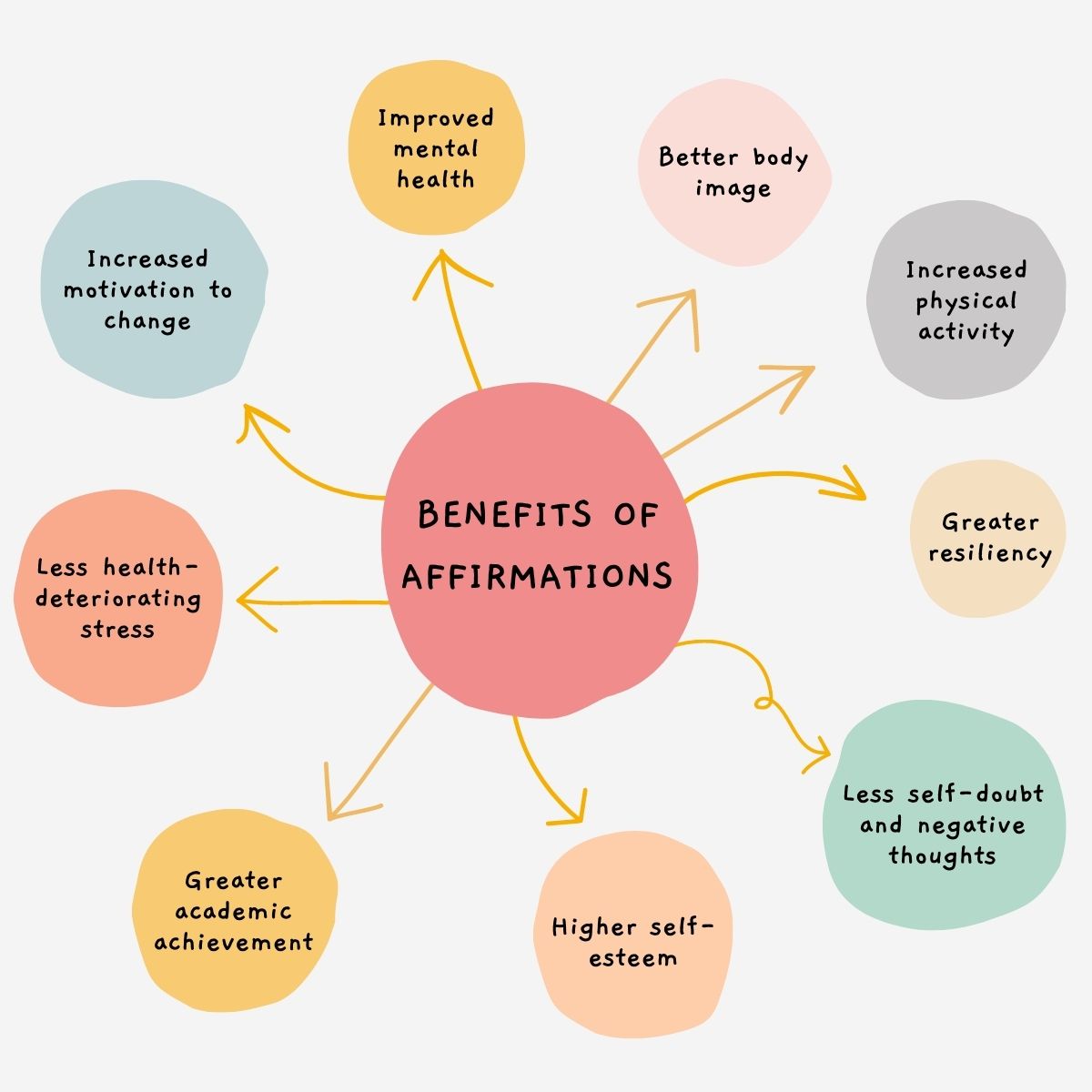
Credit: biteoutoflifenutrition.com
Emotional Benefits Of Daily Affirmations
Repeating positive statements every day can change how you feel. Here are the main emotional benefits:
1. Improved Self-esteem
When you say “I am worthy” or “I am enough,” you start to believe it. This builds self-esteem over time. Many people notice they feel more comfortable in social situations and less fearful of failure.
Self-esteem is not only about feeling good—it affects how you make choices, how you handle challenges, and even how you see yourself in the future. For example, people with higher self-esteem are more likely to try new things, ask for help, or accept compliments.
Daily affirmations help you grow this sense of self-worth, even if you start small.
2. Reduced Anxiety And Stress
Daily affirmations can calm your mind during tough moments. For example, saying “I am calm and focused” before a test or presentation can lower anxiety. The brain starts to accept these thoughts and lets go of worry.
Even simple statements, like “I breathe deeply and relax,” can make a difference. Many therapists suggest using affirmations alongside breathing exercises to reduce panic or nervousness. If you notice tension in your body, repeating calming affirmations can help you release it.
3. Greater Emotional Resilience
Resilience means bouncing back from setbacks. Affirmations make it easier to recover after disappointment or criticism. You remind yourself of your strengths and keep moving forward.
For example, after a bad day, affirming “I learn from mistakes” can help you see the lesson instead of feeling defeated. Over time, you become more adaptable and less afraid of failure.
4. Positive Mood Boost
Regular affirmation practice increases positive emotions like hope, joy, and gratitude. This helps you enjoy life more and find meaning in everyday moments.
People who use affirmations often report feeling lighter, more optimistic, and more energetic. You might notice you smile more or feel grateful for small things. This mood boost can be especially helpful if you’re facing long-term challenges.
5. Better Coping Skills
When life feels overwhelming, affirmations like “I can handle this” or “I will find a solution” make it easier to cope. You become more resourceful and less likely to give up.
For instance, during difficult times, repeating “I am stronger than my challenges” can help you focus on solutions instead of problems. You learn to trust your ability to manage stress and find creative ways to solve issues.
Physical And Health Benefits
Affirmations are not just for the mind—they can help your body too. Here’s how:
1. Lower Stress Hormones
Repeating positive statements reduces stress hormones like cortisol. This keeps your heart and immune system healthier.
Chronic stress is linked to many health problems, such as high blood pressure, heart disease, and weakened immunity. By lowering stress through affirmations, you protect your body from long-term damage. For example, nurses and doctors sometimes teach patients affirmations to help with recovery after surgery.
2. Improved Sleep Quality
People who use affirmations before bed often sleep better. Positive thoughts help you relax and fall asleep faster.
If you struggle with insomnia, try repeating “I am safe and ready for rest” as part of your bedtime routine. This can signal your mind to slow down and prepare for sleep. Some people also use guided audio affirmations to help them drift off.
3. Healthier Habits
Affirmations can motivate you to exercise, eat well, or quit smoking. For example, “I enjoy healthy food” can make you more likely to choose fruits and vegetables.
You can use affirmations to support any habit you want to build. For example, “I move my body every day” encourages regular activity. Over time, positive self-talk can make healthy choices feel natural, not forced.
4. Reduced Physical Symptoms
Studies found that daily affirmations lower physical symptoms like headaches, stomachaches, and muscle tension. This happens because the mind and body are connected.
If you notice pain or discomfort, affirming “My body is relaxed and healing” can help reduce symptoms. Some therapists use affirmations as part of pain management strategies for chronic conditions.
5. Enhanced Recovery
If you’re healing from illness or injury, affirmations like “My body is healing” support the recovery process. Many doctors encourage patients to use positive self-talk for faster healing.
Affirmations may also help people stick to treatment plans or feel hopeful during recovery. For example, cancer patients often use affirmations to stay positive and motivated through difficult times.
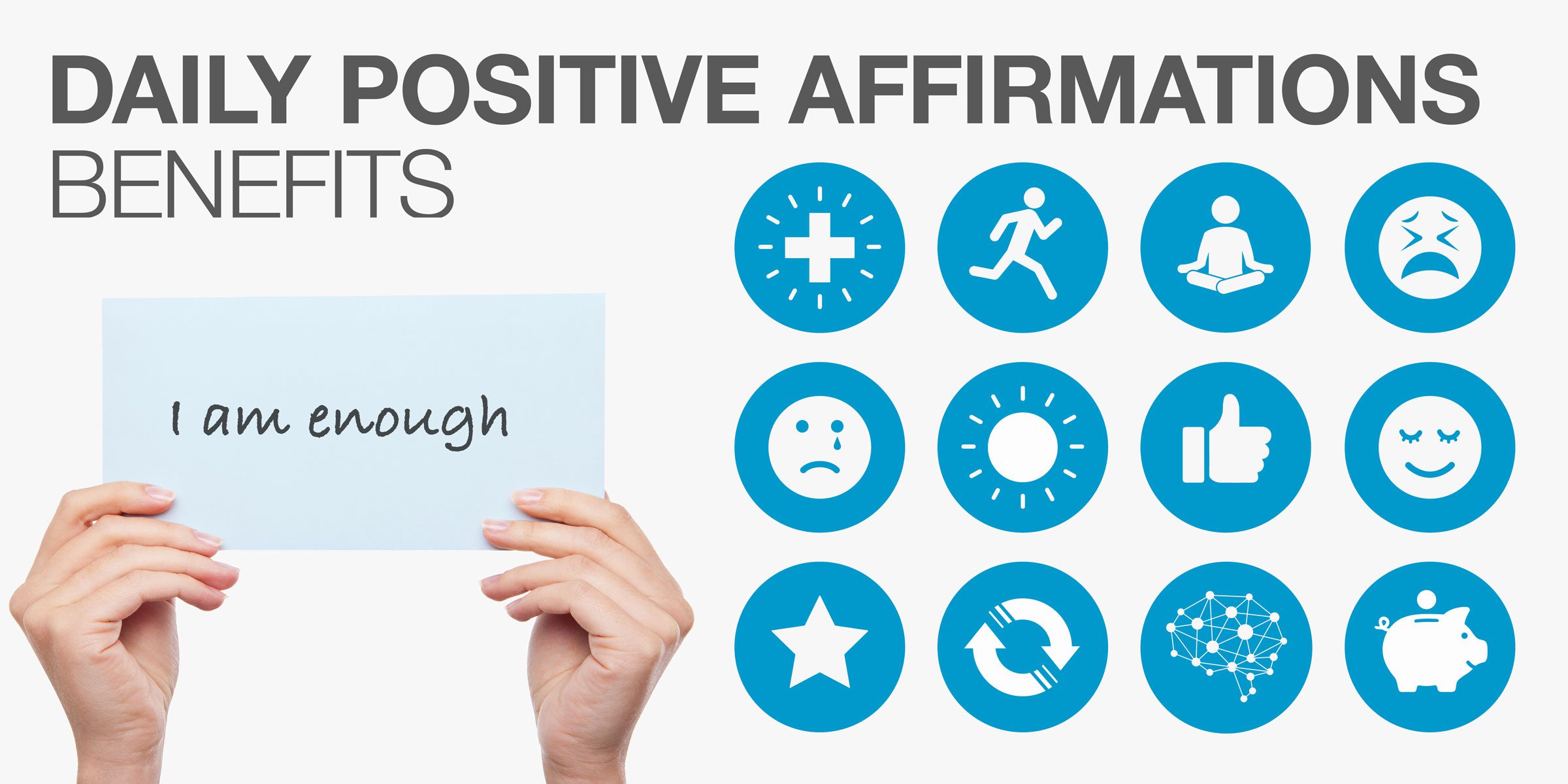
Credit: www.thegoodbody.com
Cognitive And Performance Benefits
Your thoughts shape your actions. Daily affirmations can improve your thinking and performance in many areas:
1. Sharper Focus
Saying “I am focused” or “I can concentrate” helps your brain pay attention. You become less distracted and more productive.
For example, students who use focus affirmations before studying often find it easier to block out distractions and retain information. Professionals use affirmations to stay on task during busy workdays.
2. Increased Motivation
Affirmations like “I am motivated to succeed” boost your drive. You set goals and work harder to achieve them.
If you struggle with procrastination, repeating “I take action every day” can help you build momentum. Motivation affirmations are especially useful for long-term projects or when you feel stuck.
3. Better Problem Solving
Positive self-talk makes it easier to find solutions. You believe in your ability to overcome obstacles.
For example, saying “I am creative and resourceful” can help you approach problems with an open mind. When you trust your ability to solve issues, you’re more likely to try new strategies and learn from mistakes.
4. Enhanced Memory
When you feel confident and relaxed, your memory improves. Affirmations reduce the stress that makes people forget important information.
Teachers sometimes use affirmations with students to help them remember lessons. Statements like “I remember what I learn” or “I recall facts easily” can support better recall during exams or presentations.
5. Higher Performance
Athletes, students, and professionals use affirmations to perform better. Saying “I am ready” or “I can win” prepares your mind for success.
Affirmations help you visualize achieving your goals, which boosts confidence and readiness. Many Olympic athletes use affirmations as part of their mental training. In workplaces, managers encourage teams to use positive statements before big projects.
Compare how daily affirmations and negative self-talk affect performance in different fields:
| Field | Affirmation Effect | Negative Self-Talk Effect |
|---|---|---|
| Sports | Boosts confidence and results | Causes mistakes and doubt |
| Education | Improves grades and focus | Creates anxiety and poor scores |
| Work | Increases productivity | Reduces motivation |
| Relationships | Builds trust and empathy | Causes misunderstandings |
Relationship And Social Benefits
Daily affirmations can help you build stronger connections with others.
1. Improved Communication
Saying “I communicate clearly” or “I listen with care” makes you a better listener and speaker. People feel more comfortable around you.
You can use affirmations to improve teamwork, resolve conflicts, or build trust. For example, “I express my ideas confidently” helps you speak up in meetings. “I listen with patience” helps you understand friends or family better.
2. Higher Empathy
Affirmations increase empathy and understanding. You become more patient and caring.
For example, repeating “I treat others with respect” can remind you to be kind, even during disagreements. Over time, you notice changes in how you react to other people's feelings.
3. Stronger Boundaries
Statements like “I respect myself” help you set healthy boundaries. You’re less likely to let others take advantage.
Healthy boundaries are important for all relationships. Affirming “I say no when needed” or “I protect my energy” gives you strength to stand up for yourself without feeling guilty.
4. Reduced Conflict
Repeating “I stay calm in disagreements” helps you handle arguments peacefully. This creates better relationships at home and work.
You can use conflict-resolution affirmations before difficult conversations. For example, “I respond with understanding” or “I look for solutions” can help prevent arguments from becoming heated.
5. More Positive Interactions
Daily affirmations make you more optimistic and friendly. You attract positive people into your life.
When you feel good about yourself, you’re more likely to treat others well. Positive affirmations can help you be open to new friendships, deepen existing ones, and create a happier social life.
Common Mistakes Beginners Make
Many people try affirmations but don’t see results. Here are common mistakes and how to fix them:
- Choosing vague statements: “I am happy” feels too broad. Pick specific affirmations, like “I enjoy small moments of joy every day.”
- Not believing the words: If you don’t believe the affirmation, your mind rejects it. Start with statements that feel true or are possible.
- Inconsistent practice: Saying affirmations once or twice won’t help. Repeat them daily, at the same time.
- Ignoring feelings: Affirmations should match your emotions. If you feel sad, use “I am learning to handle sadness” instead of “I am always happy.”
- Skipping personalization: Copying generic affirmations is less effective. Create statements that fit your own goals and challenges.
Another mistake: Some people forget to update their affirmations as they grow. Once you achieve a goal, adjust your statements to support new challenges. Also, avoid negative phrasing (“I am not afraid”)—focus on what you want (“I am courageous”).
How To Create Powerful Daily Affirmations
Making your own affirmations is easy and rewarding. Follow these steps:
Step 1: Identify Your Goal
Decide what you want to change—confidence, stress, health, relationships, or performance.
Think about the biggest challenge in your life right now. Do you want to feel more confident, manage stress, improve relationships, or build a new habit? Your affirmations should reflect your most urgent needs.
Step 2: Use Positive, Present-tense Language
Phrase your affirmation as if it’s true now. For example: “I am confident,” not “I will be confident.”
The present tense signals to your brain that the change is happening. This helps you internalize the belief more quickly.
Step 3: Keep It Short And Simple
Short affirmations are easier to remember and repeat.
A simple statement like “I am calm” is more effective than a long, complicated sentence. You can expand later, but start with a phrase you can easily recall.
Step 4: Make It Personal
Use “I” statements and include your name if you like. For example, “I, Maria, am strong. ”
Personalizing your affirmations makes them feel more real. Some people even add specific details, such as “I am confident when speaking in meetings. ”
Step 5: Focus On Action Or Value
Add verbs or values. For example: “I handle challenges with calm” or “I value my health.”
Verbs make your affirmations active, while values anchor your statements to what matters most. Combining both can make the affirmation more powerful.
Step 6: Repeat Daily
Say your affirmation every morning or night. You can write it, say it out loud, or listen to recordings.
Consistency is key. Try to repeat your affirmations at the same time each day. Some people use alarms or reminders to stay on track.
Here’s a comparison of effective versus ineffective affirmations:
| Effective Affirmation | Ineffective Affirmation |
|---|---|
| I am learning to trust myself | I am perfect |
| I handle stress calmly | I never feel stress |
| I enjoy taking care of my health | I will be healthy someday |
| I communicate honestly | People always listen to me |
Real-life Examples And Success Stories
Many people and organizations use affirmations to improve life. Here are a few examples:
- Athletes: Famous athletes repeat affirmations before competitions to boost confidence and focus.
- Students: Students use affirmations to calm nerves before exams and improve grades.
- Business leaders: Successful CEOs use daily affirmations to stay motivated and lead teams.
- Patients: Doctors suggest affirmations for patients recovering from illness or surgery.
For example, Michael Phelps, the Olympic swimmer, used affirmations and visualization to prepare for races. He imagined himself succeeding and repeated positive statements daily. Students in schools sometimes write affirmations on sticky notes and place them on their desks for encouragement.
In workplaces, teams start meetings with group affirmations to build unity.
One non-obvious insight: People often combine affirmations with other tools, like breathing exercises or journaling, to make them more effective. Another insight: Affirmations work best when they fit your cultural beliefs and values. For example, in some cultures, group affirmations (said aloud together) create stronger results.
How To Practice Daily Affirmations
If you’re ready to start, here are practical steps:
- Pick a time: Morning or evening works best. Set a reminder.
- Choose your affirmations: Write 3–5 statements for your goals.
- Repeat them: Say them out loud, write them, or listen to recordings.
- Visualize: Imagine yourself acting on the affirmation.
- Feel the words: Notice how the affirmation makes you feel.
- Stay consistent: Repeat daily for at least a month.
Some people use sticky notes, phone reminders, or audio recordings to remember their affirmations.
To deepen your practice, you can combine affirmations with breathing or mindfulness. For example, pause, take a deep breath, and repeat your affirmation slowly. Some people use apps that send daily affirmations as notifications. You can also share affirmations with a friend for accountability.
Advanced Tips For Maximum Benefits
Once you’re comfortable, try these advanced tips:
- Combine with meditation: Repeat affirmations during meditation for deeper effect.
- Use mirror work: Say affirmations while looking in the mirror. This builds self-acceptance.
- Group practice: Share affirmations with friends or family. This creates support and accountability.
- Change affirmations over time: Adjust your statements as you grow.
- Track progress: Keep a journal to record changes in mood, habits, or confidence.
Another advanced tip: If you notice resistance to an affirmation, write down your doubts and create new statements that address them. For example, if “I am confident” feels untrue, try “I am learning to be more confident every day.” Journaling about your experience can help you see progress and make adjustments.
Possible Limitations And How To Overcome Them
Affirmations are helpful, but not a cure-all. Here’s what to watch for:
- Mental health issues: If you have depression or anxiety, affirmations are only one tool. Combine them with therapy or medical help.
- Deep-rooted beliefs: Changing old negative beliefs takes time. Be patient and persistent.
- Too much pressure: If you force yourself to repeat affirmations you don’t believe, it can feel stressful. Start small and realistic.
If you want to learn more about the science of affirmations, check out this Wikipedia page on self-affirmation.
Another limitation: Sometimes, affirmations can feel empty if you don’t take action. Pair your statements with real steps. For example, “I value my health” should lead to making healthy choices. If affirmations alone don’t help, try changing your environment or routines to support your goals.

Credit: www.kelphr.com
Frequently Asked Questions
What Is The Best Way To Practice Daily Affirmations?
The best way is to repeat your affirmations every day at the same time. Say them out loud, write them, or listen to recordings. It helps to focus on the meaning and feel the words. Choose affirmations that fit your goals and beliefs.
Practice for at least a month to see results.
You can also combine affirmations with visualization. Imagine yourself living the affirmation. This makes the practice stronger and helps your mind accept the new belief.
Can Daily Affirmations Help With Anxiety?
Yes, daily affirmations reduce anxiety by calming your mind and focusing on positive thoughts. Statements like “I am safe and calm” or “I can handle stress” are effective. Many studies show affirmations lower stress hormones and improve coping skills.
If you feel anxious, try pairing affirmations with breathing exercises. For example, breathe deeply and repeat, “I am calm and in control. ” Over time, your mind learns to choose calm thoughts instead of anxious ones.
How Many Affirmations Should I Use Each Day?
Most people use 3–5 affirmations per day. This keeps practice simple and focused. Too many can feel overwhelming. Choose statements for your most important goals or challenges.
If you have trouble remembering them, write your affirmations in a notebook or use a reminder app. Quality matters more than quantity—pick statements that have meaning for you.
Do Affirmations Work For Everyone?
Affirmations help most people, but results depend on consistency and belief. If you have deep negative beliefs, it may take longer. For mental health issues, combine affirmations with other support, like therapy.
Some people notice quick changes, while others take weeks or months. Be patient and adjust your practice as needed. If you need extra help, talk to a counselor or coach.
Can I Create My Own Affirmations?
Absolutely! Creating your own affirmations is more effective than using generic ones. Make them personal, positive, and in present tense. For example, “I am confident” or “I value my health. ” Personal affirmations fit your needs and are easier to believe.
You can also change your affirmations as your goals shift. If you achieve a goal, create new statements for your next challenge.
Daily affirmations are simple, but powerful tools for change. With regular practice, you can improve your mood, boost confidence, manage stress, and build better habits. Remember, the secret is consistency and belief. Start small, make your affirmations personal, and notice how your life changes step by step.
The benefits are real and lasting for anyone willing to try.
