

Can Affirmations Change Your Brain? Science-Backed Insights
Can Affirmations Change Your Brain
If you have ever repeated a positive phrase to yourself like “I am capable” or “I can do this,” you have practiced an affirmation. Many people use affirmations to boost their mood, calm anxiety, or set intentions. But do these simple phrases do more than just make us feel better for a moment?
Can affirmations actually change your brain? This question has become popular as more people look for science-backed ways to improve their mental health and daily life.
Understanding how affirmations might affect your brain is not just interesting—it can change the way you approach self-growth. Modern research in psychology and neuroscience has started to uncover surprising connections between the words we say to ourselves and the structure, chemistry, and function of our brains.
What was once dismissed as “wishful thinking” is now being taken seriously by scientists, therapists, and even doctors.
Let’s explore what affirmations are, how they work, what the latest brain research says, and how you can use them in your own life for real, lasting change.
What Are Affirmations?
Affirmations are short, positive statements that you repeat to yourself. They are designed to encourage, motivate, and challenge negative thoughts. For example, someone might say, “I am strong,” “I can handle this,” or “I am worthy of love. ” The key is that affirmations focus on positive qualities or goals as if they are already true.
People use affirmations in many ways. Some repeat them in the morning to start the day with confidence. Others use them before a big event, like a job interview or presentation. Some write them down in journals, while others say them aloud in front of a mirror. The goal is the same: to shift your mindset and boost your emotional state.
The Science Behind Affirmations
Many people wonder if affirmations are just “feel-good” phrases or if they have real effects on the brain. Science offers some interesting answers.
How Thoughts Affect The Brain
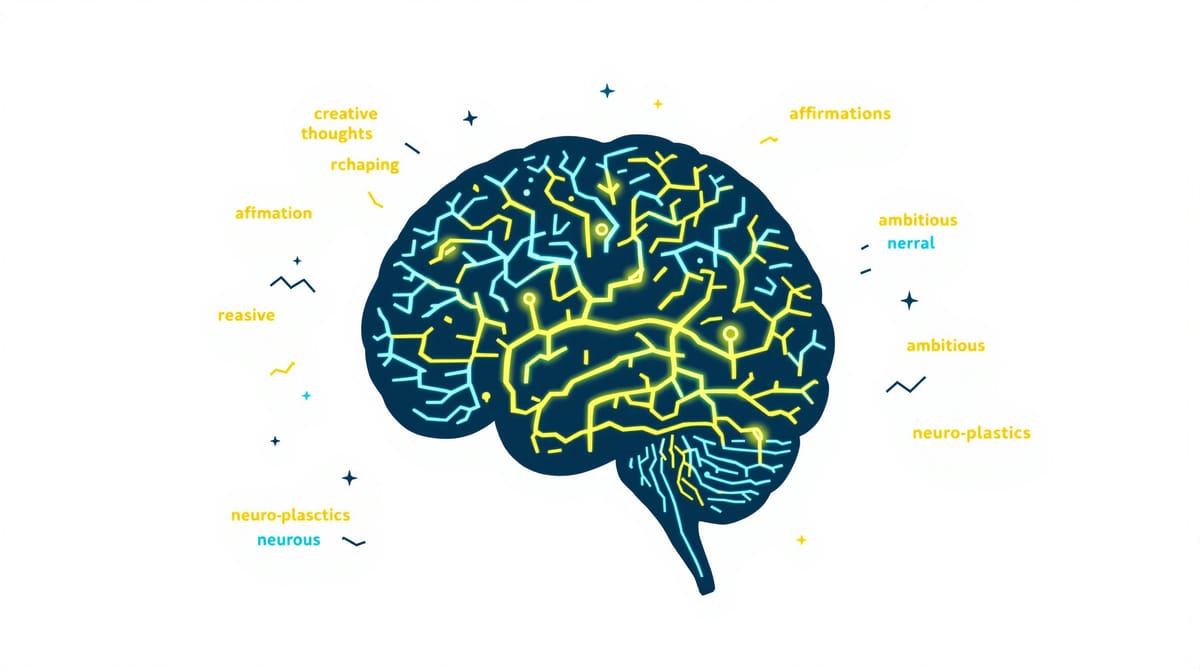
Your brain is always changing. This ability to change is called neuroplasticity. Every time you think a thought, especially if you repeat it often, you strengthen certain connections in your brain. Just like practicing a sport builds muscle memory, practicing positive thoughts can build mental habits.
Negative thinking can also build strong pathways in the brain. If you often think, “I’m not good enough,” that thought becomes easier for your brain to access. Affirmations aim to build new, positive pathways instead.
What Research Shows
Studies using brain scans have shown that when people practice self-affirmation, certain areas of the brain become more active. One important area is the ventromedial prefrontal cortex (vmPFC), which is involved in self-reflection and processing rewards. When you repeat affirmations, this area lights up, suggesting that your brain treats positive self-statements as meaningful and rewarding.
In some experiments, people who used affirmations before stressful tasks showed less activity in the areas of the brain linked to threat and anxiety. This means affirmations might help your brain feel safer and more in control.
Not Just Positive Thinking
Affirmations are more than just “positive thinking. ” They work by challenging deep beliefs. When you say, “I am calm,” even if you feel anxious, your brain begins to consider calmness as a real possibility. Over time, this can change your automatic thoughts and emotional reactions.
How Affirmations Change The Brain: Key Mechanisms
To understand how affirmations can shape the brain, it helps to look at the main ways they work.
1. Strengthening Positive Neural Pathways
Every thought and belief you repeat makes the related brain pathway stronger. This is known as Hebb’s law: “neurons that fire together, wire together.” Affirmations encourage your brain to fire positive pathways, making them easier to access in the future.
2. Reducing Negative Self-talk
Many people struggle with self-criticism. Affirmations help to quiet negative self-talk by giving your brain a new script. If you replace “I can’t do this” with “I am learning and growing,” you start to weaken the power of old negative pathways.
3. Activating Reward Centers
When you say something positive about yourself, the brain’s reward centers, including the vmPFC, become active. This releases chemicals like dopamine that make you feel good. Over time, this can help your brain associate positive self-talk with pleasure and motivation.
4. Changing Your Stress Response
Affirmations can calm the amygdala, the brain’s alarm system. In stressful situations, affirmations can help you think more clearly and feel less anxious. Some studies show that people who use affirmations recover from stress more quickly, both emotionally and physically.
5. Shifting Core Beliefs
Deep beliefs about yourself can be hard to change. But repeated affirmations can slowly update your “self-schema”—your core idea of who you are. As your brain accepts new beliefs, your confidence, resilience, and happiness can grow.
What Does The Research Say? Evidence From Studies
Let’s look at some real data and findings from scientific studies about affirmations and the brain.
| Study | Method | Main Finding |
|---|---|---|
| Self-Affirmation and Brain Activity | fMRI scans during affirmations | Increased activity in reward centers (vmPFC) |
| Affirmations and Stress Recovery | Stress tasks with/without affirmations | Faster emotional recovery in affirmation group |
| Affirmations and Academic Performance | Affirmations before exams | Improved test scores, especially in anxious students |
In one experiment, students who wrote self-affirmations before exams scored higher than those who did not. The effect was strongest for students who usually felt anxious or doubted themselves. This suggests affirmations are especially helpful for people facing self-doubt or stress.
Another study used brain scans to compare people practicing affirmations to those who did not. The scans showed more activity in brain areas linked to self-worth, planning, and motivation.
Real-life Examples Of Affirmations In Action
Affirmations are not just for therapy offices or self-help books. Many successful people use them every day.
- Athletes often repeat phrases like “I am strong” or “I can win” before games. This helps them focus and perform under pressure.
- Public speakers use affirmations to calm nerves, saying things like “I am confident” or “My words matter.”
- Students and professionals use affirmations to prepare for exams, interviews, or big meetings.
One non-obvious insight is that many people use affirmations without realizing it. When a parent tells a child, “You can do it!” or a coach says, “Believe in yourself,” these are forms of affirmations. The more these messages are repeated, the more they shape the brain’s self-image.
The Limits And Challenges Of Affirmations
While affirmations can be powerful, they are not magic. There are some limits and common mistakes to know.
When Affirmations Backfire
If you say an affirmation that feels too unrealistic—like “I am a millionaire” when you are struggling financially—your brain may resist it. This can make you feel worse, not better. It’s important to choose affirmations that feel possible, even if they stretch your comfort zone.
Individual Differences
Not everyone responds to affirmations in the same way. Some people find them helpful right away, while others take longer. For people with very low self-esteem, affirmations may feel fake at first. Combining affirmations with other practices, like therapy or journaling, can help.
Consistency Matters
Affirmations work best when used regularly. Saying an affirmation once is not enough to change your brain. The more often you repeat them, the stronger the effect. Just like exercise, results come with practice.
The Role Of Action
Affirmations are most effective when combined with action. For example, saying “I am healthy” works better if you also eat well and exercise. Affirmations can boost motivation, but they cannot replace real effort.
How To Use Affirmations For Brain Change
If you want to use affirmations to change your brain, here are practical steps to get started.
1. Choose The Right Affirmations
Pick statements that are positive, specific, and believable. For example:
- “I am learning new things every day.”
- “I handle challenges with calm and confidence.”
- “I am improving my skills.”
Avoid phrases that feel too far from your reality. Start with affirmations you can accept.
2. Repeat Regularly
The brain changes with repetition. Set a routine: say your affirmations each morning, before bed, or during stressful moments. You can say them out loud, write them down, or even listen to recordings.
3. Visualize Success
As you say your affirmation, picture yourself living it. Imagine how it feels, what you see, and how you act. Visualization helps the brain accept new ideas as real.
4. Combine With Mindfulness
Mindfulness means paying attention to the present moment. When you say an affirmation, pause and notice how it feels in your body. This can help deepen the brain’s response.
5. Track Your Progress
Keep a journal of your affirmations and any changes you notice. Over time, you may see shifts in your mood, thoughts, or actions. Celebrate small wins to keep motivated.
Affirmations Vs. Other Mental Techniques
How do affirmations compare to other ways of changing your brain and mindset? Here’s a quick overview.
| Technique | Main Focus | How It Works | Best For |
|---|---|---|---|
| Affirmations | Positive self-talk | Repetition of positive statements | Building self-esteem, motivation |
| Visualization | Imagining success | Mental practice of goals | Sports, performance, habit change |
| Mindfulness | Present moment awareness | Focus on thoughts and feelings without judgment | Reducing stress, emotional control |
| Cognitive Behavioral Therapy (CBT) | Changing thought patterns | Identify and reframe negative beliefs | Anxiety, depression, deep-seated beliefs |
Affirmations are simple and accessible. They are a good starting point for anyone who wants to create positive change, but they can also work alongside deeper therapies or practices.

Credit: centerforchange.com
Common Myths About Affirmations
There are many myths and misunderstandings about affirmations. Here are the facts:
Myth 1: Affirmations Are Just “lying To Yourself”
Affirmations are not about denying reality. They are about focusing on your strengths and possibilities. Over time, repeated positive statements can help your brain accept new beliefs.
Myth 2: You Have To Believe Them From The Start
It’s normal to feel awkward or doubtful at first. With practice, affirmations can feel more natural. Start with statements that feel somewhat true and build from there.
Myth 3: Affirmations Work Instantly
Real brain change takes time. Think of affirmations as exercise for your mind. The benefits grow as you practice.
Myth 4: They Replace Medical Or Psychological Help
Affirmations are a tool, not a cure. If you struggle with severe anxiety, depression, or trauma, seek help from a professional. Affirmations can support other treatments, but they are not a substitute.
Surprising Insights And Lesser-known Facts
Many people overlook the following points when starting with affirmations:
- Tone of Voice Matters: Brain scans show that saying affirmations with feeling (not just flatly) activates more of the brain’s emotional centers. Add emotion for more impact.
- Writing Is Powerful: Writing affirmations by hand activates different parts of the brain than just thinking or saying them. This can make them more effective.
- Social Affirmations Help: Hearing affirmations from others—like friends or mentors—can strengthen their effect. Don’t be afraid to ask for support.
- Short, Simple Phrases Work Best: The brain likes clear, easy-to-remember messages. Long or complicated affirmations are less likely to stick.
- Link Affirmations to Habits: Pair an affirmation with an existing habit (like brushing your teeth) to make it part of your routine.

Credit: michiganpsychologicalcare.com
Affirmations For Different Goals
You can use affirmations for many life areas. Here are some examples:
For Confidence
- “I trust myself to make good decisions.”
- “I speak with clarity and purpose.”
For Stress Relief
- “I am calm and at peace.”
- “I handle challenges with grace.”
For Health
- “I choose healthy foods for my body.”
- “My body is getting stronger every day.”
For Relationships
- “I communicate with kindness.”
- “I deserve love and respect.”
For Success
- “I am focused and productive.”
- “I attract opportunities for growth.”
Pick affirmations that match your current needs. Personalize them to feel authentic.
How Long Does It Take To See Results?
Changing your brain with affirmations is not instant. Most people notice small changes within a few weeks if they practice daily. For deep beliefs, it may take longer.
The key is consistency. The more often you use affirmations, the faster your brain adapts. Combining affirmations with action speeds up results.
One non-obvious insight: Sometimes you notice changes in your actions before your thoughts fully change. For example, you may find yourself trying new things or speaking up more, even if you still feel nervous. This is a sign your brain is shifting.
Practical Tips For Making Affirmations Work
Here are some tips to get the most out of affirmations:
- Use the present tense: Say “I am,” not “I will be.”
- Keep them short: The brain remembers brief statements more easily.
- Use your own words: Personal language feels more real.
- Repeat throughout the day: The more often, the better.
- Say them with feeling: Engage your emotions.
- Write them down: Use a journal or sticky notes.
- Pair with action: Take small steps that match your affirmation.
If you want more ideas, you can explore resources from Psychology Today.
When To Seek Help
Affirmations can be a great tool, but they are not a cure-all. If you struggle with strong negative thoughts, depression, anxiety, or trauma, consider talking to a mental health professional. Affirmations can support your healing, but some issues need deeper care.
Credit: www.upskillist.com
Frequently Asked Questions
What Are The Best Affirmations For Changing Your Brain?
The best affirmations are positive, specific, and believable statements. Choose phrases that match your goals and feel possible for you, such as “I am learning every day” or “I handle stress with calm. ”
How Often Should I Repeat Affirmations To See Results?
Daily repetition is key. Most people start to notice changes within a few weeks of regular practice. For lasting brain change, keep going for several months.
Can Affirmations Help With Anxiety Or Depression?
Affirmations can help reduce negative self-talk and boost mood, but they are not a replacement for professional help. They work best as a support tool alongside therapy or other treatments.
Is It Better To Say Affirmations Out Loud Or Silently?
Both ways can work, but saying affirmations out loud with emotion tends to activate more of the brain. Writing them down can also increase their impact.
Do Affirmations Work For Everyone?
Most people benefit from affirmations, but the effect can vary. If you struggle to believe your affirmations or feel worse, try simpler statements or get support from a therapist or coach.
Affirmations are not just words—they are a tool for shaping your brain, mindset, and future. With practice and patience, they can help you build a stronger, more positive self-image and enjoy real changes in your thoughts and life.
