

Can Affirmations Be Copyrighted? What You Need to Know
Can Affirmations Be Copyrighted
People often use affirmations to inspire themselves or others. These positive statements appear everywhere: on social media, in books, on T-shirts, and in guided meditations. As affirmations become more popular, many wonder: Can affirmations be copyrighted? If you create a unique affirmation, do you own it? Or is it free for anyone to use? This question is not as simple as it may seem.
Many creators, coaches, and businesses rely on affirmations as part of their work. Protecting your words can feel important, especially if you use them for your brand or products. But copyright law is complex. It does not treat all writing the same way.
Short phrases, slogans, and expressions may not always get protection. On the other hand, some unique combinations can qualify. This article will guide you through what the law says, how it applies to affirmations, and what you should know before sharing or using them.
What Are Affirmations?
Affirmations are positive statements meant to encourage, motivate, or create a mindset shift. People repeat affirmations to themselves to boost confidence, reduce stress, or help them reach goals. Examples include:
- "I am strong and capable."
- "Success flows to me easily."
- "Every day, I am becoming better."
Affirmations are often short, direct, and easy to remember. They are used in self-help, therapy, business training, and many wellness programs.
Not all affirmations are the same. Some are very general, while others are more creative or deeply personal. The way an affirmation is written can affect whether it is protected by copyright.
What Is Copyright?
Copyright is a type of legal protection given to creators of original works. It covers writing, music, art, software, and more. Copyright allows creators to control how their work is used, copied, or sold.
Key points about copyright:
- It protects the expression of ideas, not the ideas themselves.
- A work must be original and show some level of creativity.
- Copyright happens automatically when you create the work in a fixed form (written down, recorded, etc. ).
- Copyright does not protect short phrases, titles, or slogans in most cases.
Copyright law can differ from country to country, but these basics are common worldwide.
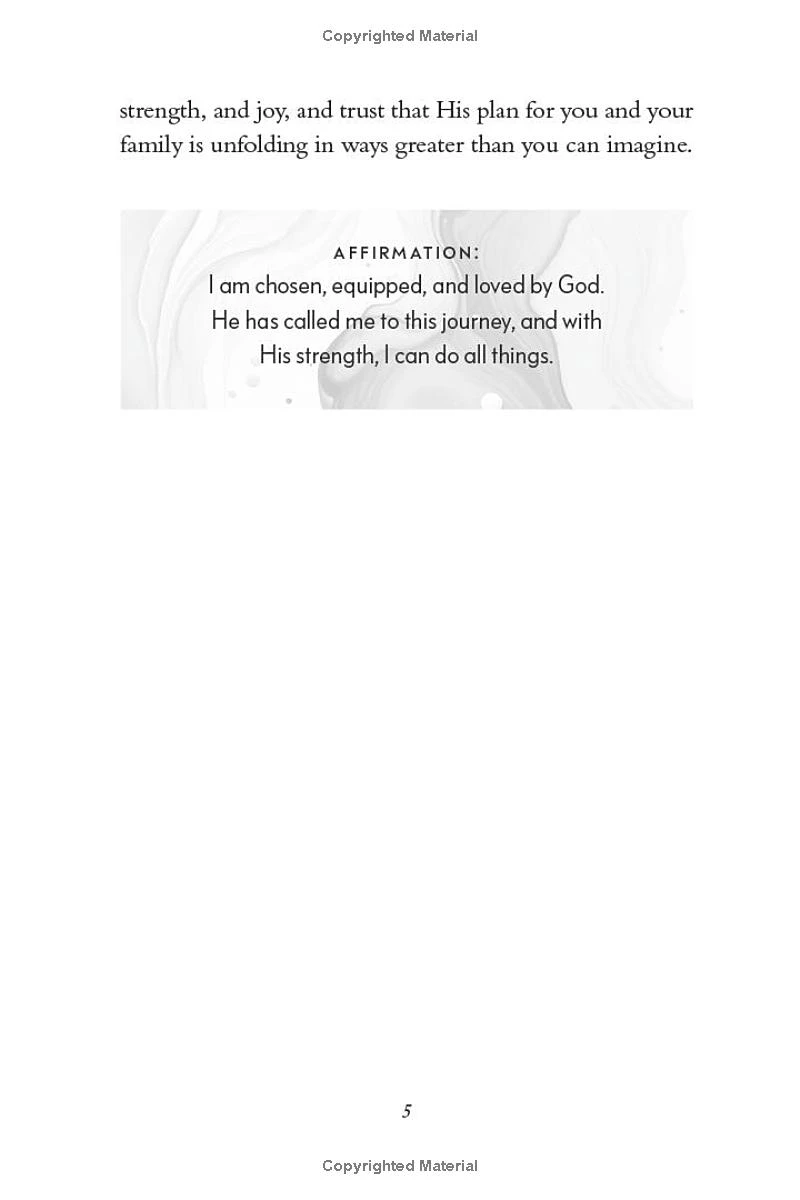
Credit: store.focusonthefamily.com
Can Short Phrases Be Copyrighted?
This is a central question for affirmations. Many affirmations are just a few words. According to copyright offices in many countries, short phrases are usually not protected. This includes:
- Titles
- Names
- Slogans
- Common sayings
Why? Because these are seen as ideas, not creative expressions. For example, "Just do it" or "Think different" are famous slogans, but they are not protected by copyright.
However, if a short phrase is very creative or original, there may be some exceptions.
Comparison Of Protectable And Non-protectable Examples
| Type | Protected by Copyright? | Example |
|---|---|---|
| Simple phrase | No | Be happy |
| Common affirmation | No | I am strong |
| Original poem or passage | Yes | In the quiet morning, I rise with hope anew |
| Unique, creative affirmation | Maybe (case by case) | Like a river, I flow through every challenge with gentle power |
What Makes A Work Copyrightable?
To be protected, a work must meet three main requirements:
- Originality: It must be new and not copied from somewhere else.
- Creativity: It should show some creative effort, even if small.
- Fixed in a tangible medium: It has to be written down, recorded, or saved in some way.
Simple phrases or common expressions usually do not meet the creativity requirement. But longer, more creative affirmations—especially those that feel like a poem or a unique statement—might qualify.
Are Affirmations Like Slogans Or Poems?
Affirmations often sit between slogans and poetry. Slogans are usually not protected by copyright, but poems are. Many affirmations are short and simple, similar to slogans. But some affirmations are longer and more artistic, like a short poem.
Example Comparison
| Type | Length | Copyrightable? |
|---|---|---|
| Slogan | 2-4 words | No |
| Affirmation | 3-8 words | Rarely |
| Short Poem | 10+ words | Usually Yes |
If your affirmation is creative and original, and not just a common phrase, you have a better chance of copyright protection.
Copyright Office Guidelines
Many copyright offices around the world give examples of what is and is not protected. For instance, the U.S. Copyright Office says that short phrases, slogans, or simple lists are not protected. But creative combinations may be.
Some guidelines:
- "Carpe diem" (seize the day) is not protected.
- "You miss 100% of the shots you don’t take" (if original) may get protection.
- Longer, unique passages that go beyond common language are more likely to be protected.
Can You Copyright Your Own Affirmations?
If you write unique affirmations that are creative, you may claim copyright. This is easier if your affirmations:
- Use unusual wording or structure
- Tell a story or paint a picture
- Are part of a longer, connected work (like a book or poem)
If your affirmation is just "I am enough," it will not be protected. But if you write, "Within my soul, a quiet strength blooms every dawn," you show more creativity.
Steps To Protect Your Affirmations
- Write them down: Make sure your affirmations are saved in a fixed form.
- Be creative: Use your own words, style, and ideas.
- Register (optional): In some countries, you can register your work with a copyright office for extra protection.
What If Someone Copies Your Affirmation?
If your affirmation is protected, you have rights. You can ask the person to stop using your words or even take legal action. But this is only possible if:
- Your affirmation is creative and original enough for copyright
- You can prove you created it first
If your affirmation is a common phrase, you probably cannot stop others from using it.
Trademark Vs. Copyright
Some people confuse trademark and copyright. They protect different things.
- Copyright: Protects original expressions (writing, music, art)
- Trademark: Protects brands, logos, and slogans used in commerce
If you use an affirmation as a brand slogan or on products, you might try to register it as a trademark. Trademarks can protect short phrases if they are linked to a business or brand.
Trademark Vs. Copyright Comparison
| Feature | Copyright | Trademark |
|---|---|---|
| What it protects | Original expressions | Brand identifiers |
| Examples | Poems, books, songs | Logos, slogans, product names |
| Affirmation as protection | If very creative and original | If used to sell products/services |
| Registration | Automatic; can be registered | Must be registered |
Real-world Examples
Many businesses use affirmations in their branding. For example, a clothing company might print "I am brave" on T-shirts. If the phrase is very common, it cannot be protected. But if the company creates a unique, creative affirmation and uses it as a brand, they may get trademark protection.
Famous motivational speakers sometimes use special affirmations in their talks or books. If the affirmation is part of a larger creative work, copyright applies. Otherwise, if it is a short phrase, it is harder to claim ownership.

Credit: www.amazon.com
Common Myths About Affirmation Copyright
Many people believe myths about copyright and affirmations. Here are some you should know:
- Myth: Any phrase can be copyrighted.
- Fact: Most short phrases cannot be. They lack creativity.
- Myth: If you post an affirmation online, you own it.
- Fact: You must create it yourself, and it must be original and creative. Posting alone is not enough.
- Myth: Adding one word makes it unique.
- Fact: Small changes do not create new copyright. The overall expression must be original.
- Myth: All affirmations are free to use.
- Fact: Some long, creative affirmations are protected. Always check before using someone else’s work.
How To Create Copyright-protected Affirmations
If you want your affirmations to be protected, focus on originality and creativity. Here are some tips:
- Combine personal stories with your affirmation.
- Use unusual words, structure, or imagery.
- Avoid common phrases found everywhere.
- Make your affirmation part of a larger work (like a poem or guided meditation).
By doing this, you increase your chance of getting copyright protection.
When Can You Use Someone Else’s Affirmations?
If an affirmation is short and common, you can usually use it freely. If it is creative, longer, or clearly part of someone’s original work, get permission or give credit.
Safe Ways To Use Affirmations
- Use general affirmations that are not unique.
- Write your own, inspired by common ideas but using your words.
- If you quote a long or creative affirmation, ask the author or cite the source.
The Role Of Fair Use
In some cases, you can use a small part of someone’s work without permission. This is called fair use (in the U.S.) or similar terms in other countries. Fair use depends on:
- The purpose of use (education, review, or commercial)
- The amount used (a short quote is better)
- The effect on the original work’s value
Using a short, creative affirmation in a review or teaching context is more likely to be fair use. Using it on products for sale is not.
International Copyright Differences
Copyright laws are not the same everywhere. In some countries, the rules about short phrases and creativity are stricter or looser. But the basic ideas are similar.
If you want to protect or use affirmations internationally, check the rules in each country or talk to a copyright expert.
What About Social Media And Public Domain?
Many affirmations are shared widely online. If an affirmation is in the public domain (very old or given up by the creator), anyone can use it. Affirmations posted on social media are not automatically free to use, but most are short and not protected.
If you want to use an affirmation you found online, check if it is original, creative, and who wrote it.
Non-obvious Insights And Practical Guidance
Here are some points beginners often miss:
- Combination Works: If you create a set of affirmations as a group, the collection might get protection even if the individual phrases do not. The way you organize, select, and present them adds originality.
- Derivative Works: If you take a unique affirmation and change it only a little, it is still covered by the original copyright. Making a small edit does not make it yours.
- Licensing and Permissions: Sometimes, creators allow others to use their affirmations under certain terms. Look for Creative Commons or other licenses.
- Commercial Use Is Riskier: Using affirmations in products (books, shirts, apps) without checking rights can lead to legal trouble. Even if the phrase is short, brands may defend their trademark.
- Unregistered Copyright: You do not have to register copyright for it to exist, but registration makes it easier to prove ownership and take legal action if needed.
How To Register Your Affirmations
If you believe your affirmations are original and creative, you can often register them with a copyright office. This process varies by country. Registration is not always required but gives extra benefits, like easier proof and sometimes the right to claim damages.
Steps To Register
- Collect your affirmations in a fixed form (document, book, file).
- Visit your country’s copyright office website.
- Fill out the application and pay any fees.
- Submit your work.
For more information, you can check the U.S. Copyright Office for official details.
Common Copyright Mistakes With Affirmations
Many people fall into these traps:
- Believing any short phrase is protected
- Copying affirmations from books or the internet and claiming them as their own
- Making small edits and thinking the work is now original
- Ignoring trademark concerns when selling products with affirmations
Always research before claiming ownership or using someone else’s affirmations.
What To Do If Your Affirmations Are Copied
If you find someone using your original, creative affirmation without permission:
- Gather evidence that you created it first (notes, files, publication dates).
- Politely contact the person and ask them to stop or give credit.
- If they refuse and your affirmation is protected, consider legal action (talk to a lawyer).
Often, a friendly request is enough. Legal action is a last step.
Using Affirmations In Business
If you use affirmations as part of a business (coaching, publishing, products), be extra careful. Choose unique, creative phrases and consider trademarking them if used as a brand. Always check if an affirmation is protected before using it on commercial products.
The Bottom Line For Creators And Users
- Most affirmations are too short and simple for copyright.
- Creative, original affirmations or collections can be protected.
- Registration is not required, but helps prove ownership.
- Trademarks protect brand slogans, not creative writing.
- Always check rights before selling or widely sharing affirmations.
Frequently Asked Questions
Can I Copyright A List Of Affirmations?
If your list of affirmations is creative and original in how it is chosen and arranged, copyright can protect the collection. The individual short affirmations may not be protected, but the way you organize and present them can be.
Is It Legal To Use Affirmations I Find Online?
If the affirmation is a common phrase, yes, you can use it. If it is a unique, creative phrase or part of someone’s original work, you should ask for permission or give credit. Using affirmations for commercial products requires extra care.
Can I Trademark An Affirmation?
You can trademark an affirmation if you use it as a brand or slogan for your business or products, and it is not a common phrase. Trademark protects how you use the phrase in commerce, not just the words themselves.
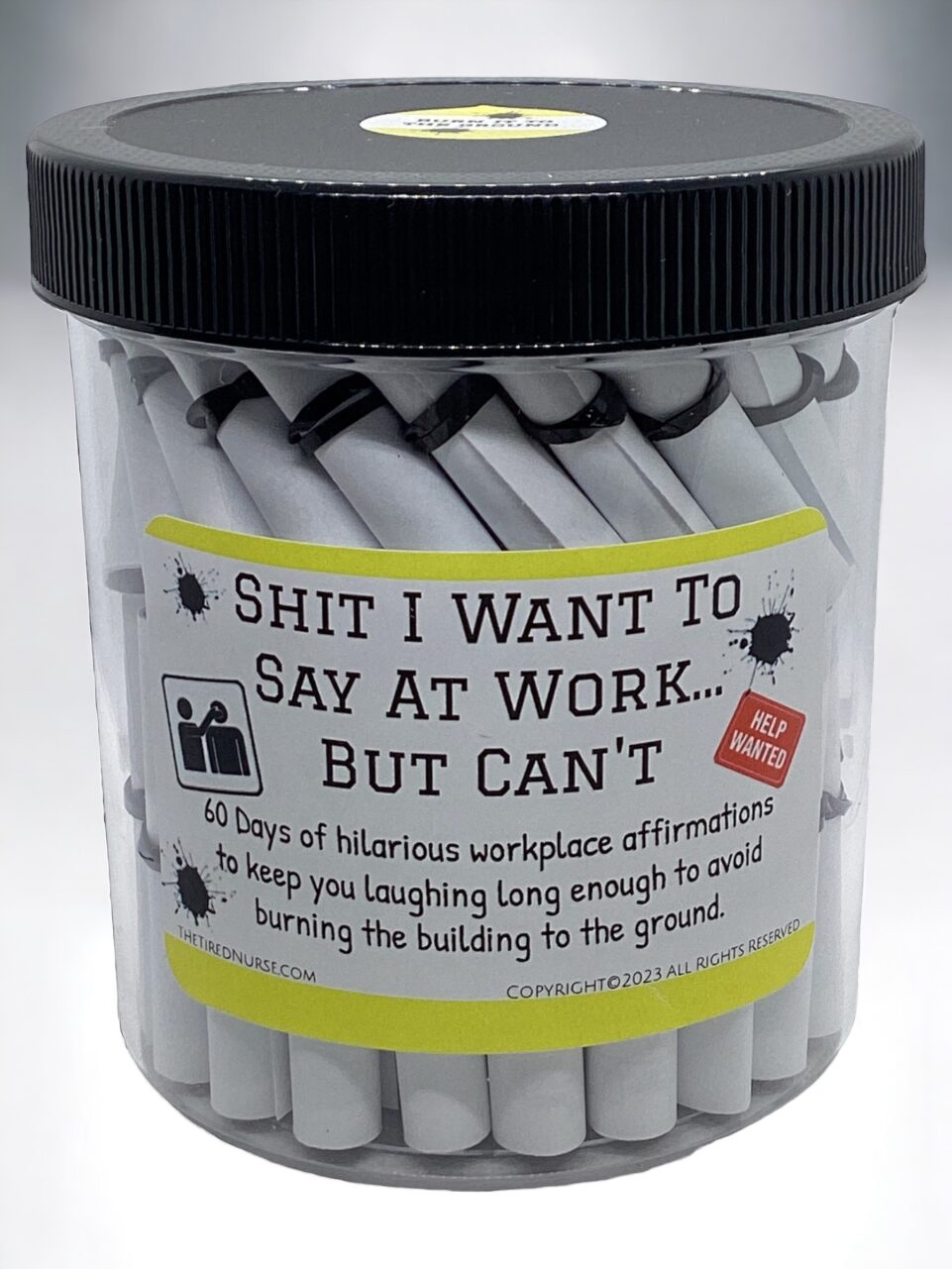
Credit: www.shopiowa.com
What Should I Do If Someone Copies My Affirmation?
If your affirmation is creative and original, collect proof you wrote it first, then contact the person and ask them to stop. If they refuse, you may need legal advice. Most short affirmations, however, are not protected.
Is Copyright Registration Required For Protection?
No, copyright is automatic when you create an original work. Registration is not required, but it makes it easier to prove your rights and take action if someone copies your work.
Affirmations are powerful tools for motivation and growth. Understanding copyright will help you create, share, and protect your words with confidence. When in doubt, focus on originality and always respect the work of others.
