

Can Affirmations Be Copyrighted? What You Need to Know
Can Affirmations Be Copyrighted
Affirmations have become a big part of personal growth and self-help. People use them to change their mindset, improve confidence, and even set goals. You see affirmations everywhere—on social media, in books, on posters, and in workshops. But as affirmations spread, a big question comes up: can affirmations be copyrighted? For writers, coaches, and anyone creating original content, knowing the answer is important. If you write your own affirmations, can you protect them? If you see an affirmation online, can you use it for your own work?
This question is not as simple as it looks. Copyright law can be complex, especially with short phrases or sentences. Many people believe that anything they write is protected by copyright, but the truth is more detailed. In this article, you will learn what copyright is, how it works for short phrases like affirmations, what makes something copyrightable, and how you can protect your work.
You will also see real examples and common mistakes people make. If you use or create affirmations, this guide will help you avoid legal problems and respect others’ creative rights.
Understanding Copyright: The Basics
Before looking at affirmations, it helps to know what copyright really means. Copyright is a legal right given to creators of original works. This includes books, music, art, and more. Copyright allows the creator to control who can use, copy, or share their work.
To qualify for copyright, a work must meet certain requirements:
- Originality: The work must be original and not copied from somewhere else.
- Creativity: There must be some creativity, even if it is simple.
- Fixed in a tangible form: The work must be written down, recorded, or stored in some way.
When you write a poem, paint a picture, or record a song, you get copyright automatically. You do not need to register it (though registration adds extra protection). Copyright does not protect ideas, facts, or methods. It only protects the way ideas are expressed.
What Are Affirmations?
Affirmations are short, positive statements. People repeat them to build confidence, change negative thoughts, and set personal goals. For example:
- “I am confident and strong.”
- “Every day, I get better and better.”
- “I deserve happiness and success.”
Some affirmations are unique, while others are very common. You can find many similar affirmations in books, on websites, or in daily planners. The question is: are these short sentences protected by copyright?
Are Short Phrases Protected By Copyright?
One of the main rules in copyright law is that short phrases, titles, and slogans usually are not protected. This is true in many countries. Copyright offices and courts agree that short phrases do not show enough creativity or originality. Here’s why:
- Not enough creativity: A few simple words, even if positive, are not creative enough for copyright.
- Common usage: Many affirmations are used by lots of people and are part of everyday language.
- Functionality: Copyright does not cover instructions, ideas, or simple facts.
For example, the phrase “I am happy” is too simple to be copyrighted. But what if someone writes a book of affirmations with unique, creative language? Or creates a series of affirmations that tell a story? That is where things get more complex.
When Can Affirmations Be Copyrighted?
Most single affirmations are too short for copyright, but there are some exceptions. Copyright may protect affirmations if they:
- Are part of a longer, creative work (like a book or poem)
- Show unique expression that is not common or generic
- Are presented in a way that is highly original
Let’s look at a few examples:
Example 1: Common Affirmation
“i Am Worthy Of Love.”
This phrase is simple and widely used. It is not creative enough for copyright protection.
Example 2: Unique, Creative Affirmation
“Like the first light of dawn, I rise with gentle hope blooming in my heart. ”
This sentence is longer and uses creative language. While still short, it has more originality than a generic phrase.
Example 3: Collection Of Affirmations
A book titled “365 Creative Affirmations for Artists” includes a full set of affirmations, each one different and crafted with poetic language. The collection as a whole may be protected, even if individual affirmations are not.
Key Point
Copyright may protect a creative collection or presentation of affirmations, but not basic, common phrases.
Comparing Affirmation Copyright Protection: Simple Vs. Creative
To help you see the difference, here is a comparison:
| Type of Affirmation | Example | Copyright Status |
|---|---|---|
| Common Phrase | I am strong and capable. | Not Protected |
| Creative Expression | With every sunrise, my courage grows like a wildflower in the sun. | May Be Protected |
| Collection (Book) | 100 original affirmations written in poetic style | Collection Protected |
| Slogan | Just Do It | Not Copyrighted (May be Trademarked) |
How Does Trademark Law Affect Affirmations?
Sometimes, people confuse copyright with trademark. Copyright protects creative works, but trademarks protect brand names, slogans, and logos.
If an affirmation is used as a brand slogan or catchphrase, it might be protected under trademark law. For example, a company could trademark a unique affirmation used to market products or services. But trademark protection is different from copyright.
It only covers phrases used to show the source of goods or services.
Example Of Trademark Use
A wellness brand uses the phrase “Shine From Within” on all its products and marketing. They register this as a trademark. Now, others cannot use this phrase to sell similar products.
Key Differences Table
| Aspect | Copyright | Trademark |
|---|---|---|
| What it protects | Original creative works | Brand names, slogans, logos |
| Protection starts | When work is created and fixed | When registered and used in commerce |
| Example | Book of affirmations | Affirmation as product slogan |
What Makes An Affirmation Copyrightable?
Not all affirmations are equal. To be copyrightable, an affirmation must show:
- Original expression: The wording is unique and not copied.
- Creative style: There is creative effort, such as poetic language or storytelling.
- Fixed in a tangible form: Written down, recorded, or saved.
Here are some practical examples:
1. Original Poetic Affirmation
“Each day, I sculpt my dreams from hope and gentle courage. ”
This phrase uses creative imagery. It is more likely to be copyrightable than “I am hopeful. ”
2. Affirmations In A Story
A children’s book uses affirmations as part of a bedtime story, with each affirmation fitting the character’s journey. The full story, and the way affirmations are used, may get copyright protection.
3. Artistic Presentation
An artist creates a series of affirmation posters, each with unique art and words. The combination of words and art is protected as a creative work.
Common Myths About Affirmation Copyright
Many people misunderstand what can be protected. Here are some common myths and the truth:
- Myth: Every affirmation I write is protected.
- Truth: Only creative, original expressions are protected, not basic phrases.
- Myth: If I see an affirmation online, I can use it anywhere.
- Truth: If the affirmation is part of a creative work, using it without permission can be risky.
- Myth: I can copyright a single word or short phrase.
- Truth: Single words and simple phrases are usually not protected by copyright.
- Myth: If I put a copyright notice on my affirmation, it is protected.
- Truth: The notice does not make something copyrightable if it does not meet the legal requirements.
How To Protect Your Affirmations
If you write affirmations and want to protect your work, there are practical steps you can take:
1. Focus On Creativity
Write affirmations with unique language, metaphors, or a personal voice. The more creative your work, the stronger your claim.
2. Create Collections
A single affirmation may not be protected, but a full collection (like a book or series) can be. Arrange your affirmations in a unique way, or add creative introductions and explanations.
3. Register Your Work
In some countries, you can register your creative work for extra legal protection. This is especially useful if you publish a book of affirmations or sell products using your words.
4. Keep Records
Save drafts, notes, and publication dates. These can help prove you are the original creator if there is ever a dispute.
5. Consider Trademarks
If you use a special affirmation as part of your business or brand, think about trademark registration.
Real-world Examples
Let’s look at how copyright and affirmations play out in real situations:
Example 1: Self-help Book
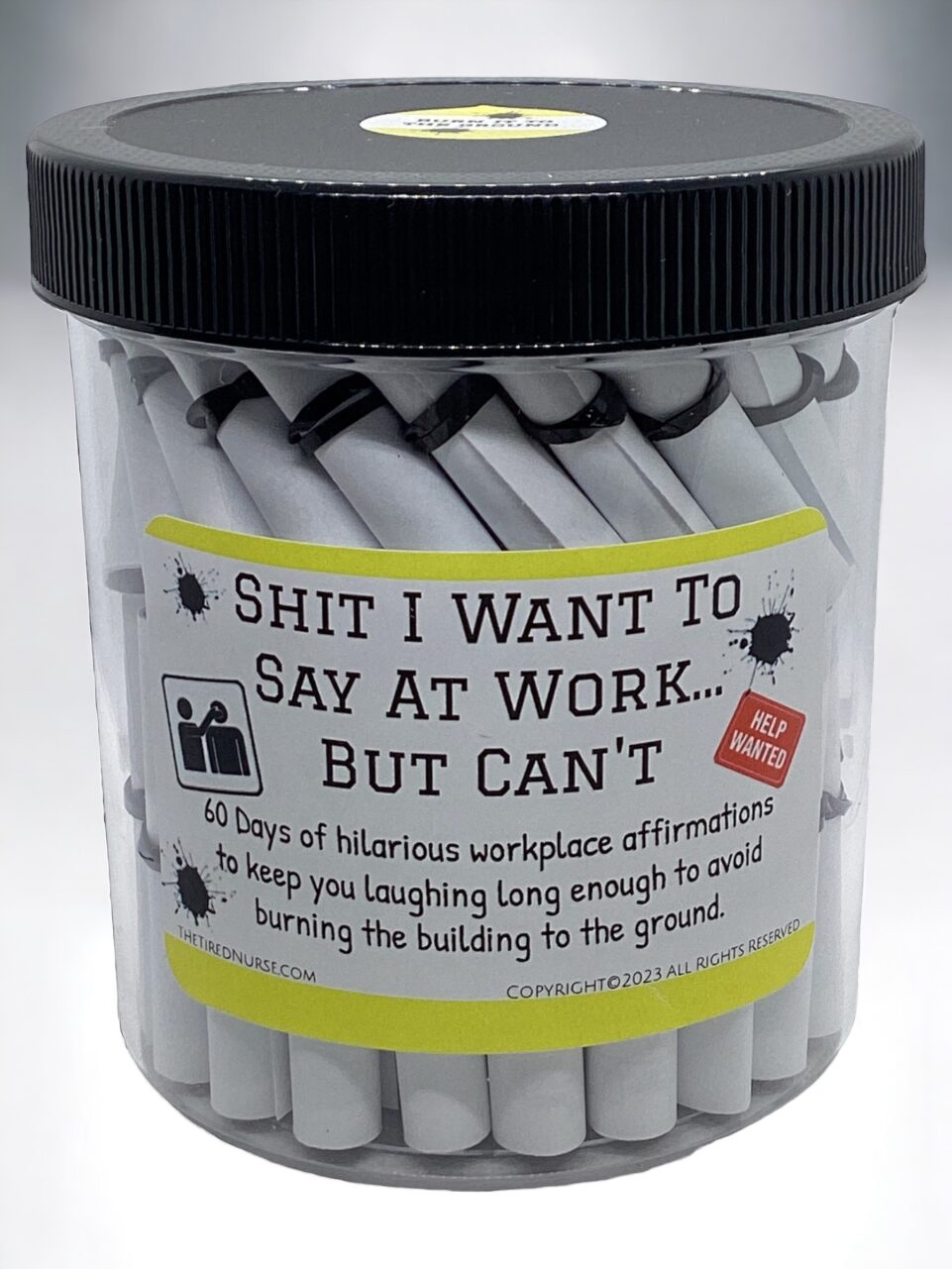
A coach writes a book called “Morning Affirmations for Success. ” The book contains 200 unique affirmations, each with a creative explanation and story. The book as a whole is protected by copyright, but individual simple affirmations may not be.
Example 2: Social Media Post
Someone posts “I am enough” as an Instagram caption. This phrase is too common for copyright protection.
Example 3: Guided Meditation Audio
A meditation teacher records a guided affirmation session. The script, if creative and original, is protected by copyright. Copying or using the full audio without permission is not allowed.
Example 4: Art Prints
An artist creates prints with creative affirmations and sells them online. The combination of words and original artwork is protected. Copying both together is a copyright violation.
Credit: www.shopiowa.com
How Courts Decide Affirmation Copyright Cases
If there is a legal dispute about affirmations, courts look at:
- How original and creative the phrase is
- How much of it was copied
- Whether the phrase is common or widely used
- If the collection or presentation is unique
Courts are unlikely to protect simple, common phrases. But if someone copies a whole creative book of affirmations, the original author can take legal action.
Comparing Copyright Protection In Different Countries
Copyright laws are similar in many places, but there are some differences. Here’s a brief look at how three major regions handle short phrases:
| Region | Short Phrase Protection | Collections/Creative Works |
|---|---|---|
| United States | Not Protected | Protected if original |
| European Union | Not Protected | Protected if unique |
| Australia | Not Protected | Protected if creative |
The pattern is clear: short, simple affirmations are not protected, but creative collections or presentations may be.
What Happens If Someone Copies Your Affirmations?
If someone copies your creative affirmations or a collection you wrote:
- Contact them first: A polite message often solves the problem.
- Show proof: Use your drafts or publishing dates as evidence.
- Take legal action: If needed, talk to a copyright lawyer.
But if they use a simple, common phrase, you probably cannot stop them.
Best Practices For Using And Sharing Affirmations
Whether you are a content creator, coach, or just love using affirmations, here are some tips:
- Use common affirmations freely: Simple phrases like “I am strong” are free to use.
- Credit the creator: If you use a unique affirmation from a book or artist, give credit or ask for permission.
- Avoid copying collections: Do not copy large groups of affirmations from books, websites, or products.
- Create your own: Write affirmations in your own voice for the most freedom and originality.
- Check trademark status: If you want to use an affirmation as your brand, search for trademarks first.
Two Hidden Insights About Affirmation Copyright
There are two key points many beginners miss:
- Creative Arrangement Matters: Even if single affirmations are not protected, the way you organize, design, and present them can be. For example, a unique sequence, visual layout, or thematic grouping can add enough originality for copyright.
- Derivative Works Risk: If you take an affirmation and change it a little, it does not always make it safe to use. If the original work is creative and your version is too close, you can still face legal trouble.
How To Check If An Affirmation Is Copyrighted
There is no easy way to look up a copyright for a short phrase, but you can:
- Search for the affirmation online to see if it is widely used
- Check copyright notices in books or on websites
- If the affirmation is unique and part of a product or book, treat it with care
If you are unsure, it is best to create your own or ask the creator for permission.
Citing And Crediting Affirmations
If you want to use a unique affirmation you found in a book or online:
- Give credit: Mention the author or source.
- Use quotation marks: Make it clear you are quoting.
- Ask for permission: Especially if you plan to use it in a product or for business.
These simple steps help you avoid legal issues and show respect for creative work.
The Business Of Affirmations: Commercial Use
When using affirmations for business—such as in products, courses, or advertising—copyright and trademark issues become more important. Here’s what to keep in mind:
- Simple phrases: You can use them, but so can anyone else.
- Creative collections: Get permission or create your own.
- Brand slogans: Consider trademark registration for unique phrases.
For more information about copyright and trademark law, you can visit U.S. Copyright Office.
Frequently Asked Questions
1. Can I Copyright A Single Affirmation I Wrote?
No, most single affirmations are too short or simple for copyright protection. Only creative, original expressions that show unique language may qualify. Collections or books of affirmations are more likely to be protected.
Credit: store.focusonthefamily.com
2. Is It Legal To Use Affirmations I Find Online?
If the affirmation is a common phrase, you can use it. If it is part of a unique, creative work or collection, you should ask for permission or give credit. Avoid copying large groups of affirmations from books or products.
3. Can I Trademark My Favorite Affirmation?
You can trademark an affirmation only if you use it as a brand slogan or product name, and if it is unique. Trademark protects phrases that identify the source of goods or services, not just any phrase you like.
4. What Should I Do If Someone Copies My Affirmation Book?
First, contact them and ask them to stop. Show proof that you are the original creator. If they refuse, you may need to speak with a copyright lawyer to protect your rights.
5. How Can I Create Affirmations That Are Protected By Copyright?
Focus on creativity and originality. Use unique language, metaphors, or storytelling. Arrange your affirmations in a creative collection, and consider adding your own stories or explanations to make the work more original.
Affirmations can inspire, heal, and motivate people around the world. While most single phrases are not protected by copyright, your unique voice and creative collections can be. By knowing the rules and respecting others’ work, you can share your message with confidence and peace of mind.

Credit: www.amazon.com
