

Can Affirmation Be Negative? Uncovering the Hidden Impact
Can Affirmation Be Negative
Many people believe that affirmations are always positive and helpful. We often hear about repeating positive statements to boost confidence, reduce stress, or change our mindset. But is it possible that affirmations can also have a negative side? Can repeating certain phrases actually harm us or make things worse?
This question is important, especially for those who want to use affirmations for self-improvement. In this article, we will explore the full picture. We will look at how affirmations work, when they can become negative, real-world examples, and what to do if you notice affirmations are not helping you.
Understanding Affirmations
Affirmations are short, powerful statements that people repeat to themselves, often out loud or in writing. The goal is to influence thoughts and feelings. For example, someone might say, "I am confident," or "I can handle challenges. " The idea is that by repeating these statements, we start to believe them.
This can help change our mindset, build self-esteem, and even improve mental health.
Many therapists and coaches use affirmations with their clients. They are popular in self-help books and courses. The science behind affirmations is linked to the way our brains process repeated thoughts. When we hear or say something many times, our minds are more likely to accept it as true. This is called the self-affirmation theory.
However, not all affirmations are created equal. The effect of an affirmation depends on the words used, the person saying them, and the situation. While positive affirmations can be powerful, negative affirmations can also shape our beliefs, often without us realizing.
The Hidden Power Of Negative Affirmations
Most people do not think about affirmations being negative. But every time you repeat a negative statement, you are also using an affirmation. For example, saying "I'm not good enough" or "I always fail" is a form of self-affirmation — but in a negative way.
Negative affirmations can:
- Lower self-esteem
- Increase anxiety or stress
- Make you focus on problems instead of solutions
- Strengthen limiting beliefs
These effects can become stronger if the negative statements are repeated often. Even if you do not say them out loud, thinking them in your mind can have a similar impact.
How Negative Affirmations Take Hold
Negative affirmations often start as a reaction to difficult events. For example, after failing a test, a student might think, "I'm stupid," or "I'll never succeed. " If these thoughts are repeated, the student may start to believe them, which can affect future performance and motivation.
Another common source is criticism from others. If a person hears negative messages from family, friends, or teachers, they may start to repeat these messages to themselves. This can turn into a cycle of negative self-talk.
When Positive Affirmations Backfire
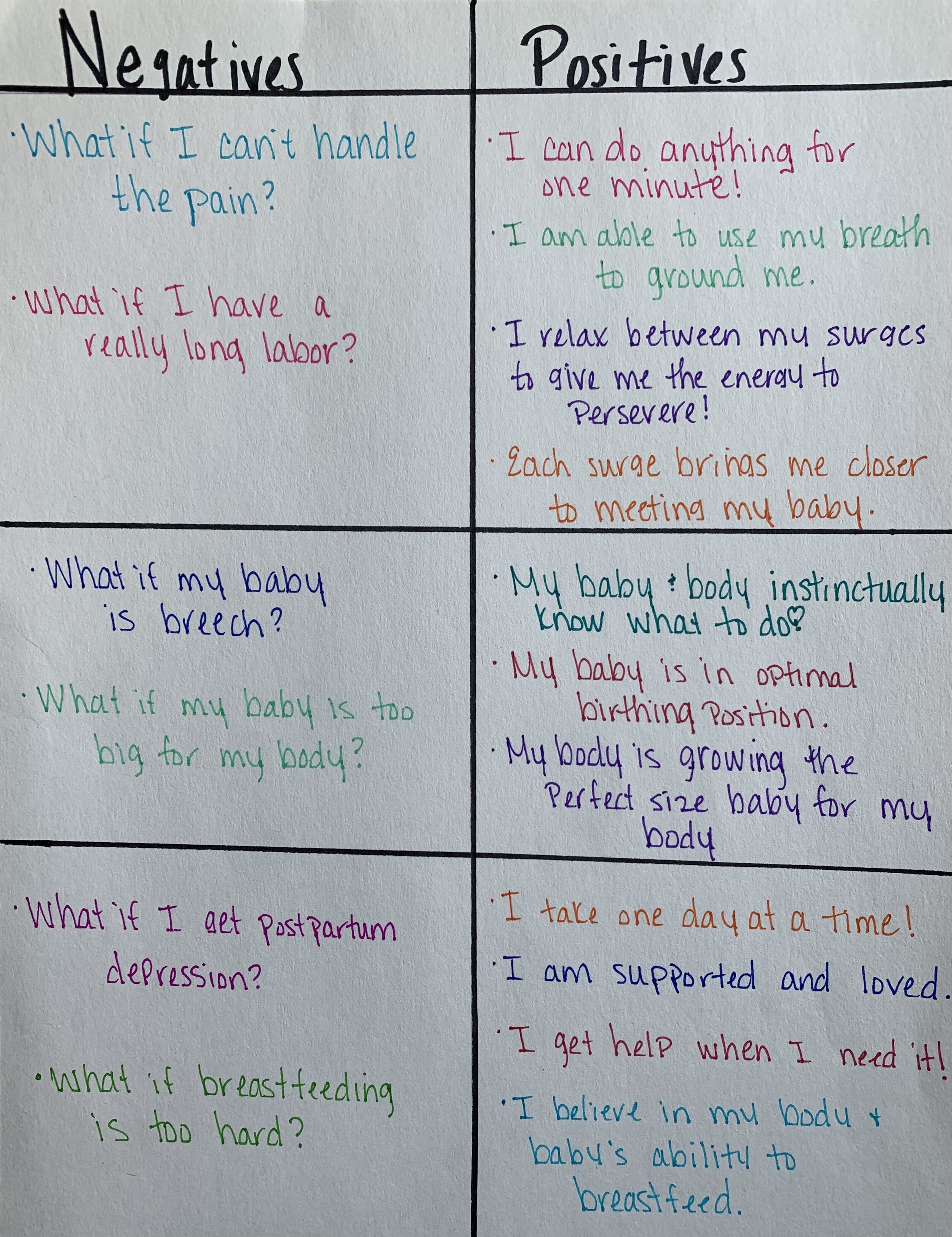
Surprisingly, even positive affirmations can sometimes have negative effects. This happens when the statement feels too far from reality. For example, a person with low self-esteem might repeat, "I am a success," but deep down, they do not believe it.
Instead of feeling better, they may feel worse because the affirmation feels false.
Research shows that for some people, positive affirmations can actually increase feelings of failure or sadness. The mind may resist statements that do not match current beliefs or experiences. This is called cognitive dissonance — a mental discomfort caused by holding two conflicting ideas.
Examples Of Positive Affirmations Turning Negative
- A person says, "I am loved and accepted," but feels lonely and rejected. Instead of comfort, this phrase brings up pain.
- Someone repeats, "I am healthy and strong," while struggling with illness. The affirmation feels like a lie, causing frustration.
- An employee tells themselves, "I am successful in my career," but is facing constant setbacks. This can create more stress.
These examples show that context matters. The wrong affirmation, at the wrong time, can do more harm than good.
Comparing Positive And Negative Affirmations
It is important to see the differences and similarities between positive and negative affirmations. The following table highlights some key points:
| Aspect | Positive Affirmation | Negative Affirmation |
|---|---|---|
| Purpose | Builds confidence, encourages growth | Lowers self-worth, limits growth |
| Impact on Mood | Can improve mood if believable | Often increases sadness or anxiety |
| Long-term Effect | Can create positive habits and beliefs | Can reinforce negative thinking patterns |
| Common Use | Self-help, therapy, motivation | Self-criticism, negative self-talk |
| Risk | May feel false or cause discomfort if not matched to reality | Can become automatic, hard to break |
This comparison shows that while affirmations are powerful, their effects depend on how and why they are used.
The Science Behind Affirmations: Positive And Negative
Many studies have explored how affirmations affect the brain and behavior. Neuroscience shows that repeated statements can change brain pathways. This process is known as neuroplasticity — the brain's ability to form new connections.
When a person repeats a positive affirmation, the brain starts to build new thought patterns. Over time, these can become automatic. However, the same process happens with negative affirmations. If you often repeat negative statements, your brain will make those thoughts easier to access.
This is why negative self-talk can feel so natural and hard to change.
Data On Affirmations
- Studies show that people who use positive affirmations feel less stress during difficult tasks.
- Those who often use negative self-talk have a higher risk of depression and anxiety.
- Positive affirmations work best when they are believable and match personal values.
- If affirmations do not fit with personal experience, they can increase negative emotions.
These findings suggest that the type of affirmation matters as much as the repetition.
Real-life Examples: When Affirmations Go Wrong
Hearing about the theory is one thing, but seeing real-life situations makes the idea clearer. Here are some examples where affirmations turned negative:
- Lisa, a university student, wanted to improve her grades. She repeated, "I am a top student," every day. But her grades did not change. Instead, she felt more pressure and disappointment. The affirmation made her focus on the gap between her wish and her reality.
- Mark struggled with weight loss. He told himself, "I am fit and active," but skipped exercise and ate unhealthy food. The positive words felt fake, and he started to ignore them. Eventually, he returned to old habits, thinking, "I will never change."
- Sara faced criticism at work. She began to say, "I am always making mistakes," after every small error. This negative affirmation grew stronger, and her confidence fell. She became afraid to try new tasks, fearing more mistakes.
These cases show how the wrong affirmation can increase stress, damage self-esteem, or even block progress.
Credit: mindfulbirth.com
Subtle Signs Your Affirmations Are Negative
It is not always easy to notice when affirmations turn negative. Here are some signs:
- You feel worse after repeating affirmations
- You notice more anxiety or sadness
- The statements feel untrue or make you angry
- You avoid situations where you might fail, because affirmations feel like pressure
- Your self-talk becomes more critical
If you recognize these signs, it may be time to rethink your approach.
Why Negative Affirmations Are Hard To Spot
Negative affirmations do not always sound extreme. Sometimes, they are simple phrases that people say every day, such as:
- "I'm just unlucky."
- "Nothing ever works out for me."
- "I can't do this."
- "I'm not smart enough."
Because these phrases feel familiar, they can be hard to notice. People may even believe that they are being "realistic" or protecting themselves from disappointment. But over time, these statements become powerful beliefs.
Another problem is that negative affirmations can hide inside humor or jokes. For example, someone might laugh and say, "I'm terrible at this," but the message still affects their self-image.

Credit: x.com
The Role Of The Subconscious Mind
Affirmations, both positive and negative, work partly because of the subconscious mind. The subconscious stores beliefs and memories that shape our behavior, often without us noticing. When we repeat a message, the subconscious begins to accept it as true.
This is why negative affirmations can be so powerful. Even if you do not fully believe them at first, repetition makes them stick. Over time, the subconscious will find evidence to support the belief, making it stronger.
The good news is that this process can also work in a positive way — if you choose affirmations carefully.
How To Avoid Negative Affirmation Traps
If you want to use affirmations safely and effectively, here are some practical steps:
- Start with honesty: Choose affirmations that match your current reality or are only a small step forward. For example, instead of "I am confident," try "I am learning to be more confident."
- Notice your feelings: If an affirmation makes you uncomfortable or upset, ask yourself why. Does it feel too far from your experience? If so, adjust the statement.
- Avoid "all or nothing" phrases: Words like "always" or "never" can be risky. They make statements extreme and harder to believe.
- Balance positive with realistic: Add details that make affirmations feel true. For example, "I am making progress every day," instead of "I am perfect."
- Replace, don’t fight: Instead of trying to stop negative thoughts directly, create new positive statements to focus on.
- Write them down: Writing helps you see patterns and catch hidden negative affirmations.
- Ask for feedback: Sometimes, friends or a therapist can spot negative self-talk that you miss.
Making these changes can help you avoid the hidden dangers of negative affirmations.
The Impact On Different Groups
Affirmations do not affect everyone the same way. People from different backgrounds, ages, and personalities may respond differently.
Children And Teens
Young people are especially sensitive to affirmations. If they hear negative messages at home or school, they may repeat these statements for years. Positive affirmations can help build confidence, but only if they feel achievable.
Adults
Adults often have years of repeated beliefs. Changing negative affirmations can take time and effort. The risk of backfiring is higher if the affirmation feels fake or forced.
People With Mental Health Challenges
For those struggling with depression or anxiety, affirmations can be tricky. Positive statements may increase stress if they do not match feelings. Professional support is often needed to find the right words and approach.
Cultural Factors
Some cultures value modesty or self-criticism. In these situations, positive affirmations may feel uncomfortable or even wrong. It is important to choose statements that fit personal and cultural values.
The Role Of Social Media And Affirmations
Social media is full of affirmation quotes, images, and challenges. While many of these are positive, they can also spread unrealistic or harmful messages. For example, seeing posts like "Every day is amazing" or "Success is just a thought away" can make people feel worse when their reality does not match.
Some influencers promote affirmations as a cure for all problems, which is not realistic. This can lead to guilt or shame if people do not see results. It is important to remember that affirmations are only one tool, not a magic solution.
Credit: www.revivalkent.co.uk
When To Seek Help
If you notice that affirmations are making you feel worse, or if you are stuck in negative self-talk, it may be time to seek professional support. Therapists can help you understand why certain statements are not working and suggest better options.
Cognitive-behavioral therapy (CBT) is one method that helps people change negative thought patterns. In CBT, clients learn to notice, question, and replace negative affirmations with more balanced thoughts.
For more information, you can visit Psychology Today for expert advice and research on affirmations.
Making Affirmations Work For You
Affirmations can be helpful, but only if used with care. Here are strategies to make them more effective and avoid negative outcomes:
- Personalize your statements: Use words and phrases that mean something to you, not just popular quotes.
- Focus on progress: Celebrate small wins and steps forward.
- Combine with action: Use affirmations as motivation, but also take real steps toward your goals.
- Check your beliefs: If an affirmation feels wrong, explore why. Maybe you need to change the words or start with a smaller goal.
- Be patient: Changing thoughts takes time. Do not expect instant results.
Positive Vs. Negative Affirmations: A Quick Reference
Here is a simple reference to help you spot the difference between helpful and harmful affirmations:
| Helpful Affirmation | Harmful Affirmation |
|---|---|
| I am learning new skills. | I can’t do anything right. |
| I am making progress, even if it's slow. | I will never succeed. |
| I can try again tomorrow. | I always fail. |
| I am open to growth. | I am stuck and can’t change. |
| I accept myself as I am. | I am not good enough. |
Use this table to check your own statements and make changes if needed.
Common Myths About Affirmations
Many people believe certain myths about affirmations. Knowing the truth can help you avoid mistakes.
- Myth: Affirmations always work if repeated enough.
- Truth: If the statement does not match your beliefs, it may not help and can even backfire.
- Myth: Only positive affirmations matter.
- Truth: Negative affirmations are just as powerful and can shape your life, often without you knowing.
- Myth: Affirmations replace the need for action.
- Truth: Words alone are not enough. You still need to take steps toward your goals.
- Myth: Affirmations are only for "positive people."
- Truth: Anyone can use affirmations, but the approach must fit the person and their situation.
- Myth: More is always better.
- Truth: Quality matters more than quantity. A few well-chosen affirmations are better than many empty ones.
Strategies For Replacing Negative Affirmations
Breaking the habit of negative affirmations takes practice. Here’s how you can start:
- Identify the negative statement: Write down common negative phrases you use.
- Question the belief: Ask yourself if the statement is really true. Is there evidence for and against it?
- Create a balanced alternative: Change "I always fail" to "Sometimes things don’t go as planned, but I learn and improve."
- Repeat with intention: Say the new statement regularly, especially in challenging moments.
- Notice small changes: Look for signs that your thinking is shifting. Celebrate progress.
Over time, your brain will start to believe the new, healthier affirmations.
Non-obvious Insights Most People Miss
While many know about positive and negative affirmations, here are two deeper insights:
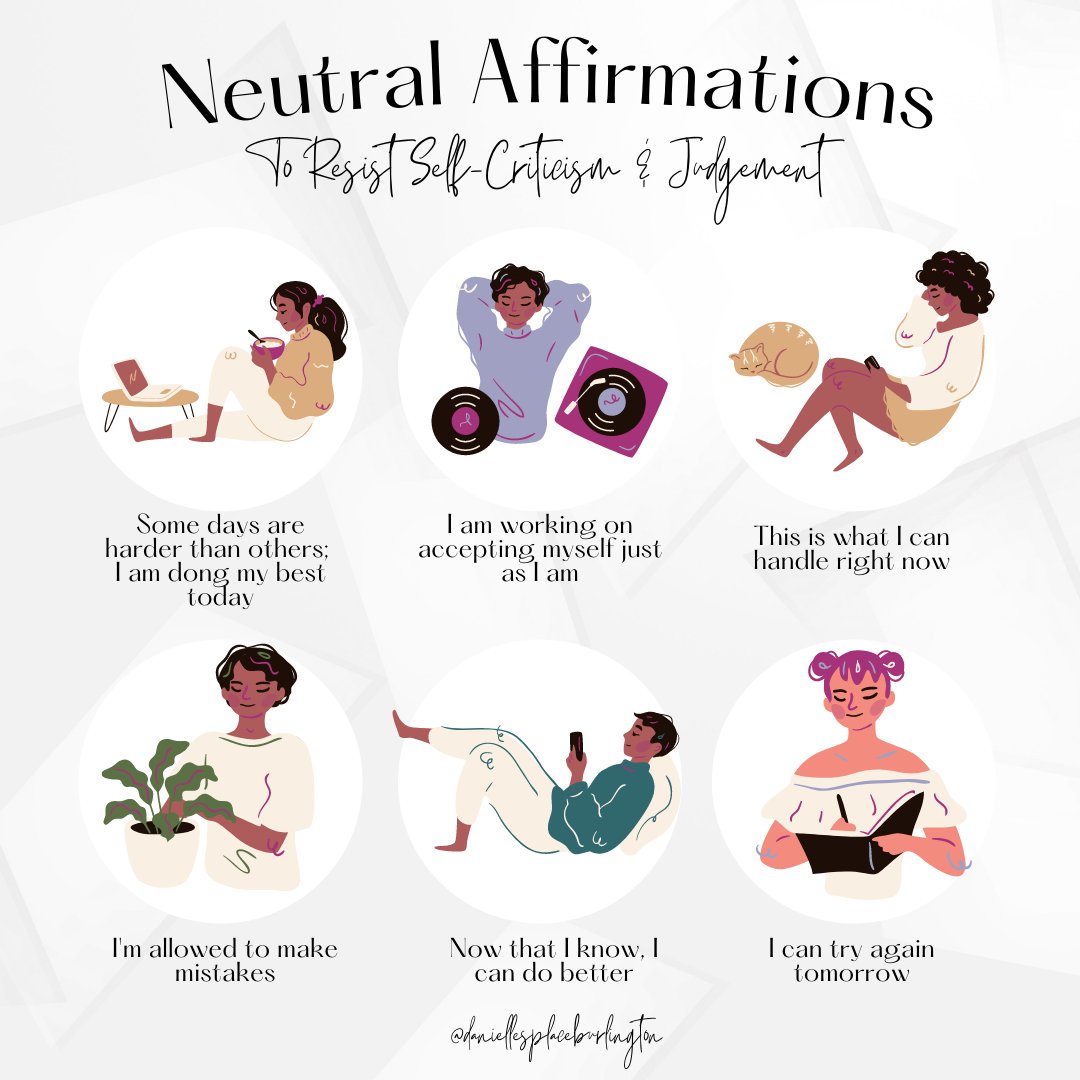
- Neutral affirmations can help: If positive statements feel too difficult, try neutral ones. For example, "I am doing my best today," is not overly positive but still better than negative self-talk.
- Affirmations influence actions, not just feelings: People often focus on how affirmations make them feel. But repeated statements also change what you do. A negative affirmation can make you avoid trying, while a positive one can encourage action.
Recognizing these points can help you choose and use affirmations more wisely.
Frequently Asked Questions
Can Negative Affirmations Really Change My Life?
Yes, negative affirmations can shape your beliefs, feelings, and actions over time. If you often repeat negative statements, you may start to believe them, which can lower confidence and motivation. This is why it's important to notice and change negative self-talk.
Why Do Positive Affirmations Sometimes Make Me Feel Worse?
If a positive affirmation feels too different from your current experience, it can create discomfort or even sadness. Your mind may reject the statement as false. In these cases, try using more realistic or neutral affirmations and focus on small steps.
How Can I Tell If My Affirmation Is Negative?
Ask yourself how you feel after saying the affirmation. If you feel sad, anxious, or discouraged, it might be negative or not a good fit. Also, look for "all or nothing" words like "never" or "always," which can make affirmations extreme and harmful.
Do I Need To Say Affirmations Out Loud For Them To Work?
Saying affirmations out loud can help, but it is not required. Writing them down or repeating them in your mind can also be effective. The most important thing is repetition and believing in the message.
What Should I Do If I Can't Stop Negative Affirmations?
If you struggle to change negative affirmations, try writing them down and creating a balanced alternative. If negative self-talk continues, consider talking to a therapist or counselor. Professional support can help you find the source of negative beliefs and suggest new strategies.
Affirmations are a tool, not a solution for everything. Used wisely, they can support growth and change. If used carelessly, they can create new problems. The key is to choose words that fit your needs, check your feelings, and be willing to adjust your approach as you learn more about yourself.
