

Best Affirmation for Health: Transform Your Wellbeing Today
Best Affirmation For Health
Many people want to feel healthy, but sometimes it is hard to stay positive. You may worry about sickness, stress, or pain. Good health is more than just physical strength—it also needs a healthy mind. Affirmations are simple sentences you say to yourself. They help you focus on good things, build confidence, and reduce fear. Using the right affirmation can change how you think about your body and your health.
This article explores the best affirmations for health and shows how to use them for better wellness. You will learn why affirmations work, find powerful examples, and discover tips for making them part of your daily routine. Real stories, expert advice, and helpful tools will guide you step by step. If you want to boost your health, change your mindset, or support your healing, this guide is for you.
What Are Health Affirmations?
Health affirmations are positive statements about your body, mind, or overall wellness. You repeat them to yourself to encourage healthy habits and thoughts. These affirmations help you change negative beliefs into positive ones. For example, instead of thinking “I am always sick,” you can say “My body is strong and healthy.”
How Affirmations Influence Health
Your thoughts shape your actions. If you believe you are healthy, you act in ways that support your health. Studies show that positive thinking can help reduce stress, improve the immune system, and support healing. When you use affirmations, you train your mind to focus on wellness, not illness.
Many experts in psychology and medicine agree that mental attitude affects physical health. Affirmations are a practical tool to build this attitude. They are not magic, but they help you change your behavior and outlook. By repeating health affirmations, you can:
- Reduce anxiety and stress
- Feel more motivated to exercise
- Make better food choices
- Support your recovery if you are sick
Why Do People Use Health Affirmations?
Some people use affirmations to help with chronic illness. Others want to stay healthy and prevent problems. Health affirmations are useful for everyone, including:
- People with health conditions (like diabetes, heart disease, or cancer)
- Those recovering from injury or surgery
- Anyone wanting to improve their wellness
Affirmations are simple, free, and safe. They work best when you use them regularly and believe in their message.
The Science Behind Affirmations
Many studies show that positive self-talk can improve health. One famous research found that people who used affirmations felt less stressed and more confident. The brain reacts to positive words by releasing chemicals that lower anxiety and boost mood.
Key Data And Studies
Here are some facts from research:
- People who practiced daily affirmations had lower blood pressure during stressful events.
- Positive thinking lowered the chance of catching common illnesses.
- Affirmations helped patients recover faster after surgery.
Doctors and psychologists recommend affirmations as a part of a healthy routine. While affirmations alone do not cure disease, they help you make better health choices and cope with challenges.
Common Mistakes When Using Affirmations
Beginners often make mistakes with affirmations. Here are a few to avoid:
- Using negative words: Saying “I am not sick” focuses your mind on sickness. It is better to say “I am healthy.”
- Not believing the words: If you do not believe your affirmation, it will not help. Choose statements that feel true or possible.
- Forgetting to repeat: Affirmations work when you say them often. Make them part of your daily routine.
Credit: blog.gratefulness.me
Best Health Affirmations To Use
There are many affirmations for health. The best ones fit your needs and feel meaningful. Here are powerful examples for different goals.
For Physical Health
- My body is strong and healthy.
- Every cell in my body is filled with energy.
- I am grateful for my healthy body.
- I choose foods that nourish and heal me.
- I enjoy moving my body every day.
These affirmations help you focus on strength, energy, and gratitude. They are useful for people who want to improve their physical health.
For Healing And Recovery
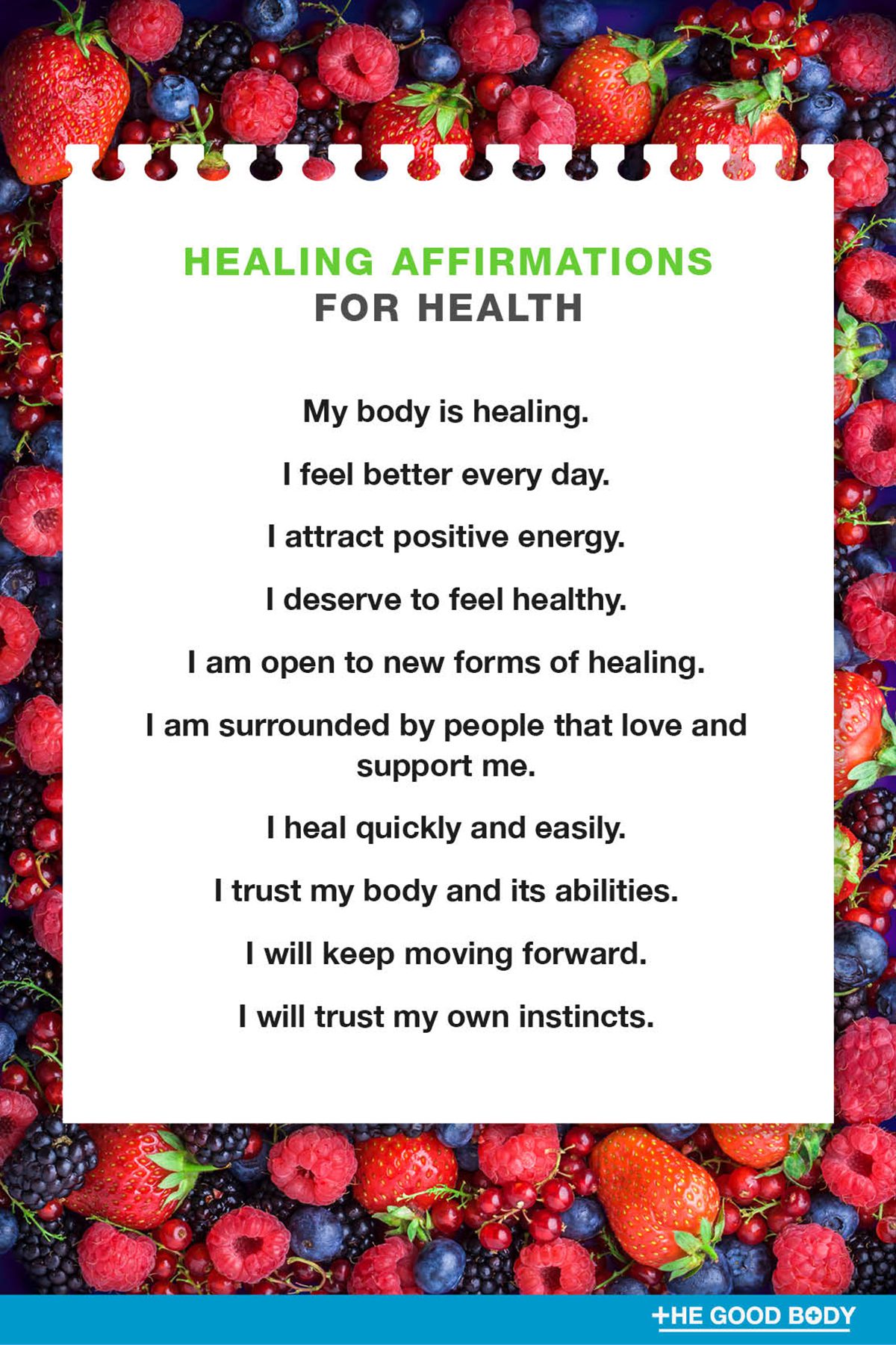
- My body is healing every day.
- I trust the process of recovery.
- I am patient with myself as I heal.
- I send love and kindness to my body.
- I allow myself to rest and recover.
If you are recovering from illness or injury, these affirmations support your healing. They remind you to be gentle and patient.
For Mental And Emotional Health
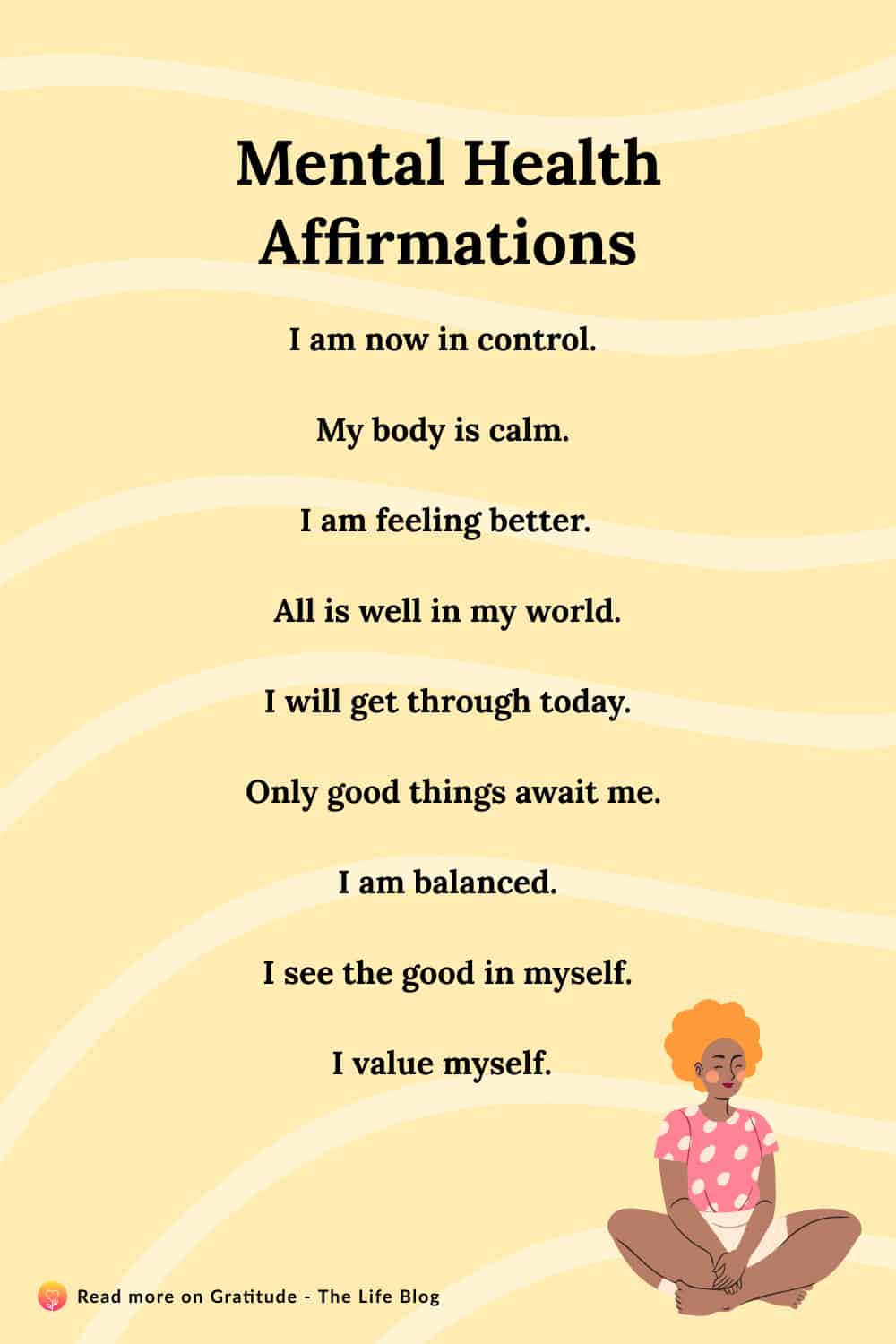
- I am calm and relaxed.
- I release stress and welcome peace.
- My mind is clear and focused.
- I am kind to myself and others.
- I choose happiness and positivity.
Mental health is as important as physical health. These affirmations help you build a positive mindset and emotional balance.
For Healthy Habits
- I enjoy living a healthy lifestyle.
- I make good choices for my health.
- I am disciplined and motivated.
- I value my health and wellness.
- I am open to learning new healthy habits.
Use these affirmations to stay motivated. They encourage you to keep healthy routines and try new things.
Personalized Affirmations
The most effective affirmations are personal. You can create your own by following these steps:
- Think about your health goals.
- Use positive words.
- Make the statement present tense.
- Keep it simple and clear.
For example: “I am grateful for my strong heart” or “I enjoy daily exercise.”
How To Use Health Affirmations
Many people ask how to use affirmations for best results. Here are practical steps and tips.
Step-by-step Guide
- Choose your affirmation: Pick one that fits your goal and feels true.
- Repeat it daily: Say your affirmation in the morning and before bed.
- Speak with feeling: Believe in the words. Say them with confidence.
- Write it down: Keep your affirmation in a journal, on your phone, or on sticky notes.
- Visualize the result: Imagine yourself healthy and happy.
- Combine with action: Follow healthy habits to support your affirmation.
Best Times To Use Affirmations
- Morning: Start your day with positive energy.
- Before sleep: End your day with peace.
- During stress: Calm your mind and body.
- When facing challenges: Boost your motivation.
Common Mistakes And Solutions
Some people feel awkward or doubtful when starting affirmations. Here’s how to fix common problems:
- If you feel silly, try saying your affirmation silently or writing it.
- If you do not believe the words, adjust the statement. For example, “I am learning to be healthy” instead of “I am perfectly healthy.”
- If you forget to repeat, set a reminder or use a habit tracker.
Health Affirmations Vs. Other Positive Techniques
Affirmations are only one tool for positive thinking. People often ask how they compare to other methods. Here is a simple comparison:
| Technique | Main Focus | How to Use | Best For |
|---|---|---|---|
| Affirmations | Positive self-talk | Repeat statements daily | Changing beliefs |
| Meditation | Calm mind | Breathe and focus | Stress relief |
| Visualization | Picture goals | Imagine healthy self | Motivation |
| Journaling | Reflect and track | Write thoughts | Self-awareness |
Affirmations work well with other tools. For example, you can meditate and repeat affirmations at the same time.
Real-life Examples And Stories
Many people use health affirmations and see real results. Here are some stories and insights.
Example 1: Overcoming Chronic Pain
A woman with chronic back pain started using the affirmation “My body is healing every day. ” She repeated it each morning. Over time, she noticed less pain and more hope. She also began gentle exercise and healthy eating. The affirmation helped her stay positive and motivated.
Example 2: Building Healthy Habits
A man wanted to lose weight and get fit. He used “I enjoy living a healthy lifestyle. ” He posted this on his fridge and repeated it before meals. It helped him make better food choices and exercise more. He felt proud of his progress.
Example 3: Coping With Anxiety
A teenager struggled with anxiety and stress. He used “I am calm and relaxed” during exams and stressful moments. The affirmation helped him focus and stay calm. He shared the technique with friends, who also felt better.
Non-obvious Insights
Some beginners miss these key points:
- It is normal if your affirmation feels strange at first. Comfort comes with practice.
- Combining affirmations with action (like exercise or healthy eating) makes them much more effective.
How To Create Your Own Health Affirmations
Personal affirmations feel stronger. Here’s how to make one:
Step 1: Choose Your Goal
Decide what you want—more energy, recovery, peace, or strength.
Step 2: Use Positive Words
Avoid negatives. Say “I am healthy,” not “I am not sick. ”
Step 3: Make It Present Tense
Use “i Am” Or “i Have,” Not “i Will Be.”
Step 4: Keep It Simple
Short sentences are easier to remember and repeat.
Step 5: Add Emotion
Include Words That Matter To You—like “grateful,” “peaceful,” Or “strong.”
Here are some examples:
- “I am grateful for my healthy mind.”
- “I feel strong and energetic today.”
- “My body is recovering with each breath.”
Measuring The Impact Of Affirmations
Some people wonder how to check if affirmations work. Here’s how to measure impact.
Tracking Your Progress
Keep a journal. Write your affirmation and note any changes in mood, health, or habits. Over weeks, you may see:
- More positive thoughts
- Better motivation
- Improved health habits
Comparing Health Changes
Here’s a simple table to compare before and after using affirmations.
| Before Affirmations | After 30 Days |
|---|---|
| Low energy | More energy |
| Negative self-talk | Positive mindset |
| Poor eating habits | Healthier choices |
| High stress | Lower stress |
Improvement may be slow, but small steps matter. If you do not see big changes, check if you are repeating affirmations daily and believing in them.
Tips For Making Affirmations Work
Many people want faster results. Here are expert tips for using affirmations effectively.
- Consistency is key: Repeat your affirmation every day. The more you say it, the stronger it becomes.
- Add actions: Support your words with healthy habits. If your affirmation is about energy, add exercise or better sleep.
- Visualize: Imagine your healthy self while saying your affirmation.
- Stay patient: Changes may take time. Do not give up too soon.
- Customize: Adjust your affirmation if it feels wrong. Make it fit your needs.
Some beginners miss the value of visualization. Picture yourself healthy while repeating the affirmation. This builds motivation and belief.
Common Questions And Misunderstandings
Many people feel unsure about affirmations. Let’s clear up some confusion.
Do Affirmations Cure Illness?
Affirmations do not cure disease. They support your mental health and help you make better choices. For serious illness, always follow medical advice.
What If I Do Not Believe My Affirmation?
You can adjust your affirmation. Say “I am learning to be healthy” instead of “I am healthy. ” With time, belief grows.
How Long Does It Take To See Results?
Results vary. Some people notice changes in days. Others take weeks or months. Be patient and keep repeating.
Can Children Use Health Affirmations?
Yes! Children can use simple affirmations like “I am strong” or “I am happy. ” It helps build confidence and positivity.
Are Affirmations Safe?
Affirmations are safe for most people. If you have mental health concerns, talk to a doctor or therapist.
Health Affirmations For Specific Needs
Some health goals need special affirmations. Here are examples for common situations.
For Weight Loss
- “I enjoy nourishing my body with healthy foods.”
- “I am proud of my healthy choices.”
- “My body is reaching its ideal weight.”
For Stress Relief
- “I release tension and welcome calm.”
- “Peace fills my mind and body.”
- “I am in control of my emotions.”
For Chronic Illness
- “I am strong, even during tough times.”
- “My body is working to heal itself.”
- “I find joy in small moments.”
For Pregnancy
- “My body is nurturing new life.”
- “I am calm and confident during pregnancy.”
- “I trust my body’s wisdom.”
Health Affirmations In Different Cultures
Affirmations are used around the world. Many cultures use positive statements for health and healing.
Examples From Around The Globe
- In Asian cultures, people use phrases like “I am balanced and peaceful.”
- In African traditions, affirmations focus on community and strength: “We are strong together.”
- Western cultures use individual affirmations: “I am healthy and happy.”
Affirmations fit any culture. You can adapt them to your language and beliefs.
Credit: www.thegoodbody.com
Combining Affirmations With Other Wellness Tools
Affirmations work best with other healthy habits. Here’s how to combine them.
With Meditation
Meditate for five minutes, then repeat your affirmation. This calms your mind and builds focus.
With Exercise
Say your affirmation before or during exercise. For example, “I am strong and energetic” while walking.
With Healthy Eating
Repeat your affirmation before meals. “I choose foods that nourish me” helps you make better choices.
With Journaling
Write your affirmation in a journal each day. Record your progress and feelings.
Comparing Popular Health Affirmations
Some affirmations are more common than others. Here’s a comparison of popular options.
| Affirmation | Main Benefit | Best Used For |
|---|---|---|
| “My body is strong and healthy.” | Physical strength | General wellness |
| “I am calm and relaxed.” | Stress relief | Mental health |
| “I choose foods that nourish me.” | Healthy eating | Weight loss, nutrition |
| “I am healing every day.” | Recovery | Illness, injury |
| “I am grateful for my healthy body.” | Gratitude | Building positive attitude |
Choose the affirmation that fits your goal. Adjust the words if needed.
How To Stay Motivated With Health Affirmations
Sometimes motivation fades. Here are ways to keep going:
- Change your affirmation every few weeks to stay fresh.
- Share affirmations with friends or family.
- Set reminders on your phone.
- Celebrate small wins—like making a healthy meal or going for a walk.
- Join a group or community for support.
Resources For Learning More
If you want to go deeper, there are books, podcasts, and websites about health affirmations. One trusted source is Psychology Today. It offers articles and expert advice on positive thinking and mental health.

Credit: www.amazon.com
Frequently Asked Questions
What Is The Best Affirmation For Health?
The best affirmation fits your personal goal. Popular examples include “My body is strong and healthy” and “I am healing every day.” Choose one that feels true and meaningful for you.
How Many Times Should I Repeat A Health Affirmation?
Most experts suggest repeating your affirmation 2–3 times daily—morning, evening, and during stress. Consistency is more important than the exact number.
Can Health Affirmations Help With Chronic Illness?
Yes, affirmations can support your mental health and motivation. They help you stay positive and cope with challenges. For medical treatment, always follow your doctor’s advice.
Is It Better To Say Affirmations Out Loud Or Silently?
Both ways work. Saying affirmations out loud builds confidence, but you can also repeat them silently or write them down. Choose what feels comfortable.
How Do I Know If My Health Affirmation Is Working?
Track your mood, habits, and health in a journal. Look for small improvements—like better energy, positive thinking, or healthier choices. Affirmations work best over time.
If you want to improve your health, affirmations are a simple but powerful tool. They help you build a positive mindset, support healthy habits, and boost motivation. Remember: choose the right affirmation, repeat it daily, and combine it with action. With patience and belief, you can create real change in your health and your life.
