

Best Affirmation Books: Transform Your Mindset and Life
Best Affirmation Books: A Complete Guide To Transformative Reading
Positive affirmations have become a powerful tool for personal growth, self-confidence, and even healing. For many, the right words can change a mindset, inspire action, or simply help start the day on a positive note. But with so many affirmation books available, it’s easy to feel lost about which ones truly deliver helpful, practical value.
Whether you are new to affirmations or looking for a deeper practice, this guide explores the most impactful affirmation books, what makes each unique, and how to choose the right one for your journey.
Why Affirmation Books Matter
Reading affirmation books is not just about repeating positive statements. It’s about shaping your beliefs, building mental strength, and creating new possibilities in your life. While affirmations can be found everywhere—from social media to sticky notes—books offer a deeper experience.
They provide background, structure, and often, practical exercises that help you apply affirmations to real-life situations. Some readers notice shifts in their thinking after just a few days of consistent practice, while others use these books as part of a long-term self-care routine.
What many beginners miss is that the most effective affirmation books are not always the most popular. Instead, the best results come from books that match your needs, speak to your challenges, and offer methods that fit your lifestyle. Let’s explore the top affirmation books that have helped people worldwide find their inner strength and peace.
1. You Can Heal Your Life By Louise Hay
Louise Hay’s classic is often the first book people recommend when discussing affirmations. More than just a collection of positive statements, this book dives into the connection between the mind and body. Hay explains how our beliefs and thoughts can shape our health and life experiences.
She offers practical advice for changing negative patterns, along with affirmations tailored for different areas—self-love, relationships, work, and health.
A key insight is Hay’s focus on forgiveness and self-acceptance. Many readers miss the importance of these steps before affirmations can truly work. The book also includes personal stories and exercises, making it accessible even if you are new to the world of affirmations.
2. The Miracle Morning By Hal Elrod
This book is not just about affirmations—it’s about creating a morning routine that transforms your day. Hal Elrod introduces the concept of SAVERS: Silence, Affirmations, Visualization, Exercise, Reading, and Scribing. The affirmations section is easy to follow, with examples and instructions on creating personalized statements.
What stands out is the practical approach: Elrod encourages you to speak your affirmations out loud every morning. This active practice helps build new habits and beliefs much faster. Beginners often overlook the power of consistency, but Elrod’s method emphasizes daily repetition for lasting change.
3. The Power Of Positive Thinking By Norman Vincent Peale
A cornerstone in the world of self-help, this book teaches that positive thoughts and affirmations can lead to a happier, more successful life. Peale’s approach blends spiritual wisdom with practical advice, making it suitable for those who appreciate both faith-based and secular perspectives.
One non-obvious insight is Peale’s use of visualization alongside affirmations, showing how imagining positive outcomes can reinforce your spoken words. The book offers real-life examples and easy-to-remember affirmations, making it a timeless resource.
4. Affirmations: The Power Of Affirmations & The Secret To Their Success By Louise Stapely
Louise Stapely’s book is a straightforward guide to understanding and using affirmations effectively. She explains the science behind why affirmations work, breaking down complex ideas into simple language. This is especially helpful for non-native readers or anyone new to self-development.
A unique aspect is the book’s focus on common mistakes—like using affirmations that feel unbelievable or too generic. Stapely provides tips to tailor affirmations so they feel authentic and motivating, rather than empty words.
5. The Daily Stoic By Ryan Holiday And Stephen Hanselman
While not a traditional affirmation book, The Daily Stoic offers 366 daily meditations from ancient Stoic philosophers. Each page includes a quote, explanation, and a practical thought for the day. These can easily be used as affirmations for resilience, discipline, and calm.
What makes it special is the mix of ancient wisdom with modern context. Many people overlook the value of philosophical affirmations—simple, timeless truths that help you manage stress and uncertainty.
6. The Game Of Life And How To Play It By Florence Scovel Shinn
Florence Scovel Shinn’s writing is clear and direct, making her teachings easy to apply. This book is filled with affirmations for success, love, and prosperity. Shinn explains the importance of spoken words and how they shape our experiences.
A key takeaway is her advice to “act as if” your affirmations are already true. This mental shift helps you develop confidence and a sense of possibility. The book also offers practical examples from Shinn’s coaching experience.
7. I Can Do It: How To Use Affirmations To Change Your Life By Louise Hay
Another gem from Louise Hay, this book is a concise guide focused entirely on affirmations. It includes affirmations for different areas—health, work, relationships, and self-esteem. Hay’s writing is warm and encouraging, making it easy to start your affirmation practice.
The book also provides tips for making affirmations more effective, like writing them down and repeating them daily. Many beginners skip these steps, but Hay shows how small actions add up to big changes.
8. The Self-love Experiment By Shannon Kaiser
Shannon Kaiser’s book blends personal stories with practical exercises. The focus is on building self-love through affirmations and positive habits. Kaiser shares her struggles with self-worth and how affirmations helped her transform her mindset.
What’s unique is the book’s emphasis on experimentation—trying different affirmations and techniques to find what works for you. Many readers miss the value of adjusting their practice instead of sticking to a single script.
9. Think And Grow Rich By Napoleon Hill
Though best known as a business and success book, Think and Grow Rich includes powerful affirmations for abundance and achievement. Hill explains how autosuggestion—repeating positive statements—can shape your beliefs and actions.
A non-obvious insight is Hill’s advice to connect emotion with your affirmations. Just saying words is not enough; you need to feel them. This emotional connection is often the missing link for many readers.
10. The Four Agreements By Don Miguel Ruiz
This book introduces four simple but profound agreements you make with yourself, which can be used as daily affirmations. They are: Be impeccable with your word, Don’t take anything personally, Don’t make assumptions, and Always do your best.
What stands out is Ruiz’s focus on personal freedom—using these affirmations to break free from self-limiting beliefs. The book offers practical advice and examples for applying each agreement.
11. Good Vibes, Good Life By Vex King
Vex King’s book is a modern guide to self-love, positive thinking, and affirmations. King shares his own journey from difficult beginnings to happiness and success, making the book relatable for younger readers.
A unique feature is King’s use of social media-style affirmations—short, memorable, and easy to integrate into daily life. He also explains why some affirmations don’t work and how to fix them.
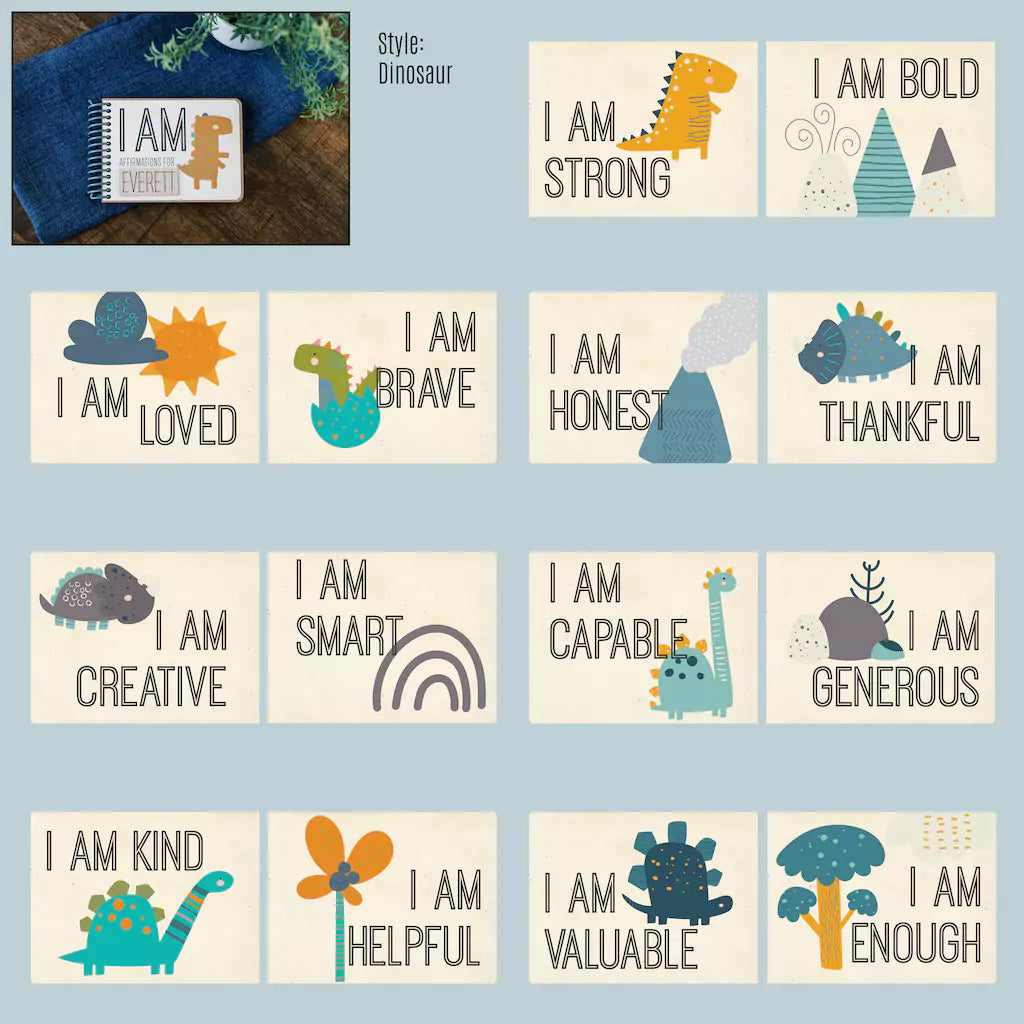
Credit: inawehandmade.com
12. The Success Principles By Jack Canfield
Jack Canfield, co-author of Chicken Soup for the Soul, presents a detailed guide to achieving success. Affirmations are a key part of his method, with clear steps for writing and using them.
Canfield provides specific formulas for effective affirmations and encourages readers to review their progress regularly. He also shares real-life stories of people who changed their lives using positive statements.
13. Mirror Work: 21 Days To Heal Your Life By Louise Hay
Mirror Work is a focused, hands-on program for self-love and healing. Louise Hay guides readers through 21 days of affirmations, each designed to be said in front of a mirror.
The mirror technique is often overlooked, but it can make affirmations feel more real and powerful. Hay explains why facing yourself helps break through resistance and self-doubt.
Credit: www.kidsforculture.com
14. The Little Book Of Affirmations By Gilly Pickup
This pocket-sized book is perfect for quick inspiration. It includes hundreds of affirmations for different moods and situations—stress, gratitude, confidence, and more.
A helpful feature is the variety of topics, making it easy to find an affirmation for any moment. The book’s small size encourages daily use, even on busy days.
15. The Secret By Rhonda Byrne
The Secret popularized the Law of Attraction, teaching that positive thoughts and affirmations attract good things into your life. The book includes real stories of people who changed their circumstances through focused thinking.
One non-obvious insight is Byrne’s advice to combine affirmations with visualization—seeing and feeling your goals as already achieved. This combination can boost motivation and belief.
16. The Magic Of Believing By Claude M. Bristol
This book explores the science and psychology behind belief and positive thinking. Bristol explains how to use affirmations to change your mindset and achieve your dreams.
A unique aspect is the focus on mental pictures—creating clear, detailed images in your mind alongside affirmations. Bristol also discusses why persistence is key to making affirmations work.
17. The Compassionate Mind Approach To Building Self-confidence By Mary Welford
Mary Welford offers a blend of affirmations and compassion-focused therapy techniques. The book helps you develop self-kindness, reduce self-criticism, and build lasting confidence.
Welford’s approach is especially helpful for those who struggle with self-doubt. She provides exercises that pair affirmations with mindful awareness, something many other books overlook.
18. The Affirmation Handbook By Amanda Goldston
This comprehensive guide covers everything from the basics of affirmations to advanced techniques. Goldston includes affirmations for health, wealth, relationships, and more.
A standout feature is the section on customizing affirmations—creating statements that match your exact goals and challenges. The book also offers troubleshooting tips for when affirmations seem ineffective.
19. Unfuk Yourself: Get Out Of Your Head And Into Your Life By Gary John Bishop
Gary John Bishop’s book uses tough love and blunt language to help you break free from negative thinking. While not a traditional affirmation book, it includes powerful statements you can use daily.
What makes it unique is the emphasis on action-oriented affirmations—not just thinking positive, but doing positive. Bishop encourages readers to challenge their limits and take practical steps toward change.
20. 365 Days Of Positive Self-affirmations By Jenny Kellett
This book provides a new affirmation for every day of the year, making it easy to build a consistent habit. Each affirmation is simple and uplifting, suitable for all ages.
A helpful feature is the daily structure, which keeps you engaged and focused. The book also suggests ways to reflect on your progress and adjust your affirmations as your needs change.
How To Choose The Right Affirmation Book For You
With so many choices, it can be difficult to know where to start. Here are some practical tips to help you find the book that will be most helpful for your situation:
- Identify your main goal: Are you looking for more confidence, healing, success, or self-love? Pick a book that focuses on your top priority.
- Consider your learning style: If you enjoy daily routines, choose a book with structured exercises or a day-by-day format. If you prefer variety, look for books with a wide range of topics.
- Check for practical tools: The best books offer more than just words. Look for guidance on how to write, speak, and use affirmations in real life.
- Read sample pages: Many books are available online with previews. Skim a few pages to see if the tone and style suit you.
- Be open to experimenting: Sometimes the first book you choose may not click. It’s normal to try a couple of different approaches before finding what works best.
Comparing Popular Affirmation Books
To help you decide, here’s a comparison of some key features across popular affirmation books.
| Book | Focus Area | Best For | Unique Feature |
|---|---|---|---|
| You Can Heal Your Life | Healing, Self-Love | Emotional healing | Mind-body connection |
| The Miracle Morning | Daily Routine, Success | Morning motivation | SAVERS method |
| The Power of Positive Thinking | Optimism, Faith | Spiritual growth | Visualization + affirmations |
| The Daily Stoic | Resilience, Wisdom | Philosophical readers | Ancient quotes as affirmations |
| Good Vibes, Good Life | Self-Love, Modern | Young adults | Social media-style affirmations |
Advanced Tips For Using Affirmation Books
Choosing the right book is only the first step. To get the most from your reading and practice, try these strategies:
1. Customize Your Affirmations
Books provide a great starting point, but the best affirmations are those you create yourself. Use the book’s examples as inspiration, then adjust the words to fit your unique goals and feelings. For example, change “I am confident” to “I am growing in confidence every day” if that feels more believable.
2. Combine Affirmations With Visualization
Many experts, including those in “The Secret” and “The Power of Positive Thinking,” recommend imagining your affirmations as already true. Picture yourself living the words you say. This mental imagery can make the affirmations more powerful and believable.
3. Track Your Progress
Keeping a journal can help you see how affirmations affect your mood, choices, and results. Write down your affirmations each day, along with notes about how you feel or any changes you notice. Over time, this record can motivate you to keep going.
4. Use Affirmations In Different Ways
Don’t just read your affirmations—try saying them out loud, writing them on sticky notes, or recording them as voice memos. Some people set reminders on their phones or use affirmation apps for extra support.
5. Be Patient And Consistent
Change doesn’t happen overnight. It often takes several weeks of daily practice to notice real shifts. If you feel stuck, try switching up your affirmations or reading a new chapter for fresh inspiration.
Common Mistakes When Using Affirmation Books
Even the best books can be less effective if you fall into these common traps:
- Choosing affirmations that feel fake: If the words don’t feel true, your mind may resist them. Start with statements that feel believable and build up as your confidence grows.
- Repeating affirmations mindlessly: Saying words without emotion or intention often leads to little change. Focus on the meaning behind each statement.
- Expecting instant results: Affirmations are a tool, not magic. Give yourself time and be gentle with your progress.
Table: Key Differences In Affirmation Book Approaches
Here’s a quick overview of how some books structure their affirmation practices.
| Book Title | Affirmation Style | Exercise Type | Additional Tools |
|---|---|---|---|
| Mirror Work | Mirror-based | 21-day program | Journaling prompts |
| The Self-Love Experiment | Experimentation | Personal stories | Reflection exercises |
| The Affirmation Handbook | Customizable | Step-by-step guides | Troubleshooting tips |
| 365 Days of Positive Self-Affirmations | Daily affirmations | Year-long practice | Progress tracking |
| Unfu*k Yourself | Action-focused | Direct challenges | Motivational statements |

Credit: www.amazon.com
The Science Behind Affirmations
Research in psychology shows that positive affirmations can help reduce stress, improve performance, and build self-esteem. According to a study published in the journal *Social Cognitive and Affective Neuroscience*, self-affirmation activates areas of the brain associated with self-processing and reward.
This means that when you repeat positive statements, you’re not just hoping for change—you’re actually rewiring your brain to think differently.
However, the most successful results come from affirmations that are specific, believable, and emotionally meaningful. This is why the right book—and the right approach—matter so much.
For more information on the science behind affirmations, you can visit the Wikipedia page on Affirmations.
Frequently Asked Questions
What Are Affirmations And How Do They Work?
Affirmations are short, positive statements that you repeat to yourself to build confidence, change habits, or improve your mindset. They work by creating new thought patterns and beliefs in your mind. Over time, repeating affirmations helps you focus on your goals and ignore negative self-talk.
How Do I Choose The Best Affirmation Book For My Needs?
Start by thinking about your main goal—such as self-love, healing, or success. Look for books that focus on your area of interest and offer practical exercises. Reading a few sample pages can help you see if the style fits your personality.
Can I Create My Own Affirmations Or Should I Only Use Those From Books?
You can definitely create your own affirmations. In fact, personalizing your statements often makes them more effective. Use books as inspiration, then adjust the words so they feel true and meaningful for you.
How Long Does It Take For Affirmations To Work?
Everyone is different, but most people start noticing small changes within a few weeks of daily practice. The key is consistency and patience. If you don’t see results right away, try adjusting your affirmations or the way you use them.
Are Affirmation Books Suitable For Children Or Teenagers?
Yes, many affirmation books are suitable for younger readers. Look for books with simple language and age-appropriate topics. Some books, like “Good Vibes, Good Life” or “365 Days of Positive Self-Affirmations,” are especially popular with teenagers and young adults.
Finding the best affirmation book is a personal journey, and the right choice can be a life-changing companion. With the books and strategies above, you can start building a more positive, confident, and joyful life—one word at a time.
