

Are Positive Affirmations Effective? Discover the Science Behind Success
Are Positive Affirmations Effective?
People often look for simple ways to improve their mood and confidence. One popular method is positive affirmations—short, uplifting statements you repeat to yourself. You might hear phrases like “I am strong” or “I can handle challenges.” These affirmations promise big results: more self-love, less anxiety, and better motivation. But do they really work? Or are they just feel-good words with little real impact?
This article takes a deep look at the science and practice behind positive affirmations. We'll explore what makes affirmations effective (or not), who benefits, and how to use them wisely. We’ll also look at common mistakes and answer questions people often ask.
If you want honest advice and practical examples, you’re in the right place.
What Are Positive Affirmations?
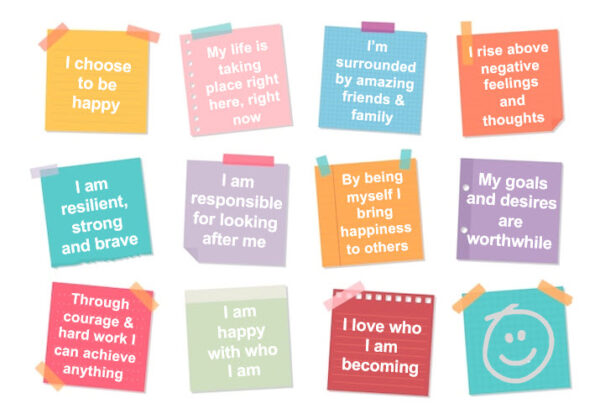
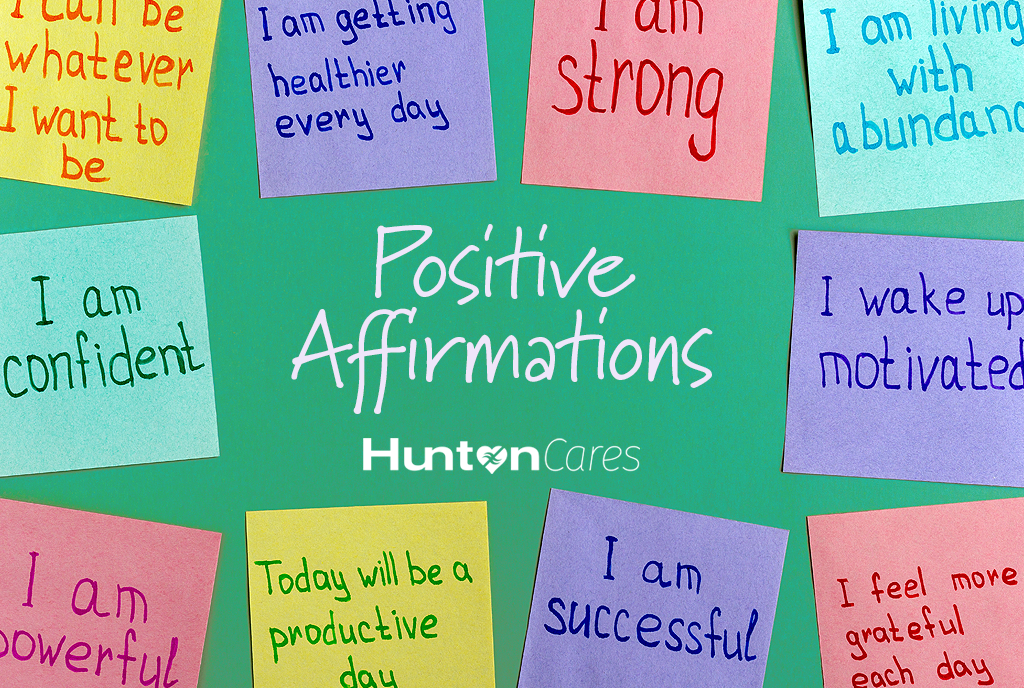
Positive affirmations are simple statements aimed at changing your thoughts and beliefs. You say or think these phrases repeatedly, hoping to shift your mindset. Examples include:
- “I am worthy of love.”
- “I believe in myself.”
- “I can overcome any obstacle.”
- “Today, I will make progress.”
Affirmations can be spoken, written, or even listened to as audio. Many people use them daily, especially in the morning or before big events. The goal is to replace negative thinking with positive, supportive ideas.
The Science Behind Positive Affirmations
Researchers have studied affirmations for years. Some find benefits, but the results are mixed. Let’s look at what science says.
How Affirmations Work In The Brain
Affirmations are based on a psychological idea called self-affirmation theory. This theory says people are motivated to protect their self-image. When you repeat positive statements, your brain tries to believe them, especially if you say them often.
Brain scans show that affirmations can activate areas linked to self-processing and reward. For example, using affirmations may trigger the ventromedial prefrontal cortex, which is connected to self-worth and motivation.
Research Findings
Studies have tested affirmations in many ways:
- Some research shows that affirmations can lower stress and improve problem-solving, especially when people face tough situations.
- Other studies find that daily affirmations help people feel more positive about themselves, but only if they already have a healthy self-image.
- For people with low self-esteem, affirmations can sometimes backfire. If you don’t believe the words, repeating them may feel fake and even make you feel worse.
Here’s a quick comparison of key findings from research:
| Study Focus | Result for High Self-Esteem | Result for Low Self-Esteem |
|---|---|---|
| Stress Reduction | Effective | Less effective or negative |
| Positive Mood | Improved | Sometimes worsened |
| Motivation | Boosted | Little impact |
Common Misunderstandings
Many believe affirmations are a magic fix. But science shows that their power depends on your starting beliefs. If you already feel good about yourself, affirmations may lift you higher. If you feel bad, repeating positive phrases without meaning can lead to frustration.
Benefits Of Positive Affirmations
When used correctly, affirmations can help in several ways. Let’s break down their main benefits:
1. Boosting Self-esteem
Repeating supportive words can help you feel more confident. If you’re already on the path to self-acceptance, affirmations reinforce your progress.
2. Reducing Stress
Some studies show that affirmations lower stress, especially before exams, interviews, or presentations. They remind you of your strengths, which calms nerves.
3. Improving Motivation
Affirmations keep you focused on goals. Saying “I am committed” or “I can succeed” helps you stay motivated during tough times.
4. Supporting Behavior Change
When you’re trying to form new habits, affirmations can help. For example, “I am making healthy choices” supports a new diet or exercise routine.
5. Enhancing Performance
Athletes and performers often use affirmations before competitions or shows. This practice helps them focus and perform better.
6. Encouraging Resilience
Affirmations teach you to bounce back after setbacks. Saying “I learn from mistakes” helps turn failure into growth.
7. Promoting Positive Thinking
Repeating positive phrases every day shifts your mindset. You start to notice good things and worry less about negatives.
Limitations And Risks
Affirmations don’t work for everyone. Here are some limitations and risks you should know:
1. Not A Cure-all
Affirmations alone won’t solve deep emotional problems or mental health issues. They are a support tool, not a full solution.
2. Can Feel Fake
If you don’t believe the affirmation, it may feel forced. For example, saying “I am beautiful” when you feel ugly can create tension and doubt.
3. May Increase Negative Feelings
For people with low self-esteem, affirmations can sometimes make things worse. Instead of feeling better, you may notice the gap between what you say and how you feel.
4. Overuse Can Lead To Frustration
Repeating affirmations too often without other actions can lead to disappointment. Real change needs more than just words.
5. Ignoring Real Issues
If you rely only on affirmations, you might avoid dealing with real problems. It’s important to combine affirmations with other self-help tools or professional support.
Credit: bniblog.co.nz
Who Benefits Most From Affirmations?
Not everyone gains from affirmations in the same way. Here’s how different groups respond:
People With Healthy Self-esteem
If you already feel good about yourself, affirmations can boost your mood and motivation. You’re more likely to believe the positive words and act on them.
People Facing Stressful Events
Students, athletes, or employees preparing for big challenges often benefit. Affirmations help them manage nerves and focus on strengths.
People Working On Habit Change
Those trying to quit smoking, eat better, or start exercising can use affirmations to support new behaviors.
People Who Use Affirmations With Other Tools
Combining affirmations with therapy, journaling, or goal-setting increases their effect.
When Affirmations Are Less Effective
People with deep self-doubt or depression may not find affirmations helpful. For these groups, affirmations can feel empty or even painful. Professional help is often needed first.
How To Use Positive Affirmations Effectively
If you want affirmations to work, you need a smart approach. Here’s how to make them more powerful:
1. Make Affirmations Personal
Choose phrases that match your real goals and values. Generic statements like “I am great” often feel empty. Instead, try “I am improving my skills every day. ”
2. Keep It Believable
Start with affirmations you can accept. For example, instead of “I am a millionaire,” say “I am open to new financial opportunities. ”
3. Use Present Tense
Affirmations are most effective when stated in the present. Say “I am confident” rather than “I will be confident. ”
4. Repeat Regularly
Consistency matters. Repeat your affirmations daily, ideally in the morning or before stressful moments.
5. Combine Words With Actions
Affirmations alone won’t change your life. Pair them with real steps toward your goals. For example, say “I am healthy” and commit to a daily walk.
6. Write Them Down
Writing affirmations helps reinforce them. Keep a journal and note your affirmations each day.
7. Use Visualization
Picture yourself living the affirmation. If your phrase is “I am calm,” imagine yourself handling stress with ease.
8. Adjust As You Grow
Change your affirmations as your life changes. Update them to match your new goals and challenges.
Practical Example
Let’s say you want to improve your public speaking:
- Start with “I am learning to speak confidently.”
- Use it before presentations.
- Pair it with practice and feedback.
Over time, your belief grows, and so does your skill.
Common Mistakes When Using Affirmations
Affirmations seem simple, but many people make mistakes. Here are pitfalls to avoid:
1. Choosing Unrealistic Statements
Saying “I am the best” when you don’t believe it can feel fake. Pick affirmations that are possible and true for you.
2. Ignoring Negative Feelings
Don’t use affirmations to cover up real pain. Face your feelings honestly. Affirmations work best when you also deal with problems directly.
3. Repeating Without Emotion
Saying affirmations without feeling won’t help. Put emotion and meaning into your words.
4. Expecting Quick Results
Affirmations take time. Don’t expect instant change. Be patient and consistent.
5. Forgetting To Take Action
Words without action lead nowhere. Use affirmations to inspire real steps.
6. Using Too Many At Once
Focus on a few key affirmations. Too many can become confusing or lose impact.
Real-life Examples And Success Stories
People use affirmations in many ways. Here are some practical stories:
Example 1: Student Facing Exams
A college student feels nervous before tests. She uses “I am prepared and calm. ” She studies hard and repeats her affirmation each morning. Her anxiety drops, and her scores improve.
Example 2: Athlete Preparing For Competition
A runner repeats “I am strong and focused” before races. He visualizes success and trains daily. The affirmation helps him push through tough moments.
Example 3: Person Building Self-esteem
A man with low confidence starts with “I am learning to value myself. ” He combines affirmations with therapy and journaling. Over time, his self-image improves.
Example 4: Professional Seeking Promotion
A worker wants a promotion. He uses “I am ready for new challenges. ” He pairs this with skill-building and networking. The affirmation keeps him motivated and confident during interviews.
Example 5: Parent Managing Stress
A mother feels overwhelmed. She repeats “I am patient and loving. ” She uses her affirmation during tough moments with her children. This helps her stay calm and positive.
Comparing Affirmations To Other Self-help Tools
Affirmations are just one tool for self-improvement. Let’s see how they compare to other methods:
| Method | Main Benefit | Best Use |
|---|---|---|
| Positive Affirmations | Boost mindset | Daily motivation |
| Visualization | Increase clarity | Goal-setting |
| Journaling | Self-reflection | Emotional processing |
| Meditation | Reduce stress | Relaxation |
| Cognitive Behavioral Therapy (CBT) | Change thinking patterns | Deep mental health issues |
Affirmations work well with these tools. Combining methods creates stronger results.
Data And Statistics
Let’s look at some numbers:
- In a survey, about 60% of people who use affirmations report feeling more positive within a few weeks.
- Around 40% say affirmations help them face stress and anxiety.
- Only 25% of people with low self-esteem find affirmations helpful without other support.
- A study found that students using affirmations before exams improved their scores by about 10% compared to those who didn’t.
These numbers show that affirmations can help, but they aren’t a solution for everyone.
Practical Tips For Creating Your Own Affirmations
Want to make your own affirmations? Here’s a step-by-step guide:
- Identify your goal. What do you want to change or improve?
- Write a positive statement in the present tense. For example, “I am organized.”
- Make it specific. Instead of “I am happy,” try “I am finding joy in daily life.”
- Keep it short and clear.
- Repeat it daily. Morning and evening are good times.
- Pair it with action. Take steps that match your affirmation.
Example Affirmations
- “I am learning new skills every day.”
- “I am comfortable speaking in groups.”
- “I am making healthy choices.”
- “I am confident in my abilities.”
- “I am open to new experiences.”
How Affirmations Fit Into Different Cultures
Affirmations are used around the world, but cultural differences affect their impact.
Western Cultures
In Western societies, affirmations focus on individual achievement and self-worth. People often use phrases like “I am successful” or “I am unique. ”
Eastern Cultures
In some Eastern cultures, affirmations may include group values. For example, “I contribute to my family’s happiness” or “I support my community. ”
Religious And Spiritual Contexts
Many religions use affirmations as prayers or mantras. These statements combine faith and positive thinking.
Key Insight
Cultural background shapes the type of affirmations people use. If you want affirmations to work, match them to your values and community.
Affirmations And Children
Children can benefit from affirmations, but their brains work differently from adults. Here’s how to use affirmations with kids:
- Keep phrases simple: “I am kind,” “I can try my best.”
- Use affirmations during daily routines, like before school or bedtime.
- Combine affirmations with encouragement and praise.
- Make affirmations fun. Use songs, games, or posters.
Studies show that children who use affirmations with support from parents and teachers develop stronger confidence and resilience.
How To Measure Success With Affirmations
It’s important to track your progress. Here’s how:
Set Clear Goals
Know what you want to achieve. For example, feel less anxious, improve grades, or build confidence.
Keep A Journal
Record your affirmations and note changes in your mood or behavior.
Notice Small Wins
Look for little improvements. Maybe you feel more relaxed or try new things.
Adjust As Needed
If an affirmation isn’t working, change it. Make it more specific or realistic.
Seek Feedback
Ask trusted friends or mentors if they notice changes in you.
Credit: anxiety-gone.com
Non-obvious Insights About Affirmations
- Subtle Impact: Affirmations often bring small changes that add up over time. You might not notice them at first, but after weeks or months, your mindset shifts.
- Context Matters: Affirmations work better when you use them in meaningful situations—before a challenge, during stress, or after a setback.
- Physical Cues Help: Saying affirmations while standing tall or looking in the mirror can boost their effect. Body language reinforces belief.
- Link to Action: Affirmations are most powerful when tied to real actions. For example, saying “I am strong” and then facing a tough task.
Comparing Affirmations: Spoken, Written, And Audio
Different ways of using affirmations can change their impact. Here’s a quick comparison:
| Type | Best For | How to Use |
|---|---|---|
| Spoken | Immediate confidence | Say aloud with emotion |
| Written | Long-term change | Journal daily |
| Audio | Relaxation or focus | Listen during routine |
Try different methods to see what works best for you.
Credit: huntongroup.com
Frequently Asked Questions
Can Affirmations Help With Anxiety?
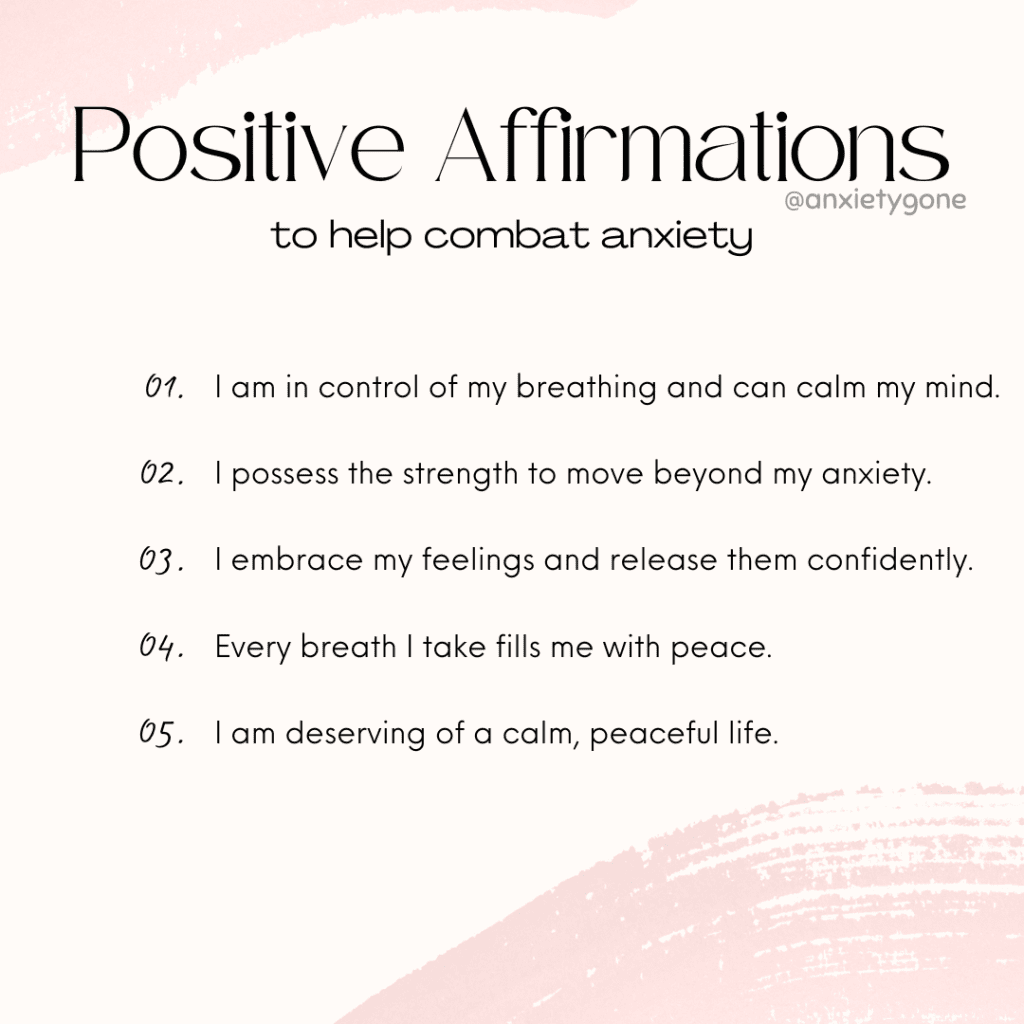
Affirmations can reduce anxiety for some people, especially when combined with breathing exercises or meditation. If anxiety is severe, professional support is important. Affirmations work best as a tool for mild stress or nervousness.
How Long Does It Take For Affirmations To Work?
Results depend on the person and situation. Some notice changes in days; others need weeks or months. The key is consistent use and pairing affirmations with actions.
Are Affirmations Useful For Depression?
Affirmations alone are not a treatment for depression. They can support recovery, but therapy and medical help are usually needed. Use affirmations as one part of a larger plan.
Can Children Use Affirmations?
Yes, children can benefit from simple, positive statements. Parents and teachers should guide them, make affirmations fun, and combine them with praise and encouragement.
Where Can I Find Research On Affirmations?
Many psychology journals and websites publish studies about affirmations. For example, you can visit Psychology Today for articles and expert opinions.
Final Thoughts
Positive affirmations are a useful tool for many people. They can boost confidence, reduce stress, and support new habits. But they are not magic. Their effectiveness depends on your mindset, belief, and the actions you take. Used wisely, affirmations can be a helpful part of your self-improvement journey. If you’re ready to try, start small, stay consistent, and combine affirmations with real steps toward your goals. Remember: words can shape your thoughts, but actions build your life.
