

Are Affirmations Effective: Unveiling the Science Behind Success
Are Affirmations Effective
Many people have heard about affirmations—positive statements you repeat to yourself. You might see them everywhere: in books, videos, social media, or even on posters. Some say affirmations can change your life. Others feel they are just empty words. So, do affirmations really work? This article will explore the science, psychology, and practical impact of affirmations. We’ll look at how they affect the mind, who benefits most, and why some people see results while others don’t. If you want honest answers, practical guidance, and facts instead of myths, keep reading.
What Are Affirmations?
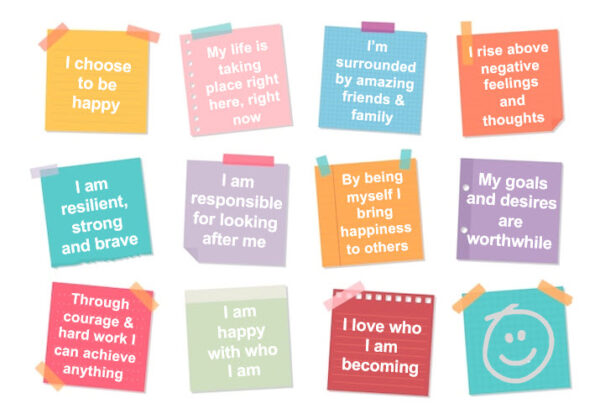
Affirmations are short, positive sentences you say or write to yourself. They usually focus on changing your thoughts, beliefs, or feelings. Examples of common affirmations include:
- "I am confident."
- "I deserve happiness."
- "I can handle whatever comes my way."
The main goal is to shift your mindset. By repeating these phrases, you aim to build more positive beliefs and improve your attitude. Many people use affirmations to boost self-esteem, reduce stress, or work toward a goal.
Affirmations can be spoken, written, or even listened to. Some people repeat them out loud in front of a mirror. Others write them in a journal, while some use audio recordings. The method often depends on personal preference.
The Science Behind Affirmations
How Affirmations Affect The Brain
Research shows that affirmations can influence how you think. The brain responds to repeated statements by strengthening certain neural connections. This is called neuroplasticity—the brain’s ability to change and adapt. When you repeat positive statements, you may build stronger beliefs in those areas.
One study showed that people who used affirmations activated parts of the brain involved in self-processing and reward. This means affirmations can help you see yourself in a better light, especially if you’re open to change.
Self-affirmation Theory
Psychologists talk about self-affirmation theory. This idea says people want to see themselves as valuable and moral. When you face stress or failure, affirmations can protect your self-image. They remind you of your strengths and values.
For example, if you fail an exam, an affirmation like "I am capable and intelligent" can help you recover faster. You may feel less threatened and more motivated to try again.
Evidence: What The Studies Show
Results from research are mixed. Some studies show positive effects, but others find little or no change. The most consistent benefits are seen in areas like:
- Reducing stress: Affirmations can lower stress in people facing challenges.
- Boosting self-esteem: They help people feel better about themselves.
- Improving performance: Students and athletes sometimes perform better after using affirmations.
However, not everyone gets the same results. The effect depends on your personality, beliefs, and how you use affirmations.
How Affirmations Work In Real Life
Changing Negative Self-talk
Most people have negative self-talk—critical or doubtful thoughts. Affirmations aim to replace these with positive messages. For example, if you often think, "I’m not good enough," you might repeat, "I am worthy and capable."
Changing your inner language can affect how you feel and act. If you believe you’re capable, you might try harder or take more risks.
Building Confidence
Many people use affirmations to build confidence. Athletes, speakers, and business leaders often repeat statements like, "I am ready," or "I trust myself." This can help them face challenges with a stronger mindset.
Confidence is not just about words. It’s about believing those words. If you repeat affirmations with emotion and conviction, you are more likely to see change.
Managing Stress And Anxiety
Affirmations can help manage stress and anxiety. When you’re nervous, repeating calming phrases can reduce tension. For example, "I am calm and in control," can help during stressful moments.
Some therapists recommend affirmations for clients with anxiety. While they are not a cure, affirmations can support other treatments.
Motivation And Goal Setting
People use affirmations to stay motivated and focused on goals. For instance, if you want to lose weight, you might say, "I make healthy choices every day." This keeps your mind on your goal and encourages positive action.
Affirmations are most effective when paired with a clear plan. Words alone may not create change, but they can support your efforts.
Who Benefits Most From Affirmations?
Not everyone responds to affirmations in the same way. Some groups see stronger effects:
- People with mild self-doubt: If you sometimes question yourself but aren’t deeply insecure, affirmations can boost your confidence.
- Those open to change: If you believe change is possible, you are more likely to benefit.
- People facing stress: Affirmations help protect your self-image during tough times.
- Athletes and performers: They often use affirmations to prepare mentally.
However, people with severe self-esteem issues or depression may not benefit as much. For these individuals, affirmations may feel false or even increase negative feelings. It’s important to choose affirmations that feel believable and realistic.
Common Mistakes When Using Affirmations
Affirmations can be powerful, but many people make mistakes that limit their effectiveness. Avoiding these errors can help you see better results.
- Choosing unrealistic statements: Saying, "I am perfect," when you feel flawed can make you feel worse. Pick phrases you can believe.
- Repeating without emotion: Words without feeling have less impact. Say affirmations with conviction.
- Ignoring action: Affirmations are not magic. Combine them with real steps toward your goal.
- Using negative language: Avoid phrases like, "I am not afraid." Instead, say, "I am courageous."
- Expecting instant results: Change takes time. Be patient and consistent.
Many beginners miss the importance of belief and emotion. If you don’t believe your affirmation, it may not help. Start with phrases that feel true, even if they are simple.
How To Create Effective Affirmations
Crafting strong affirmations is a skill. Here are practical tips to make your affirmations more effective:
- Use positive language: Focus on what you want, not what you don’t want.
- Keep it short: Simple phrases are easier to remember and repeat.
- Make it personal: Use “I” statements to connect with your own experience.
- Focus on the present: Say, "I am confident," instead of, "I will be confident."
- Choose believable statements: Pick phrases that match your current reality or goals.
Here are some examples of well-formed affirmations:
- "I am learning and growing every day."
- "I am strong enough to overcome challenges."
- "I am worthy of respect and love."
If you struggle to believe an affirmation, try making it more gradual. For example, instead of "I am confident," use, "I am becoming more confident each day. " This feels more realistic and easier to accept.

Credit: livingmarvelously.com
Real Examples: Affirmations In Action
Affirmations are used in many fields. Let’s look at some real-world examples:
Sports
Athletes often use affirmations before competitions. A runner might repeat, "I am fast and focused," to build confidence. Studies show athletes who use positive self-talk perform better under pressure.
Education
Students use affirmations to fight exam anxiety. Before a test, repeating, "I am prepared and calm," can reduce nerves and improve focus. Research supports the idea that self-affirmation helps students handle stressful situations.
Business
Leaders and entrepreneurs use affirmations to boost motivation. Before a big meeting, saying, "I am ready for success," can help them stay positive and focused.
Therapy
Some therapists include affirmations in treatment for anxiety or low self-esteem. Clients learn to replace negative thoughts with positive ones. This can support recovery and improve mental health.
Comparison: Affirmations Vs. Other Mindset Tools
Affirmations are just one tool for changing your mindset. Let’s compare them to other methods.
| Method | Main Focus | Strengths | Weaknesses |
|---|---|---|---|
| Affirmations | Positive self-talk | Easy to use, boosts confidence | Less effective if not believed |
| Meditation | Calm and awareness | Reduces stress, improves focus | Needs practice and patience |
| Visualization | Imagining success | Improves motivation | Can be hard to picture goals |
| Journaling | Reflecting on thoughts | Clarifies feelings, tracks growth | Takes time and consistency |
Each method has unique strengths. Combining them can lead to better results. For example, pairing affirmations with meditation can help you feel more relaxed and positive.
Credit: bniblog.co.nz
Data: How Often Should You Use Affirmations?
Frequency matters. Using affirmations once is not enough. Most experts recommend daily practice. Here is a simple breakdown of common routines:
| Frequency | Typical Results | Tips |
|---|---|---|
| Once a day | Gradual mindset shift | Best for beginners |
| Twice a day | Stronger confidence, faster change | Morning and evening routines |
| Multiple times a day | Deep change, higher motivation | Use during stressful moments |
The key is consistency. It’s better to use affirmations regularly than to say many at once and forget about them.
The Placebo Effect: Are Affirmations Just "fake Help"?
Some critics say affirmations work because of the placebo effect. This means you expect them to help, so they do. But is this bad? Not always.
The placebo effect is a real psychological force. If you believe something will help, your body and mind may respond positively. In the case of affirmations, this can mean more confidence, less stress, and better performance.
However, relying only on positive words can be risky. If you ignore real problems or avoid action, affirmations can become a form of denial. Use affirmations as support, not a solution for everything.
Common Misconceptions About Affirmations
Many myths surround affirmations. Let’s clear up some confusion:
- Affirmations are magic: They can help, but they aren’t instant miracles.
- Anyone can use any affirmation: It’s better to choose phrases that fit your own life.
- Repeating enough times guarantees success: Belief and action matter more than numbers.
- Affirmations fix deep problems: For serious issues, therapy or other support is needed.
Beginners often think more is better. But quality and belief are more important than quantity.
Practical Tips For Making Affirmations Work
If you want to get real results from affirmations, try these practical steps:
- Write your own: Personal phrases are more meaningful.
- Repeat daily: Make affirmations part of your routine.
- Use emotion: Feel the words as you say them.
- Visualize success: Picture yourself living the affirmation.
- Combine with action: Take real steps toward your goals.
Many people miss the importance of combining affirmations with action. Words alone can’t change your life. Use affirmations as motivation, then follow through.
Measuring Your Progress
How do you know if affirmations are working? Here are some signs:
- You feel more positive and confident.
- Negative self-talk decreases.
- You take more action toward your goals.
- Stress feels easier to manage.
Some people track their progress in a journal. Write down your feelings before and after using affirmations. This helps you see changes over time.
When Affirmations Don’t Work
Affirmations don’t help everyone. If you feel worse after repeating positive statements, you might need a different approach. Here are some reasons affirmations fail:
- The statements feel false or unrealistic.
- You have deep emotional wounds that need professional support.
- You use affirmations without action.
If this happens, try adjusting your affirmations. Make them more believable or seek help from a counselor or therapist.
Examples Of Affirmations For Different Goals
Let’s look at some specific affirmations for common goals:
Confidence
- "I trust myself to make good decisions."
- "I am proud of who I am."
Stress Relief
- "I am calm and centered."
- "I handle challenges with ease."
Motivation
- "I am committed to my goals."
- "Every day, I move forward."
Self-esteem
- "I am worthy of love and respect."
- "I accept myself completely."
Health
- "I choose healthy foods."
- "My body is strong and healthy."
If you struggle with a certain area, pick affirmations that fit your needs.
The Role Of Affirmations In Mental Health
Affirmations can support mental health, but they are not a cure. Studies show affirmations help reduce stress and improve self-esteem in some people. However, for conditions like depression or anxiety, affirmations alone may not be enough.
Mental health experts often suggest using affirmations as part of a larger plan. This can include therapy, support groups, and lifestyle changes. If you face serious challenges, seek professional help.
Table: Affirmations In Mental Health Support
| Condition | Affirmation Benefit | Recommended Approach |
|---|---|---|
| Mild stress | Reduces tension | Daily affirmations, relaxation |
| Low self-esteem | Builds confidence | Personalized affirmations |
| Anxiety | Calms mind | Combine with therapy |
| Depression | Limited effect | Professional support needed |
As you can see, affirmations work best for mild to moderate challenges. For serious mental health issues, more help is required.
Affirmations And Children
Children can benefit from affirmations too. Positive statements help kids build confidence and resilience. Parents and teachers use affirmations to encourage growth.
Examples for children:
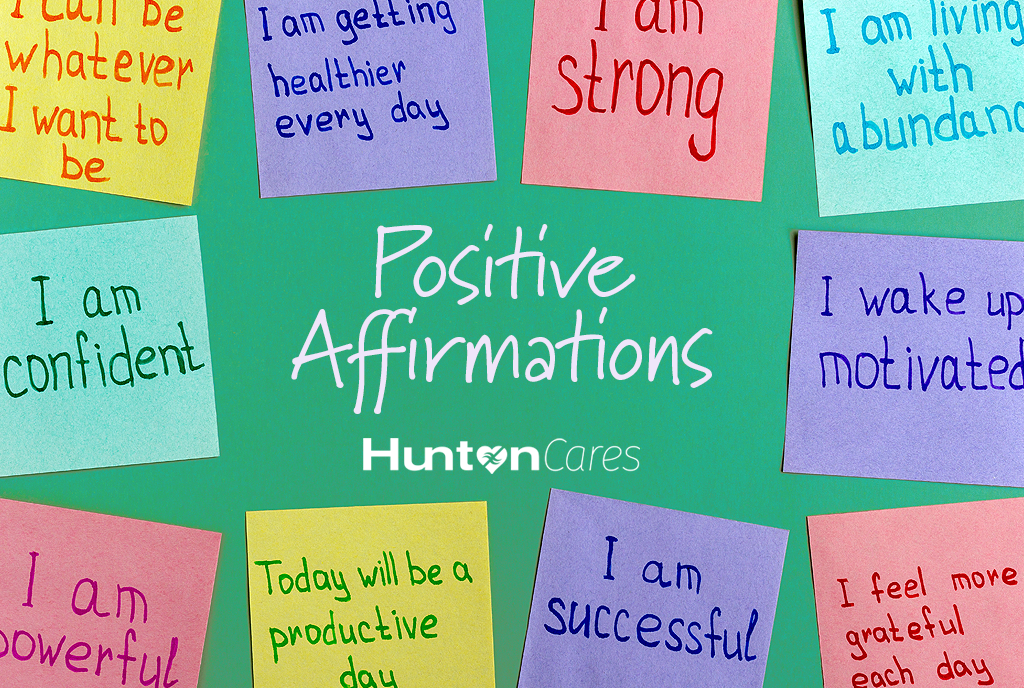
- "I am brave."
- "I can try new things."
- "I am a good friend."
It’s important to explain the meaning and help kids believe the words. Affirmations can build strong habits from an early age.
Credit: huntongroup.com
Using Technology To Support Affirmations
Today, many apps and online tools help people use affirmations. You can set reminders, listen to audio affirmations, or join groups for support. Technology makes it easier to stay consistent.
Some apps track your progress and suggest new affirmations. If you prefer a digital approach, explore tools that fit your routine.
Cultural Differences In Affirmation Use
Affirmations are popular in many cultures, but the way people use them varies. In Western cultures, self-focused affirmations are common. In Eastern cultures, affirmations may focus on family or community.
The key is to choose affirmations that match your values and beliefs. Personal meaning is more important than copying someone else.
Are Affirmations Effective? The Honest Answer
So, are affirmations effective? The answer is: sometimes. Affirmations can help you build confidence, reduce stress, and stay motivated. They work best when you believe the words and combine them with action.
However, affirmations are not a magic solution. They are a tool—not a cure. If you use them wisely, they can support your growth and well-being.
For more scientific insights, you can visit Wikipedia.
Frequently Asked Questions
What Are Affirmations?
Affirmations are positive statements you repeat to yourself to change your mindset. They help you build confidence, reduce stress, and focus on goals. You can say them out loud, write them down, or listen to recordings.
How Long Does It Take For Affirmations To Work?
Results vary. Some people notice changes in a few days, while others need weeks or months. The key is consistency and belief. Daily practice helps you see gradual improvement.
Can Affirmations Help With Anxiety Or Depression?
Affirmations can support mild anxiety or low self-esteem. For depression or severe anxiety, professional help is important. Affirmations work best when combined with therapy or other support.
What If I Don’t Believe My Affirmation?
Start with statements you can accept. For example, "I am learning to be confident," instead of "I am confident. " Gradual affirmations feel more real and help you build belief over time.
Are There Risks To Using Affirmations?
Affirmations are safe for most people. However, repeating unrealistic statements can sometimes cause frustration or negative feelings. Choose phrases that match your reality and focus on gradual change.
Affirmations are a simple but powerful tool for personal growth. Used wisely, they can help you build a positive mindset and reach your goals. Remember, belief and action matter most. If you stay consistent and choose meaningful phrases, affirmations can support you on your journey.
