

Are Affirmations Biblical? Uncovering the Truth for Christians
Are Affirmations Biblical?
People use affirmations every day to help build self-confidence, overcome fear, or reach their goals. Positive statements like “I am strong” or “I am worthy” are everywhere—in self-help books, social media posts, and even therapy sessions. But many Christians wonder: Are affirmations biblical? Does this practice fit with the teachings of the Bible, or does it come from somewhere else? The answer is not simple. To truly understand, we need to look at what affirmations are, what the Bible says about the power of words, and how these ideas connect (or don’t connect) with Christian faith.
This article explores the topic from every angle. We’ll look at the roots of affirmations, compare them with biblical teachings, and discuss how Christians can approach positive statements in daily life. If you’ve ever wondered whether using affirmations is right for your faith, this guide will help you find clear, honest answers.
What Are Affirmations?
Affirmations are short, positive statements meant to encourage a specific belief or mindset. People often repeat them to themselves—silently or out loud—hoping these words will change how they think or feel. Examples include:
- “I am confident.”
- “I can handle today’s challenges.”
- “I am loved and accepted.”
These statements are popular in self-help culture and are used to boost motivation, improve mood, or build self-worth. The idea is simple: if you say something often enough, you might start to believe it.
Where Do Affirmations Come From?
Affirmations are not new. They have roots in both ancient and modern ideas:
- New Thought movement: This philosophy teaches that positive thinking can change reality. It became popular in the Western world and inspired many self-help books.
- Eastern religions: Practices like mantras in Hinduism or Buddhism also use repeated words or phrases to shape the mind.
- Modern psychology: Cognitive Behavioral Therapy (CBT) includes techniques that challenge negative thoughts and replace them with positive ones.
While affirmations are everywhere today, they did not come from the Bible or early Christian tradition. Instead, they arrived from a mix of psychology, philosophy, and other spiritual ideas.
The Power Of Words In The Bible
One reason people connect affirmations with faith is that the Bible says words are powerful. But is this power the same as what self-help gurus talk about? Let’s look at what Scripture actually says.
Bible Verses About Words
The Bible often warns us to use our words carefully. Here are a few important examples:
- “Death and life are in the power of the tongue, and those who love it will eat its fruits.” (Proverbs 18: 21)
- “Let the words of my mouth and the meditation of my heart be acceptable in your sight, O Lord.” (Psalm 19: 14)
- “Out of the abundance of the heart the mouth speaks.” (Matthew 12: 34)
These verses show that words can build up or destroy. They reveal what is in our hearts. However, the Bible does not teach that simply saying positive things will make them happen.
Words As Expression, Not Magic
Some people believe speaking positive words can “manifest” wealth, health, or success. This is known as the law of attraction. But the Bible does not support this. Instead, Scripture teaches that God is the one with creative power. Humans use words to express faith, hope, and love—not to control reality by speech alone.
Credit: www.amazon.com
Comparing Affirmations And Biblical Declarations
Affirmations and biblical declarations may look similar. Both involve saying positive things. But their sources, purposes, and beliefs are different. Let’s break down the main differences:
| Affirmations | Biblical Declarations |
|---|---|
| Self-created statements (“I am strong”) | Based on God’s Word (“God is my strength”) |
| Focus on self-empowerment | Focus on God’s power and promises |
| May ignore reality (“I am healthy” when sick) | Acknowledge struggles, trust God in them |
| Often rooted in human will | Rooted in faith in God |
Notice that biblical declarations are not just positive words. They are truths from Scripture that remind us of who God is and what He says about us. The difference is subtle but important.
Does The Bible Use Affirmations?
Some people point out that the Bible contains positive statements. For example, the Psalms are full of faith-filled words. But are these affirmations in the modern sense?
Examples Of Positive Statements In The Bible
- “I can do all things through him who strengthens me.” (Philippians 4: 13)
- “The Lord is my shepherd; I shall not want.” (Psalm 23: 1)
- “God is our refuge and strength, a very present help in trouble.” (Psalm 46: 1)
These statements do sound positive. But notice: they are focused on God’s character and help. The writers are not simply trying to “think positive.” They are reminding themselves of God’s promises and faithfulness.
Self-identity Versus God-identity
Modern affirmations usually try to boost self-esteem by focusing on personal power. Biblical writers, on the other hand, often admit their weakness and trust in God’s strength. For example, Paul says, “When I am weak, then I am strong” (2 Corinthians 12:10). The strength comes from God, not from repeating a positive phrase.
The Dangers Of Unbiblical Affirmations
It’s tempting to use affirmations to change how we feel, especially when life is hard. But using affirmations in ways that conflict with the Bible can be risky. Here’s why:
False Security
Repeating “I am enough” or “I will succeed” might feel good for a moment. But what happens when you fail? Or when life is out of control? If your hope is in your own words, you may find yourself discouraged or lost when real problems come.
Ignoring The Reality Of Sin And Struggle
The Bible is honest about sin, weakness, and suffering. It never tells us to pretend everything is fine. Some affirmations encourage denial—“I am not afraid,” even when you are. The biblical way is to bring your fear to God and trust Him to help you.
Promoting Self-sufficiency Over Dependence On God
The most common affirmations focus on self-reliance. But Christianity teaches us to rely on God. When you say, “I am strong,” are you trusting yourself or God’s strength in you? This is a key difference.
What Does The Bible Say About Renewing Your Mind?
Some Christians use affirmations as a way to “renew their mind,” which is a biblical idea. Let’s clarify what the Bible really means by this.
Romans 12:2 And The Renewed Mind
Paul writes, “Do not be conformed to this world, but be transformed by the renewal of your mind.” This is about changing how we think. But how does this happen? The Bible teaches that God’s Word is what renews us—not just positive statements.
Meditating On God’s Word
Psalm 1 describes a blessed person as someone who “meditates day and night” on God’s law. This meditation is not just repeating words—it’s deeply thinking about God’s truth, letting it change your heart and actions.
Replacing Lies With Truth
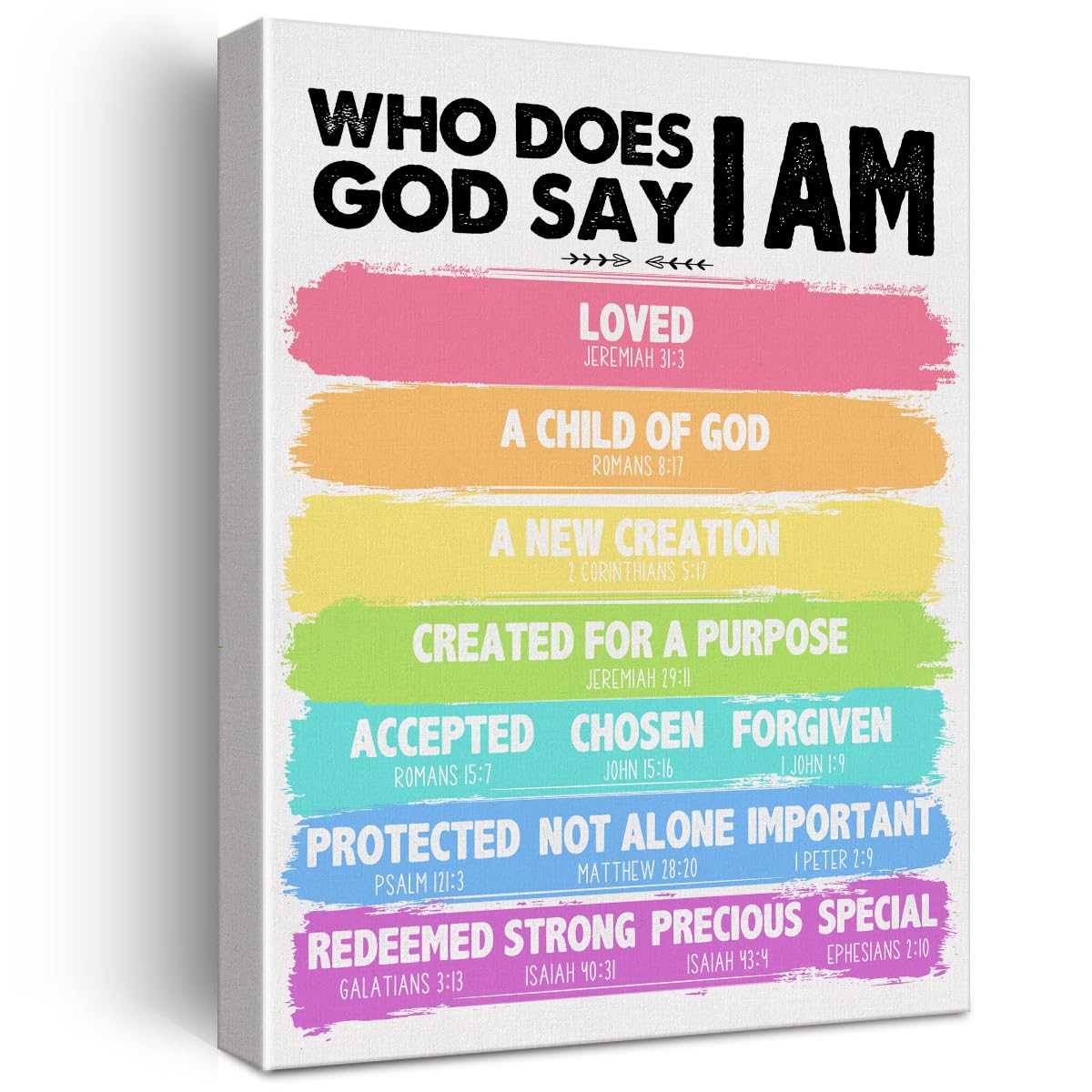
When we face negative thoughts, the Bible encourages us to replace them—not with random positive phrases, but with truth from Scripture. For example, when you feel afraid, you might remember, “God is with me; I will not fear.” This is different from simply saying, “I am not afraid.”
Biblical Examples Of Speaking Truth
Throughout the Bible, people use words to express faith, hope, and trust in God. Here are some examples:
- David facing Goliath: David declares, “The Lord…will deliver me from the hand of this Philistine” (1 Samuel 17:37). He is not just being positive—he trusts God’s promise.
- Jesus in the wilderness: When tempted, Jesus responds by quoting Scripture, not by making up positive phrases. “Man shall not live by bread alone, but by every word that comes from the mouth of God” (Matthew 4:4).
- Paul in prison: Paul writes, “Rejoice in the Lord always” (Philippians 4:4). His joy is based on God, not his circumstances.
These examples show that biblical declarations are rooted in God’s truth, not simply positive thinking.
Should Christians Use Affirmations?
This is the big question. Is there a right or wrong way for Christians to use affirmations? The answer depends on the content and purpose of those statements.
When Affirmations Can Be Helpful
- If they are based on biblical truths (“God loves me,” “I am a child of God”)
- If they remind you of God’s promises and character
- If they lead you to worship and trust God, not yourself
When Affirmations Can Be Harmful
- If they ignore reality, sin, or suffering
- If they focus on human power instead of God’s power
- If they contradict Scripture (for example, “I will never struggle”)
Questions To Ask Before Using Affirmations
- Is this statement true according to the Bible?
- Does it point me to God or just myself?
- Am I using this to avoid real problems, or to face them with God’s help?
- Does it encourage dependence on God’s grace, or on my own strength?
If your affirmation passes these tests, it can be a healthy way to remind yourself of God’s love and promises.
Biblical Alternatives To Secular Affirmations
If you want to use positive statements, here are ways to keep them faithful to Scripture:
Pray God’s Promises
Turn Bible verses into personal prayers. For example:
- “Lord, you are my shepherd; I will trust you to provide.”
- “God, you promise to never leave me. Help me trust you today.”
Memorize And Repeat Scripture
Instead of self-made affirmations, use Scripture memory. Verses like “The Lord is my light and my salvation—whom shall I fear?” (Psalm 27:1) can be powerful reminders in hard times.
Practice Gratitude
Biblical gratitude focuses on what God has done, not just what you hope will happen. Thank God for specific blessings, even when life is tough.
Confess The Truth
Admit your struggles honestly (“I am weak”), but also declare God’s truth (“but He is strong”). This keeps your focus where it belongs.
Non-obvious Insights Many Miss
- Affirmations can become spiritual shortcuts. Sometimes, people use positive statements to avoid deeper heart work or true repentance. This can create a surface-level faith that cracks under pressure.
- Affirmations do not replace obedience. Saying “I am patient” does not make you patient; real change comes from following God and letting Him shape your character.
- The Bible values honest lament. Many Psalms include both faith and honest pain. Ignoring your feelings with forced positivity is not biblical.
- God is not a genie. The Bible never teaches that saying the right words will force God’s hand. Faith is about trusting God’s will, even when things don’t go as you wish.
- Community matters. Speaking truth with others, not just to yourself, is a big part of biblical encouragement.
Real-world Examples: Affirmations Vs. Biblical Declarations
Let’s look at some common affirmations and compare them with biblical alternatives.
| Common Affirmation | Biblical Declaration |
|---|---|
| I am enough. | God’s grace is sufficient for me. (2 Corinthians 12:9) |
| I can do anything I set my mind to. | I can do all things through Christ who strengthens me. (Philippians 4:13) |
| I attract success and happiness. | God works all things for the good of those who love Him. (Romans 8:28) |
| I am in control of my destiny. | The Lord directs my steps. (Proverbs 16:9) |
| I am fearless. | God has not given me a spirit of fear, but of power and love and self-control. (2 Timothy 1:7) |
These comparisons show how biblical declarations keep the focus on God’s power, not ours.
Mistakes Christians Make With Affirmations
- Mixing biblical and secular ideas. Some Christians take popular affirmations and add Bible verses, hoping for quick results. This can confuse the source of hope.
- Treating affirmations as magic. Saying a statement over and over does not guarantee a certain outcome. Only God is in control.
- Ignoring the heart. Words are not enough. The Bible teaches that true change happens inside, not just in what we say.
- Using affirmations to avoid pain. Sometimes, it’s easier to say “I am happy” than to face sadness and bring it to God.
- Neglecting prayer and Scripture. Repeating positive words is not a substitute for real relationship with God.
The Role Of Faith And Action
The Bible teaches that faith and action work together. Speaking God’s truth is important—but living it out matters even more. James writes, “Be doers of the word, and not hearers only. ” This means that repeating God’s promises is a good start, but we must also trust, obey, and act in line with those truths.
When Affirmations Cross Into False Teaching
Some religious teachers claim that you can “speak things into existence.” This is known as the prosperity gospel or “name it and claim it” teaching. They often use verses out of context to support this view. However, most Christian scholars agree that this is not biblical. God is not bound by our words. Real faith is about trusting God’s will—sometimes that means blessing, other times it means learning through hardship.
If you want to explore deeper, consider reading summaries from Got Questions, an authoritative Christian resource.
Biblical Steps To Replace Negative Thinking
If you struggle with negative thoughts and want to use affirmations in a way that honors God, try these steps:
- Identify the lie. What are you believing that is not true? For example, “I am worthless.”
- Find God’s truth. Search Scripture for what God says about you. For example, “You are precious and honored in my sight.” (Isaiah 43: 4)
- Pray the truth. Ask God to help you believe what He says.
- Speak the truth. Repeat God’s promises, not just positive words.
- Act on the truth. Let God’s truth shape your decisions and actions.
This process is not just about changing words—it’s about changing your heart, with God’s help.
Can Non-biblical Affirmations Ever Be Neutral?
Not all affirmations are spiritual. Some are simply motivational, like “I will finish my project today.” These are not harmful unless they become your main source of hope or identity. Use wisdom: practical reminders are fine, but don’t let them replace your trust in God.

Credit: macorner.co
Summary: Are Affirmations Biblical?
- Affirmations as self-created, positive statements do not come from the Bible.
- The Bible values speaking truth, especially God’s truth, over mere positive thinking.
- True biblical declarations focus on God’s promises, power, and faithfulness.
- Christians should avoid affirmations that ignore reality, promote self-sufficiency, or try to manipulate God.
- The best way to “renew your mind” is to meditate on Scripture, pray, and let God transform your thinking.
Affirmations can be helpful if they are grounded in God’s Word and used to encourage real faith—not just positive feelings. But if they turn your focus away from God, or promise things He has not promised, they are not biblical.
Frequently Asked Questions
Are All Affirmations Unbiblical?
Not all affirmations are wrong. If the statement reflects God’s truth and points you to trust Him, it can be a helpful reminder. Problems arise when affirmations focus only on self or promise things the Bible does not.
Can I Use Bible Verses As Affirmations?
Yes, repeating Bible verses can be a powerful way to remind yourself of God’s promises. The key is to understand the verse in context and use it to grow your faith, not just feel better.
What’s The Difference Between Affirmations And Prayer?
Affirmations are usually statements about yourself, while prayer is talking to God. Prayer includes praise, confession, thanksgiving, and requests. Prayer is about relationship; affirmations are about mindset.
Is It Wrong To Say Positive Things About Myself?
It’s not wrong to encourage yourself, but the Bible teaches humility and dependence on God. Speak truth—both your strengths and weaknesses—and trust God to work in you.
How Can I Renew My Mind As A Christian?
The Bible teaches that renewing your mind happens through reading Scripture, prayer, and letting God’s truth change how you think and live. Repeating God’s promises, not just positive phrases, is the bib

Credit: www.amazon.com
