

Are Affirmations a Sin? Uncovering the Truth for Believers
Are Affirmations A Sin
In recent years, many people have started using affirmations as a tool for self-improvement. You might see phrases like “I am strong,” “I am loved,” or “I will succeed” on social media, in books, or even on coffee mugs. Affirmations are popular in personal development, therapy, and even business coaching. But for people of faith, especially those from Christian, Islamic, or other religious backgrounds, a question sometimes arises: Are affirmations a sin?
This question is not as simple as it looks. It touches on deep ideas—beliefs about God, the power of words, the nature of faith, and the difference between self-help and spiritual truth. Many people worry that affirmations may cross a line, becoming a kind of self-worship or magic.
Others see them as harmless or even helpful, a way to focus on positive change.
To give you a clear answer, this article will explain what affirmations are, how different religions and traditions view them, and why some people consider them controversial. We’ll look at common misunderstandings, practical examples, and what really matters if you want to use affirmations without risking your faith.
By the end, you’ll have a balanced, in-depth understanding of this important question.
What Are Affirmations?
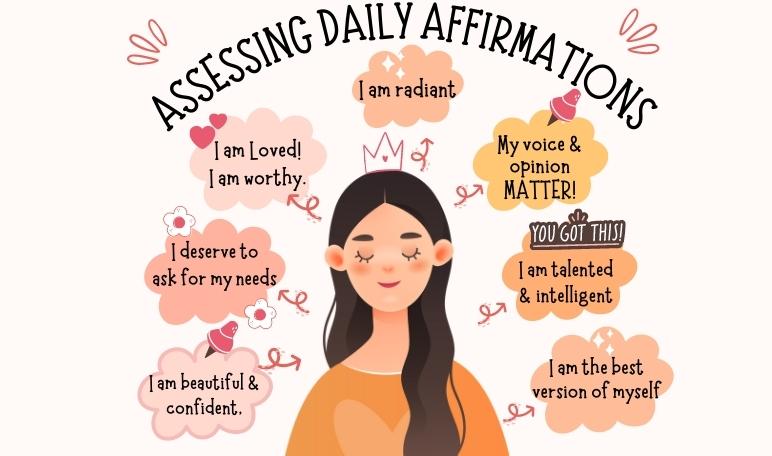
Affirmations are positive statements that people repeat to themselves, often to encourage change in their thoughts or actions. The main idea is that saying or thinking something many times can help you believe it and act on it. For example, someone struggling with confidence might say, “I am capable and ready,” every morning.
Affirmations can be spoken out loud, written down, or even just thought silently. People use them for many reasons:
- To boost self-esteem
- To improve motivation
- To change negative thinking patterns
- To reduce anxiety or stress
- To set and achieve goals
In psychology, affirmations are part of what’s called self-affirmation theory. Research shows that positive self-talk can sometimes help reduce stress and improve performance. However, the effects are not always dramatic, and results can vary from person to person.
The Religious Perspective On Affirmations
Christianity And Affirmations
The Christian view on affirmations is not the same everywhere. Some Christian leaders support the idea, especially if affirmations are based on Biblical truths. For example, saying “I am a child of God” or “God is with me” is seen by many as a way to remember God’s promises.
However, some Christians worry about affirmations that focus only on the self and leave out God. They are concerned that such affirmations may lead to pride or a belief that humans have power without God. This is especially true if the affirmations are about things the Bible does not promise, such as “I will always be rich” or “I will never have problems.”
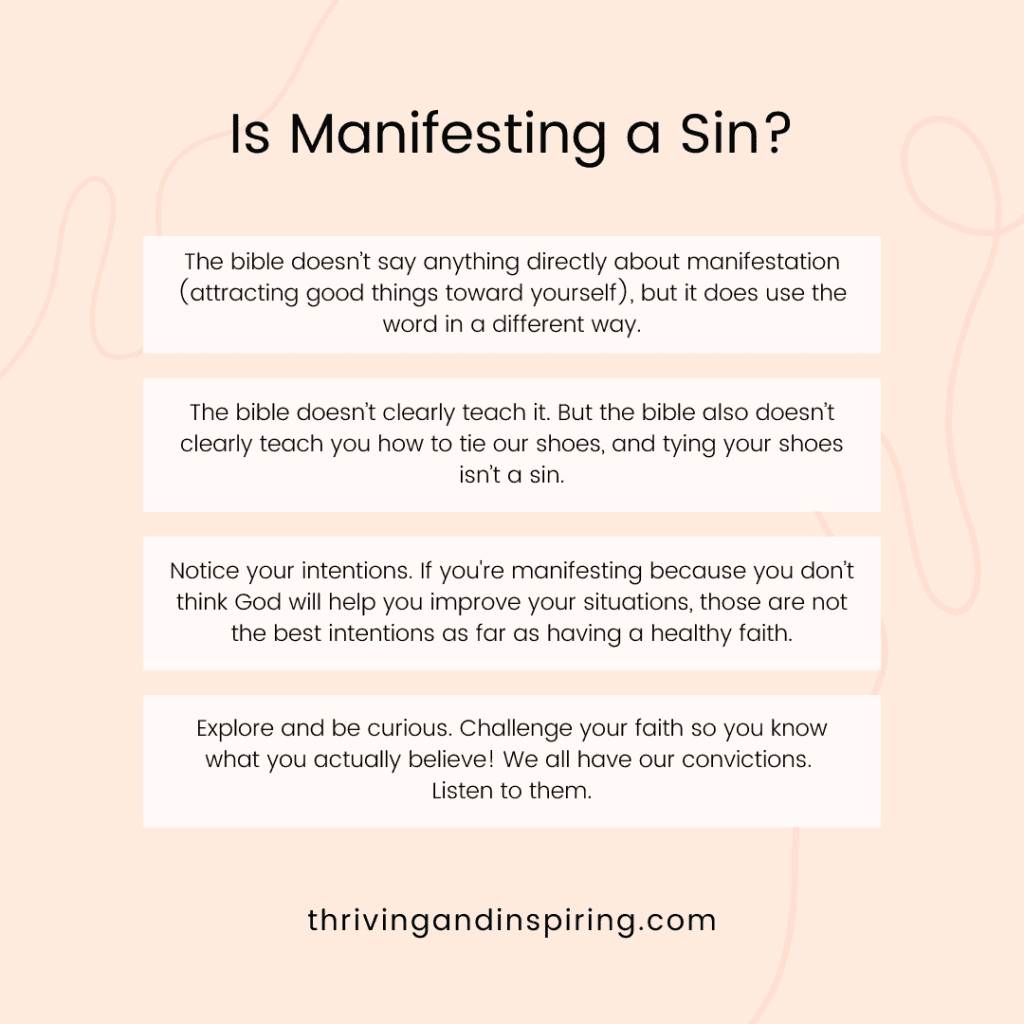
A common warning in Christianity is against anything that looks like manifestation or trying to control the future by the power of words alone. Some Christians see this as close to “speaking things into existence,” which they believe only God can do.
Biblical Examples
The Bible contains many verses that encourage positive thinking, hope, and confidence in God. For example:
- “I can do all things through Christ who strengthens me.”
- “God has not given us a spirit of fear, but of power, love, and a sound mind.”
These verses are often used as the basis for Christian affirmations. But they are different from secular affirmations because they point to God’s power, not just human effort.
Islam And Affirmations
In Islam, the use of affirmations is more complex. Islam teaches that everything happens by the will of Allah. Muslims are encouraged to make dua (prayer) and to trust in Allah for their needs.
Affirmations in Islam must not cross the line into shirk, which means giving God’s power to someone or something else. For example, saying “I am powerful on my own” could be seen as a problem. But saying “With Allah’s help, I can face anything” is usually accepted.
Islam also warns against anything that looks like sorcery or magic. Using affirmations as if they are magic spells would be a sin in Islamic belief.
Judaism And Affirmations
Judaism teaches that words are powerful and can shape reality, but always under God’s guidance. The Psalms and Proverbs are full of positive statements and prayers. Jewish tradition often uses blessings and prayers as a way to shape thoughts and actions.
However, Judaism also warns against idolatry and trusting in human power alone. Affirmations that ignore God or act as self-worship are not supported.
Other Faiths
Other religions, such as Buddhism and Hinduism, use mantras and positive statements as spiritual tools. In these traditions, affirmations are not usually seen as a sin but as a way to train the mind. However, the meaning of these practices can be very different from those in Abrahamic religions.
Why Do Some People Think Affirmations Are A Sin?
There are a few main reasons why affirmations are sometimes seen as sinful:
- Self-Glorification: Some affirmations focus only on the self, ignoring God or a higher power. This can look like pride or even self-worship.
- Manifestation and Magic: The idea that words alone can change reality is close to magic in many religious beliefs. Most faiths warn against trying to control the universe with your words.
- Replacing Prayer: Some people worry that affirmations replace prayer or trust in God. Instead of asking God for help, a person may try to make things happen by their own will.
- False Promises: Saying things like “I will never fail” or “I will always be happy” can be misleading. Life is not always easy, and faith teaches that suffering and struggle are part of human growth.
- Mixing New Age or Occult Ideas: Some affirmations come from New Age thinking, which mixes ideas from many religions and sometimes includes occult practices. For traditional believers, this is a red flag.
Common Misunderstandings About Affirmations
Many people confuse affirmations with other practices. Here are some misunderstandings:
- Affirmations are not always magic. For most people, they are just positive reminders.
- Affirmations do not replace hard work. Saying “I am successful” does not make you successful without effort.
- Not all affirmations are religious. Some are just motivational phrases.
- Using affirmations does not always mean you reject faith. Many people use them as part of a larger spiritual life.
Some critics focus on extreme examples or misunderstand how affirmations are used in practice. Most people do not believe that saying a phrase will magically change reality.
Credit: www.thrivingandinspiring.com
How Affirmations Compare To Prayer And Other Practices
It’s helpful to see how affirmations are different from, or similar to, other spiritual practices:
| Practice | Main Focus | Direction | View in Most Religions |
|---|---|---|---|
| Affirmation | Positive self-talk | Often inward (self) | Mixed (can be neutral or risky) |
| Prayer | Request, praise, thank | Upward (to God) | Strongly positive |
| Mantra | Focus and meditation | Varies (spiritual or self) | Depends on tradition |
| Manifestation | Desire to create reality | Often self | Often discouraged |
As you can see, affirmations are not the same as prayer. The key difference is where the focus lies. Affirmations usually focus on self-change, while prayer is about communicating with a higher power.
When Are Affirmations Not A Sin?
Affirmations are not always sinful. Many religious teachers say that if affirmations help you remember God’s promises, or encourage you to do good, they are not wrong. Here are some examples:
- Using affirmations based on scripture or sacred texts.
- Using affirmations to overcome fear or negative thinking, but always trusting God for the final result.
- Using affirmations as a way to remind yourself of your value as a person created by God.
For example, saying “I am loved by God” or “With God’s help, I can face this challenge” is often seen as faithful, not sinful.
When Can Affirmations Become A Sin?
Affirmations can become sinful in the eyes of many religious traditions when they:
- Replace God: If you believe your words have power equal to God’s, or if you no longer pray or trust God, this is a problem.
- Encourage Pride: If affirmations lead you to believe you do not need God or others, this is prideful.
- Promise Things God Does Not: If you affirm things the Bible, Quran, or other sacred texts do not promise, you may be creating false hope.
- Use Occult or Forbidden Practices: If affirmations are part of magic, witchcraft, or other forbidden practices, they are sinful in most faiths.
- Lead to Self-Worship: If your focus becomes only on yourself, ignoring your relationship with God and others, this is a spiritual danger.
Real-world Examples Of Affirmations
Let’s look at some common affirmations and see how they might fit within different religious beliefs.
Neutral Or Safe Affirmations
- “I am calm in stressful situations.”
- “I will do my best today.”
- “I am loved by God.”
- “With faith, I can overcome challenges.”
These focus on positive thinking, effort, and trust in God. Most religious leaders see these as safe, especially if the focus is not only on the self.
Risky Or Problematic Affirmations
- “I am the creator of my reality.”
- “My words have unlimited power.”
- “I can control everything that happens to me.”
- “I will never fail.”
These statements can cross a line, suggesting a kind of personal power that many faiths reserve for God alone. They can also set up unrealistic expectations.
Context Matters
If you use affirmations as part of your morning routine, focusing on gratitude, faith, and hope, they are not likely sinful. But if you use affirmations as a way to avoid prayer, or to try to control the future, problems can arise.
Psychological And Social Benefits Of Affirmations
Many studies show that positive affirmations can have some benefits, especially when used in a healthy way. These benefits include:
- Lower stress: People who use affirmations often report feeling less stress.
- Better performance: Athletes and students sometimes use affirmations to boost confidence.
- Healthier thinking: Affirmations can help fight negative thoughts.
However, these effects are usually small and work best when combined with real effort and support from others.
One common mistake is expecting too much from affirmations. They are not magic formulas. They cannot replace hard work, therapy, or faith. Overusing affirmations can even backfire, making you feel worse if you do not see quick results.
What Religious Leaders And Thinkers Say
Religious leaders have different opinions about affirmations. Here are some examples:
- Christian pastors: Many say affirmations are fine if they are based on the Bible and point to God’s power, not just your own.
- Islamic scholars: Some warn against affirmations that look like magic or self-glorification. They suggest using prayers and remembering Allah instead.
- Jewish rabbis: Many support positive self-talk, especially if it is humble and grateful. They warn against pride and forgetting God.
- Buddhist monks: Often see affirmations as useful tools for training the mind, but not as magic spells.
It is clear that context and intention are key. If your affirmations help you grow closer to God or become a better person, most faiths accept them. If they turn your focus away from God or lead to pride, they are risky.

Credit: www.happierhuman.com
Affirmations And The Power Of Words
All major religions teach that words have power. In Christianity, for example, the Book of Proverbs says, “Death and life are in the power of the tongue.” In Islam, the Quran teaches that words can heal or harm. In Judaism, speech is a gift from God and must be used carefully.
But this does not mean that words are magic. The power of words comes from their ability to shape our thoughts and actions, not from any supernatural force in the words themselves.
Here’s a simple comparison:
| View | Belief About Words | Risk of Sin? |
|---|---|---|
| Traditional Faith | Words shape hearts, but God is in control | Low, if God is honored |
| Magic/Occult | Words have supernatural power by themselves | High, forbidden |
| Secular Self-Help | Words change attitudes and habits | Low, but can lead to pride |
This shows why intention and belief matter so much. If you see affirmations as just helpful reminders, there is little risk. If you believe your words are equal to God’s power, that is where most religions draw the line.
How To Use Affirmations Without Risking Sin
If you want to use affirmations and still honor your faith, here are some guidelines:
- Base affirmations on scripture or your faith’s teachings.
- Keep God at the center. Use phrases like “With God’s help” or “By God’s grace.”
- Avoid magic thinking. Do not believe your words alone control reality.
- Stay humble. Remember you have limits and need help from God and others.
- Do not replace prayer. Use affirmations as a support, not as your main spiritual practice.
- Check your motives. Ask yourself why you are using affirmations and what you hope to achieve.
This approach helps you enjoy the benefits of positive thinking without crossing spiritual boundaries.
Two Non-obvious Insights Most Beginners Miss
- Affirmations Can Strengthen Faith When Used Wisely: Many people think affirmations are only about self-confidence. But when based on sacred texts or spiritual truths, they can actually remind you of God’s promises and make your faith stronger. For example, repeating “God is with me in every trial” can give real comfort and hope.
- You Can Customize Affirmations for Your Beliefs: Many beginners copy affirmations from the internet without thinking about their own faith. It’s much better to create your own affirmations that fit your beliefs and values. This avoids spiritual danger and makes the practice more meaningful.
Common Mistakes To Avoid
- Using affirmations as a substitute for prayer: Prayer is about relationship with God; affirmations are about encouraging yourself. Don’t mix them up.
- Thinking affirmations alone will solve problems: Real change comes from faith, action, and community, not just words.
- Choosing affirmations that conflict with your beliefs: Always check your statements against your faith’s teachings.
Practical Steps For Safe Affirmation Practice
If you want to try affirmations, here’s how to do it in a faith-friendly way:
- Choose statements that reflect your beliefs. For example, “I am created with purpose,” or “God’s strength is with me.”
- Repeat your affirmations daily, but do not expect instant results.
- Combine affirmations with prayer, gratitude, and action.
- Avoid affirmations that sound like magic or self-worship.
- Review your affirmations regularly to make sure they still fit your values.
Over time, you may find that affirmations help you think more positively, face challenges with more courage, and remember your spiritual foundation.
The Role Of Community And Guidance
Do not use affirmations in isolation. Talk with your religious leaders, friends, or family about your practice. They can help you see blind spots, avoid mistakes, and encourage you. If you feel unsure, ask for advice from someone you trust in your faith community.
Many faiths also have resources or books about positive thinking, prayer, and healthy speech. These can help you find affirmations that fit your beliefs and avoid spiritual risk.
Credit: www.equip.org
The Bottom Line
Are affirmations a sin? The answer depends on how you use them, what you believe about their power, and whether they bring you closer to your faith or further away. Used wisely, affirmations can be a healthy part of a spiritual life.
Used carelessly, they can lead to pride, false hope, or even spiritual danger.
The key is to keep your faith at the center, stay humble, and use affirmations as a tool—not a replacement—for deeper spiritual practices like prayer, gratitude, and action.
If you want to learn more about the science behind affirmations, you can read this article on Wikipedia.
Frequently Asked Questions
Are All Affirmations Sinful In Religious Belief?
No, not all affirmations are sinful. Most religious traditions accept affirmations that are humble, based on spiritual truth, and point to God’s power, not just your own. The risk comes when affirmations become self-centered, replace prayer, or act as magic.
How Can I Tell If An Affirmation Is Safe For My Faith?
Ask yourself if the affirmation matches your faith’s teachings, keeps God at the center, and encourages humility. If you are unsure, talk to a religious leader or compare your affirmation to key scriptures.
Can Affirmations Help With Anxiety Or Stress?
Yes, positive affirmations can sometimes help reduce stress and anxiety by encouraging healthy thinking. However, they are not a cure and work best with prayer, support from others, and practical action.
Do Affirmations Really Work?
Affirmations can help shape your mindset and attitude, but they are not magic. Results depend on your beliefs, actions, and support system. They work best as part of a bigger plan for growth.
What Is The Difference Between Affirmations And Prayer?
Affirmations are positive statements you say to yourself to encourage change. Prayer is communication with God, which includes requests, praise, and thanks. The main difference is that prayer is about relationship with God, while affirmations are about self-encouragement.
In the end, affirmations are not automatically a sin. With careful use, they can help you grow without risking your spiritual health. Always stay grounded in your faith, and let your words reflect both hope and humility.
