

Affirmations Can Change Your Life: Unlock Lasting Transformation
Affirmations Can Change Your Life
People often search for ways to improve their lives, feel happier, or overcome self-doubt. One method that keeps gaining attention is the use of affirmations. These are positive statements you repeat to yourself, designed to encourage a better mindset and influence your actions. It might sound simple, but many people have found real changes by including affirmations in their daily routine. This article explores how affirmations can truly change your life, why they work, and how you can use them effectively. If you want more confidence, better focus, or just a happier outlook, you’ll find practical guidance here.
What Are Affirmations?
Affirmations are short, positive statements that you say to yourself, often out loud or in your mind. The main goal is to encourage a positive attitude and help you believe in your abilities. For example, saying “I am strong and capable” every morning can help you start your day with confidence.
These statements are usually in the present tense, focusing on what you want to feel or achieve.
Many people use affirmations to challenge negative thoughts. If you often think, “I can’t do this,” an affirmation replaces that with “I am able to handle challenges. ” Over time, this practice can change the way you think about yourself and your life.
How Affirmations Work In The Brain
You might wonder if repeating positive words really makes a difference. Science gives us clues about why affirmations can work. The brain has something called neuroplasticity, which means it can change and adapt based on new experiences and thoughts. When you repeat positive statements, you are creating new pathways in your brain, making it easier to think positively in the future.
Research using brain scans shows that self-affirmation activates parts of the brain linked to reward and positive feelings. This is why affirmations can help you feel better and reduce stress. Over time, your brain starts to accept these statements as true, leading to real changes in your mood and behavior.
The Benefits Of Daily Affirmations
Using affirmations every day can bring real benefits, both for your mind and your actions. Here are some of the main ways affirmations can help:
- Build Self-Esteem: Many people struggle with self-doubt. Affirmations like “I am worthy of love and respect” help you see your value.
- Reduce Stress: Positive statements can calm your mind and reduce worry. This is especially helpful before big events or during tough times.
- Encourage Positive Actions: When you believe you can do something, you are more likely to try. Affirmations help build this belief.
- Improve Focus: By repeating your goals, you keep them in your mind, making it easier to stay on track.
- Better Physical Health: Some studies link positive thinking to lower blood pressure and better immune function.
- Increase Happiness: Affirmations can help you notice the good things in your life, making you feel happier overall.
Common Types Of Affirmations
Affirmations are not one-size-fits-all. People use them for different goals. Here are some popular types:
- Self-Esteem Affirmations: “I am confident in who I am.”
- Motivation Affirmations: “I am ready to tackle today’s challenges.”
- Health Affirmations: “I care for my body and my mind.”
- Relationship Affirmations: “I am surrounded by love and support.”
- Success Affirmations: “I attract opportunities for growth.”
- Stress-Relief Affirmations: “I am calm and at peace.”
You can write your own affirmations or use ones you find helpful. The key is to make them personal and meaningful.
How To Create Powerful Affirmations
Some affirmations are more effective than others. Here’s how to make yours strong and helpful:
- Use Present Tense: Say “I am” or “I have,” not “I will be.” This helps your brain accept the statement as real now.
- Be Positive: Focus on what you want, not what you want to avoid. For example, “I am healthy” is better than “I am not sick.”
- Keep It Short and Clear: Simple statements are easier to remember and repeat.
- Make It Personal: Use words that mean something to you. This makes the affirmation more powerful.
- Add Emotion: Include feelings in your statement, like “I am excited about my success.”
- Be Specific: If you have a clear goal, include it. For example, “I am confident when speaking in meetings.”
Many beginners make the mistake of using vague or negative statements. Practice writing affirmations that fit your own needs and dreams.
How To Use Affirmations In Daily Life
Saying affirmations once is not enough. To see real change, you need to repeat them often and believe in what you are saying. Here are some tips for adding affirmations to your routine:
- Say Them in the Morning: Start your day with positive thoughts.
- Write Them Down: Put affirmations on sticky notes, in a journal, or on your phone.
- Repeat Throughout the Day: Remind yourself during breaks or before important tasks.
- Use a Mirror: Look at yourself while saying affirmations. This can build self-acceptance.
- Combine with Deep Breathing: This helps you relax and focus on your words.
- Before Bed: End your day with affirmations for peaceful sleep and a positive mindset.
Some people worry they are “faking” positivity. But with practice, these statements become more natural and believable.
Real-life Success Stories
Many people have used affirmations to change their lives. Here are a few examples:
- A student who feared public speaking began saying, “I speak with confidence and clarity.” After a month, she noticed less anxiety and performed better in class.
- A business owner facing money worries used the affirmation, “I attract financial abundance.” This helped him focus on new opportunities, and his business grew.
- Someone struggling with low self-esteem repeated, “I am worthy and enough.” Over time, she felt more comfortable in social situations and made new friends.
These stories show that affirmations are not just empty words—they can lead to real growth.
Common Myths About Affirmations
There are some misunderstandings about affirmations. Let’s clear up a few:
- Affirmations Are Just Positive Thinking: While they are positive, affirmations are more focused and active than just wishing for good things.
- You Must Believe Them Right Away: It’s normal to feel unsure at first. Belief grows with practice.
- Affirmations Work Alone: They are a tool, not magic. You also need action and effort.
- They Are Only for Certain People: Anyone can use affirmations, no matter your age, background, or goals.
- Repeating Them Is Enough: For best results, combine affirmations with real steps toward your goal.
Understanding these points helps you get the most from your affirmation practice.
How Affirmations Affect Your Actions
Repeating positive statements does more than change your thoughts. It also changes how you behave. If you start to believe, “I am disciplined and focused,” you are more likely to act in ways that match that belief. This is called the self-fulfilling prophecy. Your actions start to fit your words.
People often miss that affirmations make it easier to notice and grab new opportunities. If you tell yourself, “I am open to new experiences,” you are more likely to try new things, meet new people, or take healthy risks. Over time, these small actions lead to big changes.
Scientific Research On Affirmations
Many studies have looked at how affirmations affect the mind and behavior. One well-known study found that people who used affirmations before a stressful event felt less anxious and performed better. Other research links affirmations to better problem-solving, lower stress, and more motivation to reach goals.
In another experiment, students who wrote self-affirmations before a test did better than those who did not. This shows that affirmations can help you handle pressure and improve your results.
For those interested in more scientific details, you can read about the psychology of self-affirmation at the Wikipedia page on Self-affirmation.

Credit: forum.spells8.com
Comparing Affirmations With Other Mindset Tools
People sometimes ask how affirmations compare with other ways to improve your mind, such as meditation, visualization, or journaling. Here’s a simple comparison:
| Tool | Main Focus | How It’s Used | Best For |
|---|---|---|---|
| Affirmations | Positive self-talk | Repeat statements daily | Changing beliefs and mindset |
| Meditation | Calm and awareness | Sit quietly, focus on breath | Stress relief, focus |
| Visualization | Imagining success | Picture goals in mind | Motivation, goal setting |
| Journaling | Reflection and clarity | Write thoughts/feelings | Processing emotions |
You don’t have to choose just one tool. In fact, many people use affirmations together with these other methods for stronger results.
Common Mistakes When Using Affirmations
Many people start with affirmations but give up quickly when they don’t see fast results. Here are some mistakes to avoid:
- Not Believing the Words: If you don’t put any feeling into your statement, it’s less effective.
- Being Too Vague: “I want to be happy” is not as powerful as “I choose happiness every day.”
- Only Saying, Not Doing: Affirmations should guide your actions, not replace them.
- Quitting Too Soon: Real change takes time. Keep going even if you don’t see results right away.
- Using Negative Language: “I am not a failure” still focuses on failure. Change it to “I am successful.”
Beginners often overlook the importance of being consistent and patient. Improvement might be slow at first, but small changes add up over time.
How To Measure Your Progress
It’s easy to wonder if affirmations are really making a difference. Here are some ways to track your progress:
- Journaling: Write about your feelings and actions each day. Notice any positive changes.
- Mood Check: Rate your mood before and after saying affirmations. Over time, you may see improvement.
- Goal Tracking: If you use affirmations for a specific goal, note each step you achieve.
- Feedback From Others: Sometimes, friends or family notice changes before you do. Listen to their comments.
- Self-Reflection: Ask yourself if you react better to stress, or feel more confident, after using affirmations.
A helpful tip is to set a reminder to review your progress every week or month. This keeps you motivated and shows you the real benefits.
Examples Of Powerful Affirmations
If you’re new to affirmations, it can help to see some real examples. Here are a few to get you started:
- “I am proud of what I have achieved.”
- “I am in control of my thoughts and feelings.”
- “I am open to learning new things.”
- “I trust myself to make good decisions.”
- “I am grateful for today’s opportunities.”
- “I handle challenges with strength and patience.”
- “I am becoming the best version of myself.”
You can change these to fit your needs. The best affirmations are the ones that feel true for you, even if you don’t fully believe them at first.
Best Times And Places To Practice Affirmations
Where and when you say affirmations can make a big difference. Here are some ideas:
- Morning Routine: Right after waking up, before distractions start.
- During Exercise: While running or walking, repeat positive statements.
- In the Car or on the Bus: Quiet moments during travel are good for affirmations.
- Before Important Events: Use them to calm nerves before meetings or exams.
- Before Sleep: End your day on a positive note.
Some people also like to create a special space at home for their affirmation practice, with calming objects or music. The key is to choose a time and place where you can focus and feel relaxed.
How Long Does It Take To See Results?
This is a common question, but there’s no one answer. Some people notice a better mood or outlook in a few days, while deeper changes can take weeks or months. The most important thing is to be patient and keep practicing.
Every person is different, and your results depend on your effort and belief.
Remember, affirmations are like exercise for your mind. Just as you don’t build muscles overnight, you don’t change your thoughts in one day. Consistency is more important than speed.
Using Affirmations For Specific Goals
Affirmations can help with almost any goal. Here are a few examples:
For Confidence
- “I am worthy of success and respect.”
- “I trust my skills and abilities.”
For Health
- “I make healthy choices every day.”
- “My body is strong and full of energy.”
For Relationships
- “I attract positive and caring people.”
- “I communicate with love and understanding.”
For Work Or Study
- “I am focused and productive.”
- “I enjoy learning and growing.”
For Stress Relief
- “I am calm, even in difficult situations.”
- “I let go of worry and choose peace.”
You can create your own affirmations for any goal, big or small.
How To Make Affirmations A Habit
For affirmations to change your life, you need to use them regularly. Here’s how to build the habit:
- Set a Reminder: Use your phone or calendar to remind you each day.
- Link to Another Habit: Say affirmations right after brushing your teeth, or before breakfast.
- Start Small: Begin with just one or two affirmations, then add more as you get comfortable.
- Find an Accountability Partner: Share your affirmations with a friend and check in with each other.
- Celebrate Progress: Notice even small changes and reward yourself for sticking with it.
One insight people often miss is that it’s okay if your affirmations change over time. As your goals and needs shift, update your statements to fit where you are now.
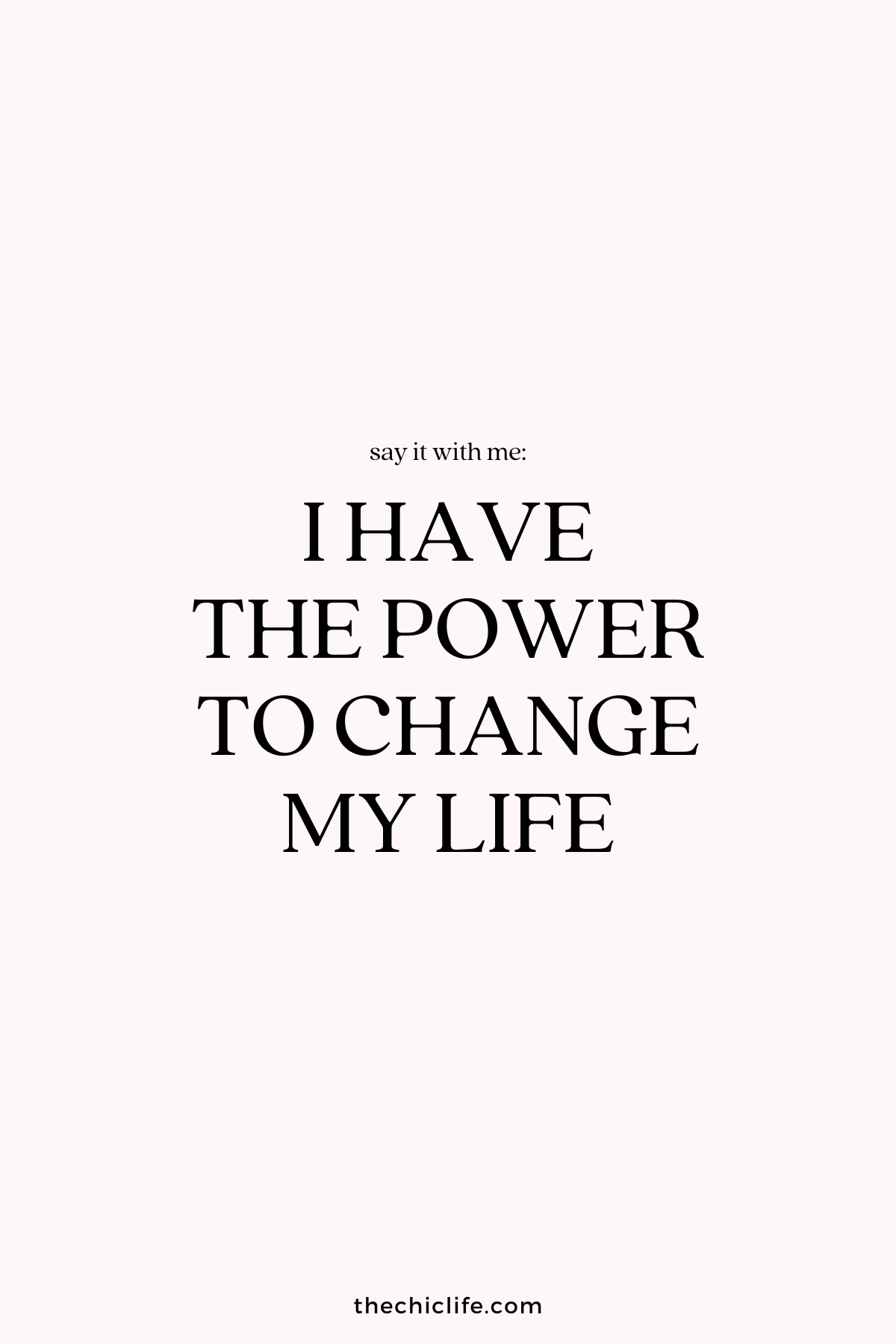
Credit: thechiclife.com
Sample 7-day Affirmation Plan
If you want to start but don’t know how, here’s a simple plan:
| Day | Morning Affirmation | Evening Affirmation |
|---|---|---|
| Monday | I am ready for new opportunities. | I am grateful for today’s lessons. |
| Tuesday | I am calm and focused. | I am proud of what I achieved. |
| Wednesday | I am growing stronger every day. | I let go of stress and rest well. |
| Thursday | I am full of energy and hope. | I appreciate my progress. |
| Friday | I am confident and capable. | I am at peace with myself. |
| Saturday | I enjoy learning and improving. | I am surrounded by support. |
| Sunday | I am open to happiness and joy. | I look forward to a new week. |
You can use this as a model and change the affirmations to fit your own life.
How Affirmations Help With Long-term Change
Affirmations are not just a short-term solution. Over time, they can help you:
- Build stronger self-belief
- Handle stress better
- Stay focused on your goals
- Improve relationships
- Keep a positive outlook, even during hard times
But the biggest benefit is often something people don’t expect: affirmations can change the way you see yourself and your place in the world. You become someone who expects good things, takes action, and feels worthy of success.
Advanced Tips For Experienced Users
If you already use affirmations and want to go deeper, try these ideas:
- Record Your Voice: Listen to your own affirmations while relaxing or before sleep.
- Write Them as Questions: Instead of “I am successful,” try “Why am I so successful?” Your mind will look for answers.
- Combine With Visualization: Picture yourself living out the affirmation as you say it.
- Change With the Season: Use different affirmations for different times of year or life changes.
- Create Affirmation Art: Draw, paint, or design your favorite affirmations for daily inspiration.
A non-obvious insight is that your affirmations can help not just with big goals, but also with small daily challenges. For example, if you feel nervous before a meeting, use a quick affirmation to calm yourself.
Are Affirmations Right For Everyone?
Almost anyone can benefit from affirmations, but they are not a replacement for medical or mental health care. If you have serious mental health challenges, affirmations can be a helpful tool, but you should also seek professional support.
Some people find affirmations uncomfortable or “fake” at first. This is normal. With time and practice, the statements feel more natural. The key is to keep going, even if it feels strange at first.
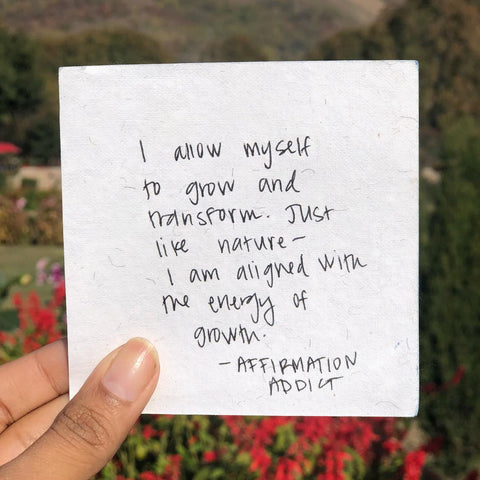
Credit: cleverfoxplanner.com
Frequently Asked Questions
What If I Don’t Believe My Affirmation?
It’s normal not to believe new affirmations right away, especially if they are very different from your usual thoughts. The key is repetition and patience. Over time, your brain gets used to the new idea, and it starts to feel more true.
You can also adjust your affirmation to make it feel a little more believable at first, then make it stronger as your belief grows.
How Many Affirmations Should I Use Each Day?
There’s no strict rule. Many people start with 3 to 5 affirmations each day. It’s better to focus on a few meaningful statements than try to remember too many. Quality is more important than quantity. As you get comfortable, you can add more if you want.
Can Affirmations Help With Anxiety Or Stress?
Yes, affirmations can be a helpful tool for managing stress or anxiety. Statements like “I am calm and safe” or “I can handle whatever comes my way” can help you relax and feel more in control. For serious anxiety, affirmations work best when combined with other healthy habits and, if needed, professional support.
Do I Have To Say Affirmations Out Loud?
Saying affirmations out loud can be powerful, but you don’t have to. You can repeat them silently in your mind, write them down, or even listen to recordings. The most important thing is to focus on the meaning and say them with feeling.
How Long Should I Keep Using Affirmations?
You can use affirmations as long as you find them helpful. Some people use them for a few weeks or months to reach a goal, while others make affirmations part of their lifelong routine. If your goals or needs change, you can always create new affirmations.
Affirmations are a simple but powerful tool for positive change. With practice, patience, and the right approach, you’ll discover that affirmations can truly change your life.
