

Affirmation Vs Reassurance: Key Differences and Best Uses
Affirmation Vs Reassurance: Understanding The Differences And Their Impact
Every person faces moments of doubt and uncertainty. When life gets difficult, we look for words that make us feel better. But are all supportive words the same? Many people confuse affirmation with reassurance, thinking they mean the same thing. However, these two concepts have important differences. Understanding them can change how you talk to yourself and how you support others.
Both affirmation and reassurance play unique roles in building emotional strength. But using the wrong one at the wrong time can actually hold you back. If you rely too much on reassurance, you might miss opportunities for real growth. If you use affirmation wisely, you build confidence from within.
This article explores both concepts in detail. You’ll learn what makes them different, when to use each, and how to practice them for a healthier mindset.
What Is Affirmation?
Affirmation is a positive statement you repeat to yourself. It helps you focus on your abilities, strengths, and values. The purpose of affirmation is to build your inner confidence. For example, saying “I am capable of handling challenges” helps you remember your own power, especially during hard times.
Affirmations are not about ignoring problems or pretending everything is perfect. Instead, they direct your attention to what is true and possible within yourself. Regularly using affirmations helps train your brain to think positively.
Common Examples Of Affirmations
- “I am worthy of respect and kindness.”
- “I learn from my mistakes.”
- “I have the skills to succeed.”
- “I am enough as I am.”
- “I can handle whatever comes my way.”
The Science Behind Affirmations
Research shows that self-affirmation can reduce stress and improve performance. When you repeat positive statements, your brain starts to accept them as true. This is known as neuroplasticity—your brain’s ability to change and grow. According to studies, affirmations can also help with anxiety and motivation.
How Affirmations Work
Affirmations strengthen your self-belief. When you say positive things about yourself, you:
- Challenge negative thoughts
- Remind yourself of your values
- Create a more optimistic mindset
However, for affirmations to work, they need to feel believable. If you repeat something you do not believe at all, your mind might reject it.
What Is Reassurance?
Reassurance is comfort or support given by someone else—or sometimes by yourself—to reduce worry or doubt. It often comes from outside, like a friend saying, “Everything will be okay,” or a parent saying, “You’re safe here.” Reassurance helps calm you in the moment, especially during anxiety or fear.
Reassurance is powerful for soothing emotions. But it does not always solve the root problem. If you depend on reassurance too much, you may need someone else’s words to feel calm.
Common Examples Of Reassurance
- “Don’t worry, you did your best.”
- “It’s going to be alright.”
- “You are not alone.”
- “You’re safe now.”
- “I’m here for you.”
The Science Behind Reassurance
Studies show reassurance can lower stress quickly. It activates the body’s relaxation response, reducing anxiety. When someone you trust reassures you, your brain releases chemicals like oxytocin, which help you feel safer.
Still, repeated need for reassurance can build dependence. You might find yourself seeking others’ comfort instead of building your own resilience.
How Reassurance Works
Reassurance is about calming immediate fear or uncertainty. It is often emotional and supportive. You receive reassurance from:
- Friends and family
- Therapists or counselors
- Support groups
- Sometimes, self-soothing statements
While reassurance feels good, it does not always help you learn new coping skills.
Key Differences Between Affirmation And Reassurance
At first glance, affirmation and reassurance seem similar. Both involve positive words and support. But their effects and sources are different.
| Aspect | Affirmation | Reassurance |
|---|---|---|
| Source | Mainly internal (self-driven) | Mainly external (others-driven) |
| Purpose | Builds long-term self-belief | Reduces short-term anxiety |
| Effect | Encourages growth and resilience | Soothes feelings temporarily |
| Dependency | Fosters independence | Can lead to dependence |
| Example | “I am strong enough.” | “You will be fine.” |
Insight: The Subtle Trap Of Reassurance
Many people do not notice when reassurance turns into a habit. For example, someone with social anxiety might always ask friends, “Did I sound okay? ” While this brings comfort, it can stop them from learning to trust their own judgment.
Insight: Affirmation’s Quiet Power
Affirmations often feel less dramatic because they work slowly. Over time, they change your thinking patterns. Most beginners miss that affirmations are most powerful when linked to your real values, not just wishful thinking.
When To Use Affirmation
Affirmations help most when you want to build confidence or change negative self-talk. Here are times when affirmation is especially useful:
- Before a big challenge: Saying, “I am prepared,” can reduce fear.
- After a setback: Reminding yourself, “I learn from mistakes,” keeps you moving forward.
- During self-doubt: “I am capable” helps you focus on strengths.
Affirmation is also helpful for forming habits. If you are trying to exercise more, saying, “I am becoming stronger every day,” can motivate you.
How To Make Affirmations Work
- Keep it believable: Choose words you can accept as possible.
- Make it personal: Use “I” statements, connected to your life.
- Repeat regularly: Consistency helps your brain learn new patterns.
- Connect to values: Link your affirmation to what matters most to you.
A practical example: Instead of saying, “I am the best at everything,” try, “I am improving every day,” which is honest and encouraging.
When To Use Reassurance
Reassurance is most helpful when your emotions are overwhelming. For example:
- After a shock or loss: Hearing, “You’re not alone,” can provide comfort.
- During panic or anxiety: “You are safe right now,” soothes fear.
- Facing uncertainty: “It’s normal to feel unsure,” helps you feel accepted.
Reassurance is important for children, people in crisis, or when someone feels deeply unsafe. However, it should not be the only tool you use.
How To Give Healthy Reassurance
- Be present: Listen with care before offering words.
- Stay honest: Avoid false promises. Instead of “Nothing bad will happen,” say, “I’ll support you through this.”
- Encourage independence: Add reminders of their own strength, not just comfort.
Example: If your friend is nervous about a job interview, instead of just saying, “You’ll do fine,” you might add, “Remember how well you prepared last time.”
The Role Of Affirmation In Personal Growth
Affirmations do more than make you feel good. They actually help you change old habits and beliefs. If you grew up hearing, “You’re not good enough,” you might believe it as an adult. Affirmations offer new messages to replace these old patterns.
How Affirmations Build Resilience
- Challenge old beliefs: Each time you repeat a positive statement, you weaken negative self-talk.
- Increase motivation: Believing in yourself makes it easier to start new things.
- Reduce stress: Affirmations give you a sense of control, which lowers anxiety.
For example, athletes use affirmations to focus their minds before a game. Students use them before exams. Even leaders use affirmations to stay confident during challenges.
Common Mistakes With Affirmations
- Using unrealistic statements: Saying, “I am perfect,” usually backfires.
- Lack of repetition: Affirmations need daily practice.
- Missing emotional connection: If you don’t feel the words, they lose power.
The Role Of Reassurance In Emotional Support
Reassurance is a key part of relationships. When someone feels scared or unsure, hearing comforting words can make a big difference. In therapy, reassurance is often used to help people feel safe enough to talk.
How Reassurance Helps Relationships
- Builds trust: When you comfort someone, they learn to trust you.
- Reduces fear: Supportive words calm the nervous system.
- Encourages openness: People are more likely to share when they feel understood.
However, reassurance is best used as a bridge. It helps people feel calm, so they can later use their own coping skills.
Common Mistakes With Reassurance
- Over-reassuring: Too much comfort can make someone dependent.
- Ignoring real problems: Reassurance should not replace action.
- False promises: Telling someone “It will never happen again,” can break trust if it is not true.
Affirmation Vs Reassurance In Different Situations
How do you know when to use affirmation and when to use reassurance? The answer depends on the situation and the person’s needs.
| Situation | Best Approach | Why |
|---|---|---|
| Feeling nervous before a presentation | Affirmation | Builds inner confidence for performance |
| Panic attack or sudden fear | Reassurance | Soothes acute anxiety quickly |
| Recovering from failure | Affirmation | Encourages learning and growth |
| Loss or grief | Reassurance | Provides emotional support and comfort |
| Building a new habit | Affirmation | Reinforces positive change |
| Ongoing self-doubt | Both | Reassurance for comfort, affirmation for growth |
Practical Tip
If you are helping someone else, ask, “Do you need comfort or encouragement right now? ” This helps you choose the right kind of support.
Practical Ways To Use Affirmation
Affirmations are most powerful when used with intention. Here’s how to make them part of your life:
- Write them down: Place affirmations where you see them—on your mirror, phone, or notebook.
- Say them aloud: Hearing your own voice makes the words stronger.
- Use them in the morning: Start your day with a positive mindset.
- Link to actions: Pair an affirmation with a daily habit, like stretching or brushing your teeth.
Example: Before leaving home, say, “I am ready for today’s challenges.”
Customizing Your Affirmations
Generic affirmations may not fit your life. Create your own:
- Identify a negative belief (e.g., “I’m not smart enough”)
- Turn it into a positive, believable statement (“I am always learning and growing”)
- Repeat it daily
Using Affirmations With Children
Children benefit from affirmations, too. Teach them to say, “I am a good friend,” or “I can try new things. ” This builds their confidence early.
Practical Ways To Use Reassurance
Reassurance is about presence and empathy. Here’s how to offer it in a healthy way:
- Listen first: Sometimes, just being there is enough.
- Validate feelings: Say, “It’s okay to feel scared,” before offering comfort.
- Offer physical comfort: A hug or a gentle touch can reassure more than words.
- Remind them of past successes: “Remember when you got through something similar.”
Self-reassurance
You can also reassure yourself. When fear rises, try:
- Placing your hand over your heart
- Saying, “This feeling will pass,” or “I am safe in this moment”
- Taking slow, deep breaths
Self-reassurance is not about denying fear, but about accepting and soothing it.

Credit: www.hiresuccess.com
The Dangers Of Overusing Reassurance
While reassurance feels good, it can become a trap if used too often. This is especially true for people with anxiety disorders.
Signs Of Reassurance-seeking
- Constantly asking others for approval (“Did I do that right?”)
- Needing someone to tell you everything will be okay
- Struggling to make decisions without others’ input
Over time, this weakens your ability to trust yourself. Therapists call this a reassurance-seeking cycle. The more you seek reassurance, the less confident you feel, so you seek even more.
Breaking The Cycle
- Notice when you are asking for reassurance
- Pause and ask yourself, “Can I handle this feeling on my own?”
- Use affirmations to build your inner strength
It is okay to ask for comfort sometimes. The goal is to balance reassurance with self-confidence.
The Power Of Balancing Both
Affirmation and reassurance are not enemies. Used together, they create a strong support system. The key is balance.
- Use reassurance for immediate comfort, especially during high stress.
- Use affirmation for long-term growth and independence.
If you are supporting someone else, mix both. “I’m here for you, and I know you have the strength to get through this,” combines comfort and encouragement.

Credit: www.youtube.com
Real-life Examples
Example 1: Student Facing Exams
Maria is anxious about her exams. Her mother says, “You’ve studied hard, and you can do this. ” This is reassurance. If Maria tells herself, “I am prepared and capable,” that is affirmation.
Over time, Maria needs both. Her mother’s support comforts her, but her own affirmations build real confidence.
Example 2: Dealing With A Breakup
After a breakup, John’s friends tell him, “You’re not alone; we’re here for you. ” This reassurance helps him feel safe. Later, John begins to say, “I am worthy of love and happiness. ” This affirmation helps him heal and move forward.
Example 3: Workplace Stress
Ali feels nervous about a big project. His manager says, “I trust your skills. ” That reassurance calms him. If Ali repeats, “I am resourceful and can solve problems,” he builds lasting self-trust.
In each case, both affirmation and reassurance are important. The difference is how they support you: one soothes, the other strengthens.
How Therapists Use Affirmation And Reassurance
In counseling, both affirmation and reassurance are tools. Therapists might start with reassurance—“You are safe here”—so clients feel comfortable. Over time, they teach clients to use affirmations. This helps clients handle future challenges without needing constant support.
Some therapy methods, like Cognitive Behavioral Therapy (CBT), use affirmations to replace negative thoughts. Therapists guide clients to create their own affirmations that are true and meaningful.
For more about therapy methods that use affirmation, you can visit the Psychology Today CBT Guide.
Cultural And Social Differences
How people use affirmation and reassurance can depend on culture. In some cultures, reassurance from family is expected and normal. In others, independence and self-affirmation are valued.
For example, in group-oriented cultures, reassurance might come from elders or community leaders. In individual-focused cultures, personal affirmations are encouraged.
Understanding these differences helps you choose the right approach, whether supporting yourself or others.
Frequently Asked Questions
What Is The Main Difference Between Affirmation And Reassurance?
The main difference is that affirmation is a positive statement you give to yourself to build confidence, while reassurance is comfort or support given by someone else to reduce fear or worry. Affirmation encourages independence; reassurance provides emotional support.
Can Affirmation And Reassurance Be Used Together?
Yes, they often work best together. Reassurance helps calm you in the moment, while affirmation builds long-term self-belief. Balancing both gives you comfort and strength.
Why Can Too Much Reassurance Be Harmful?
Relying too much on reassurance can make you dependent on others for comfort. Over time, this can weaken your ability to handle stress alone and reduce your self-confidence.
How Can I Create Effective Affirmations?
Effective affirmations are personal, believable, and connected to your real values. Start with “I” statements, keep them positive, and repeat them daily. For example, “I am learning and growing” is realistic and encouraging.
What Should I Do If Affirmations Do Not Seem To Work?
If affirmations do not help, check if they feel believable and personal to you. Sometimes, it takes time to change old thinking patterns. You can also combine affirmations with action steps or seek guidance from a counselor for extra support.
Affirmation and reassurance are both valuable tools for emotional health. Knowing when and how to use each can help you and those around you build true confidence and resilience. Remember, growth happens not just through comfort, but by learning to trust your own inner voice.
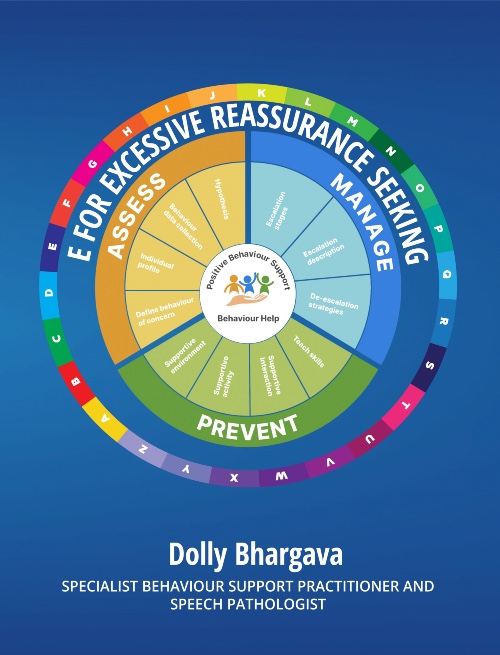
Credit: behaviourhelp.com
