

Affirmation Vs Reassurance: Key Differences and Benefits Explained
Affirmation Vs Reassurance: Understanding The Difference And Impact
Most people want to feel valued, secure, and confident in their daily lives and relationships. Sometimes, a kind word or a gentle reminder can make a big difference. But not all supportive words are the same. Two common ways people support each other are affirmation and reassurance. These words often appear in conversations about personal growth, mental health, and relationships. However, many people use them interchangeably, even though they have important differences.
Knowing the distinction between affirmation and reassurance can help you build stronger relationships, support others in meaningful ways, and even improve your self-talk. This article explores what each term truly means, how they affect our minds and relationships, and why choosing the right approach can lead to deeper trust and lasting confidence. By the end, you’ll clearly understand when to use affirmation, when to offer reassurance, and how both can shape your life.
What Is Affirmation?
Affirmation is a positive statement or acknowledgment that recognizes someone's qualities, values, or actions. It can come from others or from yourself. The main purpose of affirmation is to strengthen self-belief and build inner confidence.
For example, telling yourself, “I am capable of learning new things,” is a self-affirmation. If a friend says, “You handled that situation with a lot of patience,” they are giving you an affirmation. Affirmations focus on strengths, values, and personal qualities, rather than just calming fears or doubts.
Types Of Affirmations
- Self-Affirmations: These are positive statements you repeat to yourself to build confidence and reduce self-doubt. Examples include, “I am worthy of respect,” or “I can overcome challenges.”
- External Affirmations: These come from others and recognize your qualities or actions. For instance, “You did a great job on your presentation,” or “Your honesty is admirable.”
How Affirmations Work
Affirmations work by reinforcing a positive self-image. When repeated regularly, they can help rewire negative thought patterns and boost self-esteem. Studies in psychology suggest that affirmations activate parts of the brain related to self-processing and reward. This can lead to better emotional health and resilience.
It’s important to note that affirmations are most effective when they are realistic and meaningful. Saying things you do not believe can sometimes backfire, making you feel worse instead of better.
Examples Of Affirmations In Daily Life
- “I am a caring friend.”
- “My hard work pays off.”
- “I learn from my mistakes.”
- “I am growing every day.”
- “I am enough as I am.”
These statements help people focus on their strengths, not just their worries.
What Is Reassurance?
Reassurance is comfort or support given to reduce anxiety, fear, or doubt. It usually addresses a specific worry or emotional need in the moment. Reassurance focuses on calming someone’s nerves or confirming that things are okay.
For example, if a child is afraid of a thunderstorm, a parent might say, “You’re safe. The storm will pass soon. ” That is reassurance. If a friend worries about a job interview, saying, “You’ll do fine, don’t worry,” is also reassurance.
Types Of Reassurance
- Emotional Reassurance: Comfort that helps someone feel safe or less anxious. Example: “I’m here for you.”
- Practical Reassurance: Providing facts or evidence to calm worries. Example: “Your test results were normal.”
- Relational Reassurance: Reminding someone of your support or love. Example: “I care about you and I’m not going anywhere.”
How Reassurance Works
Reassurance helps reduce stress and anxiety in the short term. It tells the worried person that their feelings are understood and that things are under control. This can be very helpful in moments of fear, panic, or uncertainty.
However, too much reassurance can sometimes become a problem. People may start to depend on others to calm their fears, instead of learning to trust themselves. This is especially true in situations involving anxiety or obsessive thoughts.
Examples Of Reassurance In Daily Life
- “Everything will be okay.”
- “You’re not alone.”
- “I promise, there’s nothing to worry about.”
- “You have my support.”
- “You’re safe here.”
These statements are meant to soothe and comfort in the moment.
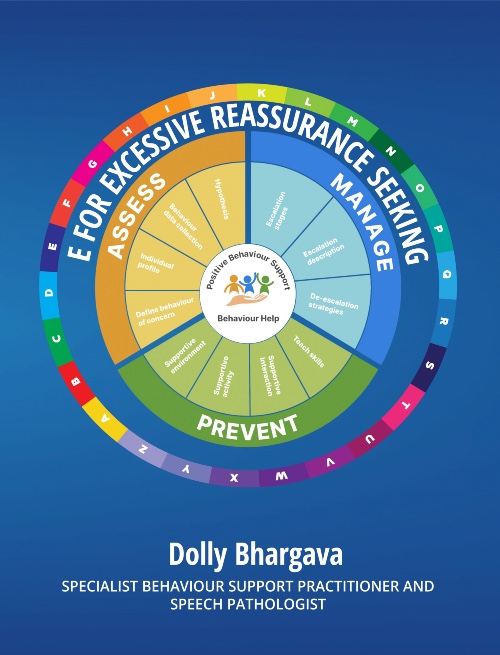
Credit: behaviourhelp.com
Key Differences Between Affirmation And Reassurance
Understanding the main differences can help you choose the right approach. Here is a comparison to clarify:
| Aspect | Affirmation | Reassurance |
|---|---|---|
| Purpose | Builds self-worth and confidence | Reduces anxiety and worry |
| Focus | Personal qualities and strengths | Specific fears or doubts |
| Direction | Often self-directed | Mainly from others to you |
| Duration of Effect | Long-term confidence | Short-term comfort |
| Example | “I am capable.” | “You’ll be fine.” |
While both affirmation and reassurance are supportive, they serve different purposes and have different effects.
Psychological Effects: How Each Impacts The Mind
Affirmation: Building Inner Strength
Affirmations help people develop a strong sense of self. By focusing on strengths and positive traits, affirmation can:
- Increase self-esteem and motivation
- Encourage a growth mindset
- Reduce negative self-talk
- Make it easier to handle criticism or failure
Research shows that regular use of affirmation can lower stress and even improve academic and work performance. For example, students who practice self-affirmation before exams tend to do better because they feel more confident in their abilities.
A key insight is that affirmation works best when it matches your true values. Generic affirmations may feel empty. For example, if you value creativity, affirming “I am a creative thinker” is more powerful than “I am perfect. ”
Reassurance: Calming The Storm
Reassurance gives quick relief from stress or fear. It is especially helpful during emotional crises, panic attacks, or times of uncertainty. Reassurance:
- Provides emotional safety
- Offers comfort in difficult moments
- Helps calm intense worries
But there’s a hidden risk. If someone seeks reassurance too often, they may become dependent on others to feel safe. This can make it harder to build self-confidence. In some cases, such as anxiety disorders, repeated reassurance can actually make anxiety worse over time.
A less obvious insight is that reassurance should be combined with encouragement to build self-trust. For example, after saying, “You’re safe,” you might add, “And you’re strong enough to handle challenges. ”
When To Use Affirmation Vs. Reassurance
Choosing the right approach depends on the situation and the person’s needs.
When Affirmation Is Best
- When someone doubts their abilities or worth
- When encouraging personal growth or resilience
- When trying to build lasting confidence
- When you want to reinforce strengths or positive behavior
Example: If a friend says, “I don’t think I’m good at my job,” an affirmation could be, “You bring a lot of creativity and dedication to your work.”
When Reassurance Is Best
- When someone feels anxious, scared, or overwhelmed
- During moments of crisis or panic
- When a person needs immediate emotional support
- When someone is facing uncertainty and needs comfort
Example: If a child is worried about sleeping alone, reassurance could be, “You’re safe here, and I’m just in the next room.”
Using Both Together
In many cases, both affirmation and reassurance can be used together for a stronger effect. For example, “I know you’re worried about tomorrow’s meeting. You’ve prepared well and have the skills to handle it. ” Here, reassurance addresses the worry, and affirmation builds confidence.
Real-life Scenarios: How Affirmation And Reassurance Play Out
Let’s look at some everyday situations to see the difference in action.
Scenario 1: The Nervous Student
A student feels nervous before a big exam.
- Reassurance: “You’ll do fine, don’t worry. You’ve studied a lot.”
- Affirmation: “You are a hard worker, and you have overcome tough exams before.”
Insight: Reassurance soothes the nerves. Affirmation builds self-trust for future challenges.
Scenario 2: Relationship Insecurity
Someone feels insecure in their relationship.
- Reassurance: “I love you and I’m not leaving.”
- Affirmation: “You are a loving and valuable partner.”
Insight: Reassurance addresses fear of loss. Affirmation strengthens self-worth in the relationship.
Scenario 3: Work Performance
An employee is worried about a performance review.
- Reassurance: “It’s just a meeting; everything will be okay.”
- Affirmation: “Your commitment and skills make a real difference at work.”
Insight: Affirmation helps the employee see their strengths beyond this moment.
Scenario 4: Facing Criticism
A person feels discouraged after receiving criticism.
- Reassurance: “Don’t listen to them, you’re doing fine.”
- Affirmation: “Your effort and growth are what matter most.”
Insight: Affirmation encourages learning and resilience, not just comfort.
Scenario 5: Dealing With Failure
A friend fails an important test.
- Reassurance: “It’s not the end of the world. You can try again.”
- Affirmation: “You are persistent, and you always find a way to move forward.”
Insight: Affirmation highlights qualities that will help in the long run.

Credit: www.hiresuccess.com
The Science Behind Affirmation And Reassurance
What Research Says About Affirmation
Studies in psychology have shown that affirmation can:
- Lower stress levels
- Improve performance in school and work
- Boost problem-solving skills under pressure
- Increase openness to feedback
A key study found that people who practiced affirmation before stressful events had lower levels of the stress hormone cortisol. This shows that affirmation is not just “feel-good” talk—it can have real effects on the body and mind.
Research On Reassurance
Reassurance is widely used in therapy and everyday life. It can help people feel heard, supported, and calm. However, research also warns about “reassurance-seeking behavior.” This happens when someone asks for reassurance over and over, which can become a habit. In cases of anxiety or obsessive thoughts, this can make symptoms worse.
Therapists often teach people to balance reassurance with skills that build self-reliance. For example, instead of always saying, “You’ll be fine,” they might encourage clients to recognize their own coping strengths.
For more details on these findings, the American Psychological Association provides helpful resources: APA: Self-Affirmation.
Common Misconceptions
Even though affirmation and reassurance are both positive, people sometimes misunderstand their roles.
Misconception 1: “they’re The Same Thing”
Many believe affirmation and reassurance are just different words for the same action. In truth, affirmation aims to build long-term confidence, while reassurance soothes immediate worry.
Misconception 2: “affirmations Are Just Empty Words”
Some think affirmations are only wishful thinking. But when they match your true values and experiences, affirmations can change how you see yourself and handle stress.
Misconception 3: “reassurance Is Always Helpful”
While reassurance is caring, too much can lead to dependence. People may start to rely on others for all their comfort, instead of learning to manage their own feelings.
Misconception 4: “you Should Only Use One”
In reality, using both together can be very effective. The right balance depends on the person and the situation.
Risks And Limitations
While both affirmation and reassurance can be positive, they also have limits.
Risks Of Overusing Affirmation
- If affirmations are unrealistic (“I’m always perfect”), they can feel fake and increase doubt.
- Overuse may ignore areas where real improvement is needed.
- Saying affirmations you do not believe can sometimes make you focus more on your weaknesses.
Risks Of Overusing Reassurance
- Can create dependence on others for emotional safety.
- May keep someone stuck in a cycle of anxiety or worry.
- Can prevent people from learning to manage fear or uncertainty on their own.
Finding The Right Balance
The best support combines both affirmation and reassurance, but in the right amounts. Encourage strengths and offer comfort, but also help build self-trust and resilience.
Affirmation And Reassurance In Relationships
How we use affirmation and reassurance can deeply affect our connections with others. Both are important in friendships, romantic partnerships, and family.
Building Healthy Relationships
- Use affirmation to recognize and celebrate each other’s qualities and achievements.
- Use reassurance to offer comfort during hard times or doubts.
Example: Telling a partner, “I appreciate how thoughtful you are,” is an affirmation. Saying, “I’m here for you, no matter what,” is reassurance.
Avoiding Dependency
If one person always seeks reassurance, it can create imbalance. The other may feel drained or pressured. It’s healthier to mix reassurance with affirmation and encourage independence.
Supporting Growth
Affirming someone’s effort or progress helps them grow. For example, “I see how hard you’re working to improve” motivates more than “Don’t worry, you’re fine. ”
Self-help: Using Affirmation And Reassurance On Yourself
You don’t need to wait for others to use these tools. Here’s how to practice both in your own life.
Practicing Self-affirmation
- Identify qualities or values that are true for you.
- Write short, positive statements about them.
- Repeat them daily, especially during hard times.
- Adjust your affirmations as you grow.
Tip: Make affirmations specific, like “I am a reliable friend,” instead of just “I am good.”
Giving Yourself Reassurance
- When anxious, remind yourself of past challenges you have faced.
- Use gentle self-talk: “I can handle this,” “It’s okay to feel nervous,” or “This feeling will pass.”
- Combine with deep breathing or relaxation techniques.
Example Self-talk
- Affirmation: “I am capable of solving problems.”
- Reassurance: “This problem is difficult, but I’ve handled hard things before.”
Teaching Affirmation And Reassurance To Children
Helping children learn both affirmation and reassurance sets them up for emotional success.
How To Affirm Children
- Notice and name their strengths: “You are very creative.”
- Praise effort, not just results: “I like how you kept trying.”
- Encourage them to say positive things about themselves.
How To Reassure Children
- Comfort fears with facts: “You’re safe at home.”
- Stay calm and present: “I’m here with you.”
- Show them that feeling scared is okay, but they can handle it.
Insight: Teaching children to use both affirmation and reassurance helps them grow into confident, resilient adults.
Affirmation And Reassurance In Therapy And Counseling
Therapists use both affirmation and reassurance to help clients. Here’s how:
Affirmation In Therapy
- Validates a client’s strengths and progress.
- Encourages self-acceptance and growth.
- Helps clients build a new, positive self-image.
Reassurance In Therapy
- Offers comfort during emotional pain or crisis.
- Helps clients feel safe in the therapy space.
- Used carefully to avoid creating dependence.
Insight: Effective therapists balance both, helping clients find their own strength while offering needed support.
Comparison Table: Affirmation And Reassurance In Different Settings
Here’s how affirmation and reassurance appear in various life areas:
| Setting | Affirmation Example | Reassurance Example |
|---|---|---|
| Workplace | “Your ideas are valuable.” | “Don’t worry about the deadline, we’ll manage.” |
| Family | “You always show kindness.” | “We’re all here for you.” |
| Friendship | “You’re a great listener.” | “Everything will work out.” |
| Romance | “I admire your passion.” | “I’m not going anywhere.” |
| Parenting | “I’m proud of your effort.” | “It’s okay, you’re safe.” |

Credit: www.youtube.com
How To Build A Habit Of Affirmation And Healthy Reassurance
Making these practices part of daily life takes effort and intention.
Steps To Build Affirmation Habits
- Start a journal: Write one affirmation each morning.
- Share affirmations with friends or family.
- Reflect on your values and strengths regularly.
- Celebrate small wins with affirming words.
Giving Healthy Reassurance
- Listen first: Understand the real worry before responding.
- Be specific: Instead of “Don’t worry,” say, “I know this is hard, but you have support.”
- Encourage self-trust: “You’ve managed similar situations before.”
Insight: Over time, affirmation builds independence, while balanced reassurance keeps relationships strong.
Case Study: Overcoming Anxiety With Affirmation And Reassurance
Maria often worried about speaking in meetings. She would ask her partner many times, “Do you think I’ll do okay? ” Her partner would reassure her, but the worry kept coming back.
A therapist taught Maria to use both approaches:
- Self-affirmation: “I am prepared and my ideas are important.”
- Balanced reassurance from her partner: “You’ve done this before, and I’ll support you no matter what.”
Gradually, Maria asked for less reassurance and started to believe in her own ability. This combination helped her feel calmer and more confident.
Data Table: Affirmation And Reassurance Usage In Survey
A recent survey asked 500 people which type of support they found most helpful in different situations.
| Situation | Preferred Support: Affirmation | Preferred Support: Reassurance |
|---|---|---|
| Facing a new challenge | 62% | 38% |
| Dealing with anxiety | 27% | 73% |
| Recovering from failure | 55% | 45% |
| Everyday stress | 48% | 52% |
Insight: People often prefer affirmation for growth, and reassurance for comfort in anxiety.
Frequently Asked Questions
What Is The Main Difference Between Affirmation And Reassurance?
Affirmation is about recognizing and strengthening your positive qualities or values. Reassurance is about calming fears and offering comfort in moments of worry or uncertainty. Affirmation builds long-term confidence, while reassurance gives short-term relief.
Can Affirmation And Reassurance Be Used Together?
Yes, using both together is often most helpful. Affirmation builds inner strength, and reassurance soothes immediate fears. For example, “I know you’re nervous, but you are strong and can handle this. ”
Is Too Much Reassurance A Bad Thing?
Too much reassurance can lead to dependence on others for comfort, especially with anxiety. It’s important to balance reassurance with encouragement to build self-trust and independence.
How Can I Create Effective Affirmations?
Make affirmations specific, positive, and believable. Focus on real strengths or values. For example, “I am a caring friend,” is better than “I am always perfect. ” Repeat them regularly for best results.
Are Affirmations Supported By Science?
Yes, research shows that affirmations can lower stress, improve performance, and help people handle challenges better. They are most effective when they match your true values and are used consistently.
Both affirmation and reassurance are powerful tools for emotional support. Knowing when and how to use each can make your relationships stronger, your self-talk healthier, and your path to growth clearer. Whether you’re supporting yourself or someone else, these approaches can help build confidence and bring comfort in life’s ups and downs.
