

Affirmation Vs Affidavit: Key Differences Explained Simply
Affirmation Vs Affidavit: Differences, Uses, And Key Insights
Legal documents often use words that sound similar but have very different meanings. Two such terms are affirmation and affidavit. If you are not a lawyer, you might mix them up. Even business owners, students, and professionals sometimes use the wrong word. But choosing the right document is important in court, business, and official matters. This article gives you a clear, simple comparison between affirmation and affidavit. You will learn the true differences, where each one is used, and what mistakes to avoid. Let's make these legal terms easy to understand for everyone.
What Is An Affirmation?
An affirmation is a formal statement you make to declare that something is true. This is often used as an alternative to an oath. Not everyone wants to swear an oath, especially for personal or religious reasons. Instead, you can "affirm" that you are telling the truth. In many countries, courts and government offices recognize affirmations and oaths as equal in value.
When you give an affirmation, you are promising to tell the truth. If you lie, it is still a crime, just like lying under oath. Affirmations are used in many situations, such as:
- Giving testimony in court
- Signing a legal document
- Making a declaration for a visa or passport
Some people prefer affirmations because they do not want to use religious language. For example, some religions do not allow swearing oaths. Others may simply want to avoid making promises in the name of a higher power.
How An Affirmation Is Made
To make an affirmation, you usually say a set phrase in front of a judge, notary public, or authorized official. A common phrase is: "I solemnly affirm that the evidence I shall give shall be the truth, the whole truth, and nothing but the truth."
There is no need to hold any religious text or make gestures. The law sees affirmations and oaths as equal in truth-telling.
Typical Uses Of Affirmation
- Courtroom Testimony: If you do not want to swear on a religious text, you can affirm before giving evidence.
- Written Declarations: When a document asks for a sworn statement but you do not want to use an oath, you can use an affirmation.
- Statutory Declarations: Many countries allow affirmation as part of official forms or statutory declarations.
What Is An Affidavit?
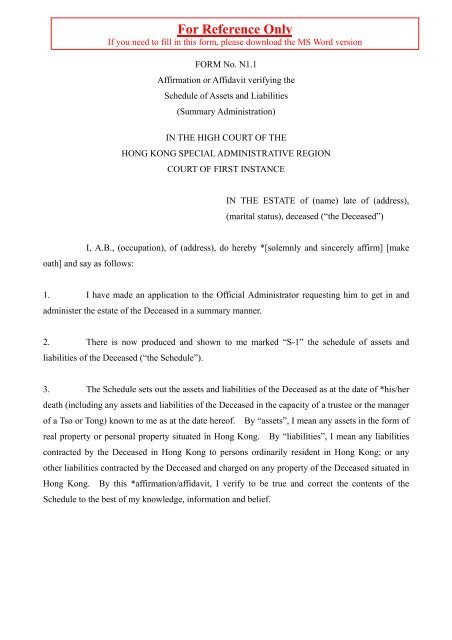
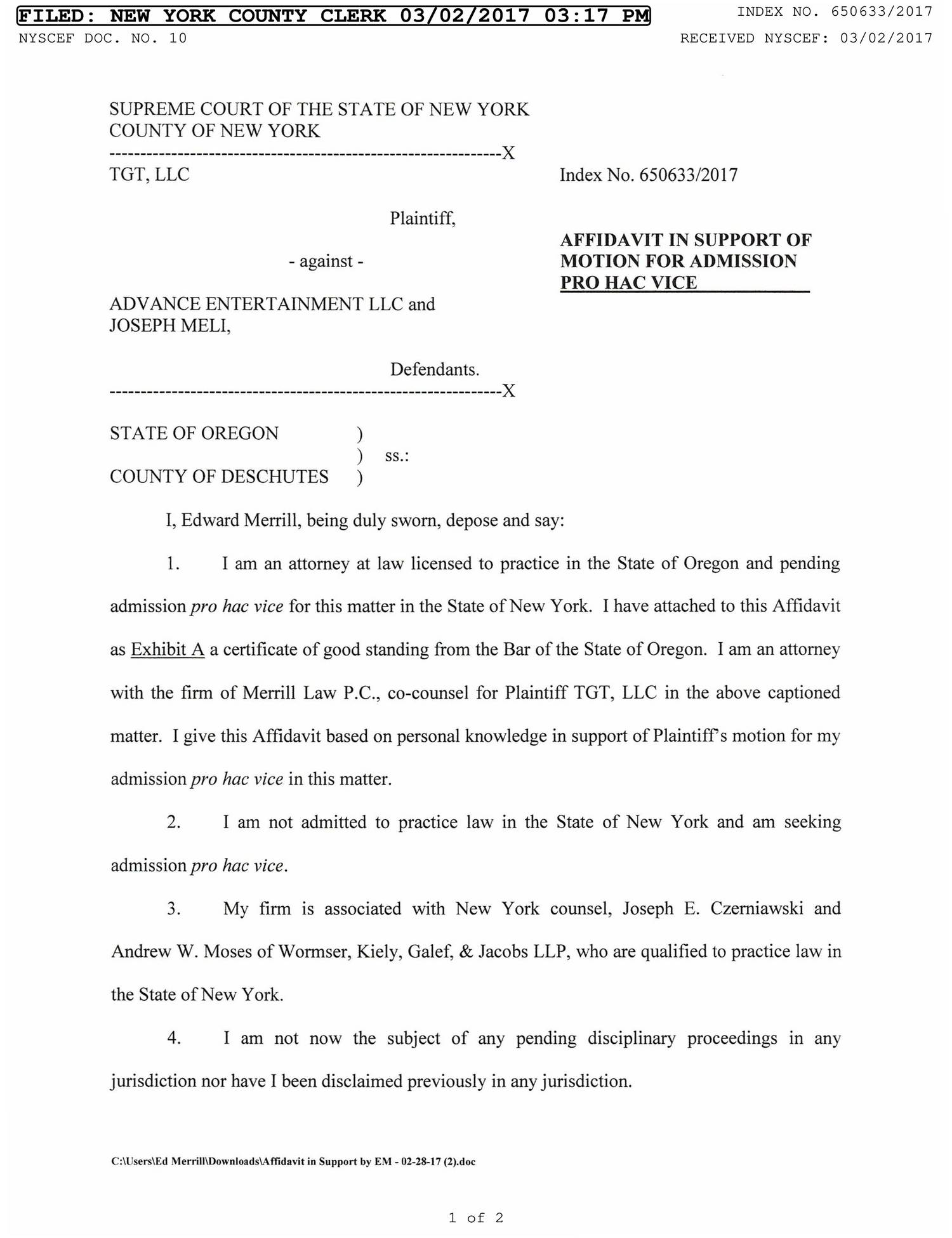
An affidavit is a written document where you state facts and promise they are true. You sign it in front of an official, like a notary public or court officer. Affidavits are used as evidence in court, legal transactions, and business deals.
Unlike an affirmation, an affidavit is always written. It can contain statements about what you saw, heard, or know. If you lie in an affidavit, you are committing a crime called perjury.
Key Elements Of An Affidavit
- Written Statement: All facts are written down clearly.
- Sworn or Affirmed: You must swear or affirm the truth of your statement.
- Signature and Date: You sign and date the document.
- Witnessed by Authorized Person: An official must see you sign.
Common Uses Of Affidavit
- Court Evidence: Presenting facts to a judge.
- Property Transactions: Proving ownership or debts.
- Immigration and Visas: Confirming family relationships or finances.
- Business Transactions: Confirming facts about a company.
Credit: www.yumpu.com
Key Differences: Affirmation Vs Affidavit
Although both are legal statements, they are not the same. The table below shows the main differences.
| Aspect | Affirmation | Affidavit |
|---|---|---|
| Form | Usually spoken | Always written |
| Main Use | Promise to tell the truth | Written evidence of facts |
| Made Before | Judge or official | Notary or official |
| Legal Value | Same as oath | Used as evidence |
| Religion | Non-religious | Can be sworn or affirmed |
It is important to note that an affidavit may be sworn (using an oath) or affirmed (using affirmation). So, affirmation can be part of an affidavit.
How They Work In Real Life
To make things clearer, let’s look at some practical examples.
Example 1: In Court
Sarah is called to testify in a trial. She does not want to swear on any religious text. The judge asks, "Do you wish to affirm?" Sarah says, "Yes." She makes an affirmation: "I solemnly affirm that the evidence I shall give shall be the truth, the whole truth, and nothing but the truth." She then answers the lawyer’s questions. This is an affirmation.
Example 2: For A Legal Document
Tom needs to prove his address for a bank. He fills out a written statement, adds his address, and signs it before a notary public. The notary watches Tom sign and then stamps the paper. Tom has just made an affidavit.
Example 3: Business Deal
A company director must confirm the company’s debts before selling shares. She writes all debts in a document, signs it, and affirms it is true before a notary. This is an affidavit, and her affirmation is part of it.
Why People Confuse Affirmation And Affidavit
The words sound similar and both deal with truth-telling. But the confusion happens because:
- Both can involve swearing or affirming.
- Both are used in court or legal matters.
- "Affirmation" can be part of an affidavit.
But remember: affirmation is your promise to be truthful (spoken or written), while an affidavit is a written document you swear or affirm is true.
Legal Value And Consequences
Both affirmation and affidavit have strong legal force. Lying in either case can have serious consequences.
Perjury
If you make a false statement in an affirmation or affidavit, you can be charged with perjury. This is a crime in many countries. Courts treat affirmations and oaths as equally powerful.
Enforceability
Affidavits are often used as evidence in court. A judge can rely on an affidavit as proof of facts. Affirmations are used to confirm that your testimony or statement is truthful. Both are enforceable, but affidavits are easier to use as written evidence.
When Should You Use An Affirmation?
Choose an affirmation if you:
- Do not want to swear an oath (for religious or personal reasons)
- Need to promise truthfulness in court or on a form
- Are asked if you prefer to "affirm" instead of "swear"
Affirmations are simple and direct. There is no religious language. You just state that you promise to tell the truth.
When Should You Use An Affidavit?
Choose an affidavit if you:
- Need to give a written statement of facts for legal or official use
- Want to provide evidence to a court, bank, or government office
- Are asked for a "sworn statement" in writing
Affidavits are very common in legal, business, and official matters. They must be signed in front of an authorized person.
Credit: www.docdroid.net
How To Prepare An Affirmation
If you are asked to affirm, follow these steps:
- Ask for Affirmation Option: If you do not want to swear, say you wish to affirm.
- Listen to the Official: The judge or official will read the affirmation words.
- Repeat the Words: Speak the words clearly.
- Stay Honest: Remember, you are legally bound to tell the truth.
Practical tip: You do not need to prepare anything in advance. Just tell the court you prefer affirmation.
How To Prepare An Affidavit
An affidavit needs more careful preparation. Here is a basic process:
- Write Your Statement: List the facts in clear, numbered paragraphs.
- Use Simple Language: Avoid complex words or unclear details.
- Include Personal Details: State your name, address, and reason for the affidavit.
- Date and Sign: Only sign in front of an authorized official.
- Go to a Notary or Official: Take your ID and the affidavit.
- Swear or Affirm: The official will ask if you want to swear or affirm.
- Official Signs and Stamps: The official completes the affidavit.
Example Paragraph In An Affidavit
"I, John Smith, of 10 Main Street, affirm as follows:
- On Monday, I was present at the office.
- I saw the documents signed by Mr. Jones.
- This statement is true to the best of my knowledge."
Important Legal Insights For Non-native English Speakers
Many people misunderstand the words "sworn," "affirmed," and "affidavit." Here are two key insights beginners often miss:
1. You Can Affirm Instead of Swear in Most Countries
If you do not want to use religious wording, you have the right to affirm. Courts and officials are used to this request. You will not get in trouble for choosing affirmation.
2. Affidavit Format Is Strict
Courts may reject an affidavit if it is not signed in front of a notary, or if the facts are not clear. Always check the local requirements for affidavits in your country or region.
Affidavit Vs Affirmation In Different Countries
Laws are not the same everywhere. Here is a simple comparison:
| Country | Affirmation Allowed? | Affidavit Common? |
|---|---|---|
| United States | Yes | Yes |
| United Kingdom | Yes | Yes |
| India | Yes | Yes |
| Saudi Arabia | No (oath required in many cases) | Yes |
| Japan | Yes | Rare |
Always check local laws before preparing an affidavit or asking to affirm.
Common Mistakes And How To Avoid Them
Legal mistakes can cause delays or even legal problems. Here are some you should avoid:
1. Mixing Up The Words
Some people say "I will give an affidavit" when they mean "I will affirm. " Use the right word for the right situation.
2. Not Signing In Front Of An Official
An affidavit is not valid unless an authorized person sees you sign.
3. Using Informal Language
Affidavits should use clear, formal language. Do not use jokes or unclear stories.
4. Forgetting To Date The Document
Always add the date when you sign. Some offices will reject undated affidavits.
5. Not Checking Local Rules
The requirements for affirmation and affidavit can change by region. Always check before you prepare your document.
The Process: Step By Step
Here’s how the process works for both affirmation and affidavit.
| Step | Affirmation | Affidavit |
|---|---|---|
| 1 | Asked to testify or make a statement | Need to provide written statement |
| 2 | Choose affirmation or oath | Write facts clearly |
| 3 | Repeat affirmation words | Go to notary or official |
| 4 | Begin testimony or sign document | Sign in front of official |
| 5 | Promise to be truthful | Official stamps and keeps record |
Practical Tips For Choosing The Right Document
- If you are speaking in court and want a non-religious option, choose affirmation.
- If you need a document as written proof, prepare an affidavit.
- Always use clear, simple language.
- Sign only in front of an authorized official.
- Ask for help if you are unsure which document to use.
When Do Organizations Ask For Affirmation Or Affidavit?
- Courts: For testimony, written statements, or evidence.
- Banks: For proof of address, income, or ownership.
- Schools and Universities: For confirming parent or guardian details.
- Government Offices: For immigration, passport, or marriage paperwork.
Some forms will ask you to "swear or affirm" the truth. You can choose affirmation if you prefer.
The Role Of Notaries And Officials
A notary public or similar official is often required for affidavits. Their job is to make sure:
- You are who you say you are (by checking ID)
- You sign the document in front of them
- The document is complete and clear
For affirmations (especially in court), the judge or clerk is the official.
Digital Affidavits And Affirmations
With more work done online, some countries now allow electronic affidavits. You may sign a document digitally and use a video call with a notary. Always check if your country accepts digital signatures and affidavits.
Affirmations given over video or phone are also sometimes allowed, but rules are strict. If you need to use a digital process, ask the court or notary for guidance.
Credit: www.template.net
How To Spot A Valid Affidavit Or Affirmation
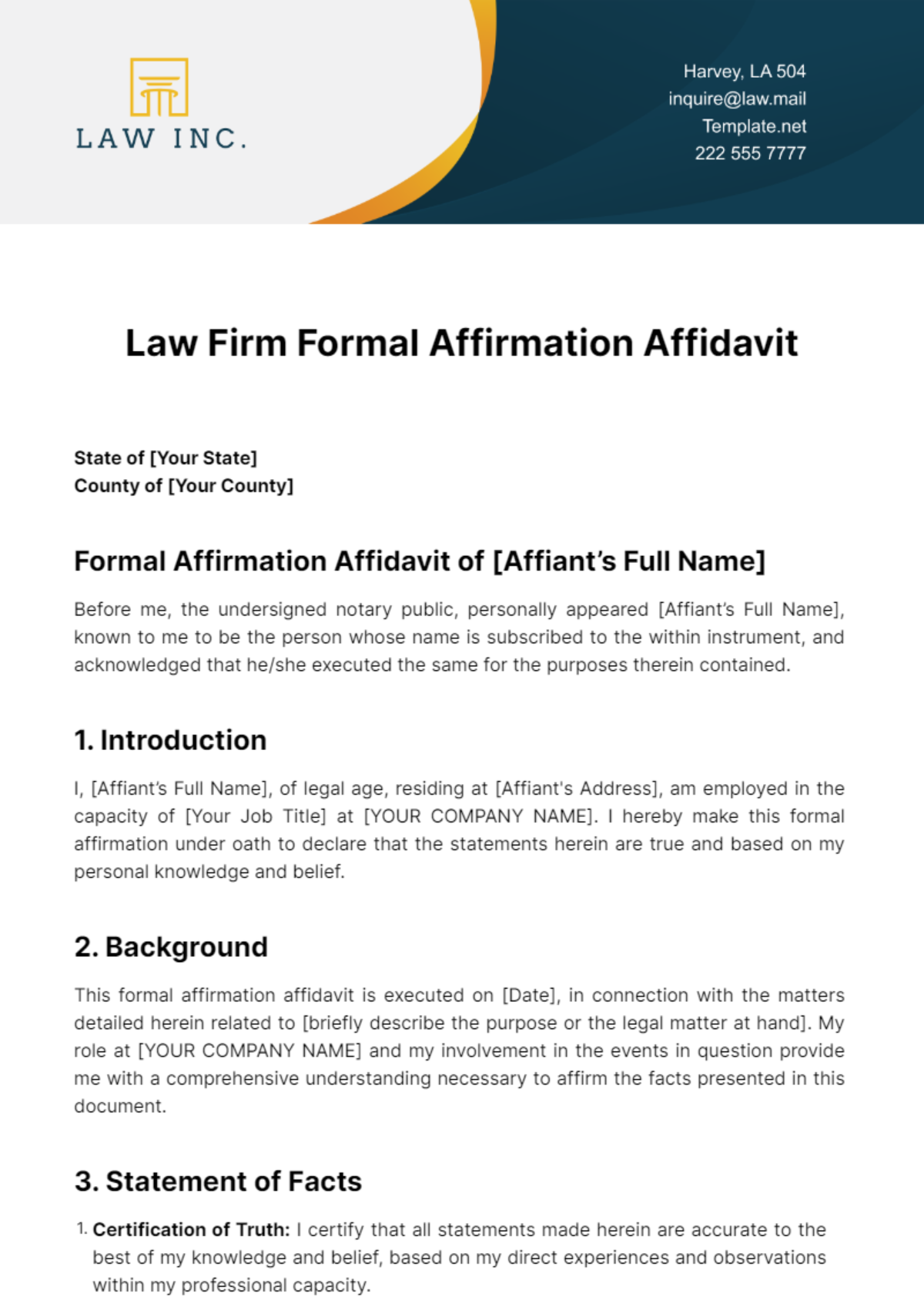
- Full Name: Your name is clear.
- Facts: Each fact is listed in a numbered point.
- Signature and Date: Signed in front of an official.
- Official Stamp or Seal: Shows it is witnessed.
- Affirmation or Oath Statement: Explains you promise the facts are true.
If any part is missing, the document may not be accepted.
Insights That Save Time And Trouble
1. You Do Not Need a Lawyer to Make an Affidavit
Many people think only lawyers can make affidavits. This is not true. You can write your own, but it must be clear and true.
2. You Can Choose Your Own Language
In most places, you can make an affirmation or affidavit in your first language if you do not speak English well. An official translator may be needed.
These insights can save you from unnecessary stress and legal problems.
When To Get Legal Help
- If you are unsure about the facts to include
- If your case is complex or involves large sums of money
- If the affidavit or affirmation will be used in court
A lawyer can help you write a clear, valid document and avoid mistakes.
Useful External Resource
For more details about legal documents, you can visit the Wikipedia page on Affidavits.
Frequently Asked Questions
What Is The Main Difference Between Affirmation And Affidavit?
The main difference is that affirmation is usually a spoken promise to tell the truth, often used instead of a religious oath. An affidavit is a written statement of facts, sworn or affirmed as true, used as evidence in legal and official matters.
Can An Affidavit Be Based On An Affirmation?
Yes. When you make an affidavit, you can choose to "affirm" instead of "swear. " The affidavit will state that you have affirmed the truth of your statements, making it valid for those who do not wish to use religious language.
Is Lying In An Affirmation Or Affidavit A Crime?
Yes. Lying in either an affirmation or affidavit is called perjury, which is a serious crime. The law treats affirmations and oaths as equal, so always be honest.
Do I Need A Lawyer To Make An Affidavit?
No, you do not need a lawyer to make an affidavit. However, your affidavit must be clear, true, and signed in front of an authorized official. If your situation is complex, getting legal advice is a good idea.
Are Digital Affidavits And Affirmations Accepted?
In many countries, yes. Some allow digital signatures and video calls with notaries for affidavits. Affirmations can sometimes be made by video or phone, especially in special situations. Always check local rules before using digital documents.
Legal documents can seem confusing, but understanding the basics of affirmation and affidavit can help you avoid mistakes. Now, you can choose the right document for your needs and protect yourself in legal matters.
