

Affirmation Rules: Transform Your Mindset for Lasting Success
Affirmation Rules: The Complete Guide To Creating Powerful Self-talk
Positive self-talk can change the way we think, feel, and act. Many people use affirmations—short, positive statements—to boost confidence, reach goals, and manage stress. But not all affirmations work the same way. Some people repeat affirmations daily but see no results. Why? The answer is simple: there are key rules for making affirmations effective. If you follow these rules, your self-talk can become a tool for real change.
Many beginners misunderstand how affirmations work. They think repeating any positive phrase will bring results. In reality, effective affirmations need careful design and practice. This article will guide you through the most important affirmation rules. You will learn what works, what doesn’t, and how to build affirmations that truly support your goals. We will also clear up common mistakes and answer your top questions. If you want to master the art of self-talk, keep reading.
What Are Affirmations?
Affirmations are short, positive statements that describe a desired situation or quality. People use them to influence their thoughts, feelings, and actions. For example, saying “I am confident” can help you feel more self-assured over time.
Affirmations work through repetition. When you repeat a phrase, your brain starts to believe it. Over time, this can change your mindset and even your behavior. Studies show that positive self-talk can reduce stress, improve performance, and support mental health.
However, not every affirmation is helpful. Some make you feel worse, especially if they sound unrealistic or forced. That’s why following affirmation rules is so important.
Why Affirmation Rules Matter
Rules for affirmations help you avoid common mistakes. They make your statements believable, personal, and effective. When you follow these rules, you increase your chances of real change.
Many people skip these steps and wonder why their affirmations don’t work. They may feel frustrated or give up too soon. Understanding the key rules will help you avoid these problems and get the most out of your self-talk practice.
Let’s explore the most important affirmation rules and how to use them.
Rule 1: Use Present Tense
Affirmations must speak about the present moment. This means using words like “I am,” “I have,” or “I feel.” For example:
- “I am calm and relaxed.”
- “I have the skills to succeed.”
If you say, “I will be confident,” your brain sees confidence as something in the future. It creates distance between you and your goal. But “I am confident” tells your mind it is happening right now. This small change makes a big difference.
Non-obvious insight: Some people make the mistake of using future tense without noticing it. Check your statements and always bring them back to the present.
Rule 2: Keep It Positive
Focus on what you want, not what you want to avoid. Avoid negative words like “not,” “never,” or “don’t. ” For example, instead of “I am not anxious,” say “I am calm. ”
Your mind often ignores the word “not. ” If you say, “I am not stressed,” your brain may only focus on “stressed. ” This can make things worse. Always state affirmations in a positive way.
Example:
- Negative: “I don’t want to fail.”
- Positive: “I achieve my goals.”
Practical tip: If you catch yourself making a negative affirmation, quickly rephrase it into a positive one.
Rule 3: Make It Personal
Affirmations work best when they are personal. Use “I” statements, not “you,” “we,” or “they.” For example:
- “I am worthy of success.”
- “I choose happiness every day.”
When your affirmation is personal, your mind connects with it. It feels relevant and true to your experience.
Beginner mistake: Copying affirmations from others without making them personal. Take time to adjust the words so they fit your needs and style.
Rule 4: Be Specific
Vague affirmations are less powerful. The more specific your statement, the better. Instead of saying, “I am successful,” try “I am successful in my job as a teacher.”
Specific affirmations give your mind a clear picture. This helps your brain focus and believe the statement.
Example:
- Vague: “I am healthy.”
- Specific: “I eat nutritious foods every day.”
Non-obvious insight: Specific affirmations are easier to measure. You can see progress and adjust them as needed.
Rule 5: Keep It Short And Simple
Long affirmations are hard to remember and repeat. Use short, simple phrases. This makes it easy to practice and believe your affirmation.
- “I am grateful.”
- “I am creative.”
- “I am focused and productive.”
A simple affirmation is more likely to stick in your mind.
Tip: If you can’t remember your affirmation without looking, it’s probably too long.
Rule 6: Make It Believable
Affirmations must feel believable to you. If you say “I am a millionaire” but don’t believe it, your mind may reject the statement. This can cause stress or doubt.
Instead, find a statement you can accept. For example:
- “I am open to new opportunities for wealth.”
- “I am learning to manage money well.”
As your confidence grows, you can change the affirmation to something bigger.
Practical example: If you feel shy, don’t start with “I am the most confident person.” Start with “I am becoming more confident each day.”
Rule 7: Use Emotion
The best affirmations include emotion. Emotion makes your statement stronger and more memorable. Add feeling words like “joy,” “gratitude,” or “proud.”
- “I am excited to start my day.”
- “I feel grateful for my friends.”
When you include emotion, your brain pays more attention. This helps your affirmation become part of your mindset.
Non-obvious insight: Some people repeat affirmations with no emotion. For best results, imagine the feeling as you say the words.
Rule 8: Visualize As You Say It
While repeating your affirmation, visualize the result. Picture yourself acting, feeling, or living the statement. For example, if you say “I am confident,” imagine yourself speaking in public with ease.
Visualization activates more parts of your brain. It makes your affirmation feel real. Studies show that combining words and mental images can improve results.
Tip: Spend a few seconds visualizing each time you say your affirmation.
Rule 9: Repeat Consistently
Affirmations only work with regular practice. Repeat your statements daily. The best times are early in the morning or before bed. You can also say them during stressful moments.
Some people write affirmations in a journal or post them on mirrors. Others set reminders on their phone.
Data insight: Research suggests it takes at least 21 days to create a new habit. Make affirmation practice part of your daily routine for lasting results.
Rule 10: Say Them Out Loud
Speaking affirmations out loud has more impact than silent repetition. Hearing your own voice can strengthen the message. It uses more senses and helps your brain accept the statement.
If you can, look in the mirror and say your affirmation. This builds self-trust and confidence.
Beginner tip: If you feel awkward, start by whispering. With time, you’ll feel more comfortable saying them clearly.
Rule 11: Write Them Down
Writing affirmations by hand can make them stronger. The act of writing helps your brain process the message. Some people keep an affirmation journal and write their statements every day.
- Write your affirmation three to five times.
- Reflect on how it makes you feel.
- Notice any changes in your thoughts or actions.
Writing also helps you track progress and see changes over time.
Rule 12: Adjust As You Grow
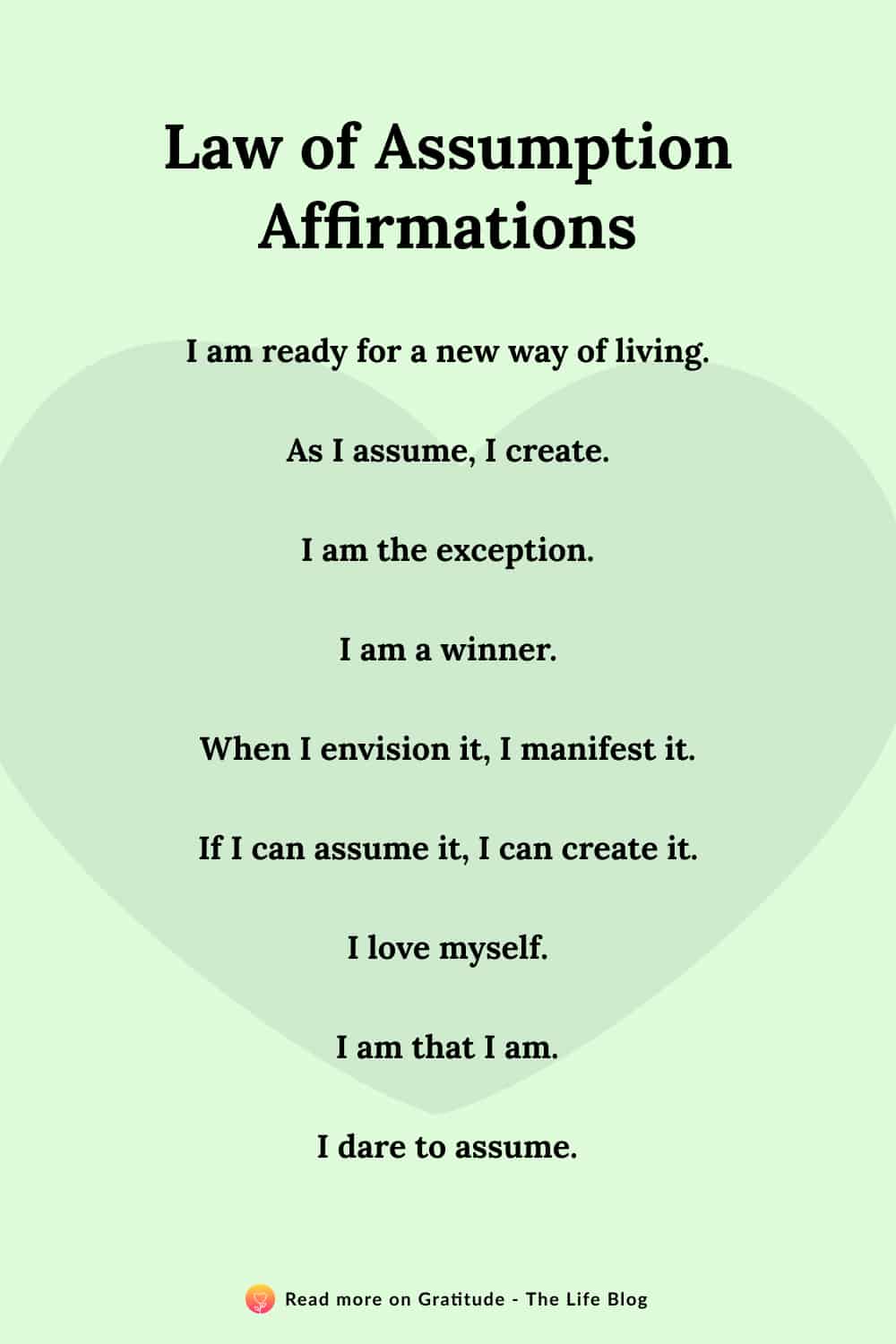
As you change, your affirmations should change too. Review your statements every few weeks. If you have reached a goal, create a new affirmation. If something doesn’t feel right, adjust the words.
Personal growth is a journey. Your affirmations should match your current needs, challenges, and dreams.
Practical example: If you overcome shyness, you might change “I am becoming more confident” to “I am a confident communicator.”
Credit: blog.gratefulness.me
Rule 13: Avoid Unrealistic Claims
Affirmations should be aspirational but not unbelievable. If your statement feels impossible, your brain will resist. For example, “I am the world’s best athlete” may not be believable. Instead, try “I am improving my athletic skills every day.”
Unrealistic affirmations can cause frustration. They may even lower your motivation.
Tip: Start small and build up. As your self-belief grows, make your affirmations bolder.
Rule 14: Use Action Words
Strong affirmations use active verbs. Words like “create,” “enjoy,” “embrace,” and “choose” give your statement energy.
- “I create positive change.”
- “I enjoy learning new things.”
Action words make your affirmation feel dynamic and alive.
Non-obvious insight: Passive statements (“I am respected”) can feel less motivating than active ones (“I earn respect”).
Rule 15: Focus On One Or Two At A Time
Too many affirmations at once can dilute your focus. Choose one or two key affirmations to practice each week. This helps you stay consistent and measure progress.
When you master one area, move to the next.
Practical tip: Post your main affirmation in a place you see often, like your bathroom mirror or phone lock screen.
Rule 16: Use Present Evidence
Sometimes, it helps to anchor your affirmation in present evidence. Link your statement to something real in your life.
- “I am creative; I write new ideas every day.”
- “I am a caring friend; I listen to others.”
This strategy makes your affirmation believable and connected to daily actions.
Beginner mistake: Ignoring your current strengths. Always look for proof that supports your affirmation.
Rule 17: Match Your Values
Affirmations work best when they fit your personal values. If you value honesty, use affirmations about truth and integrity.
- “I speak honestly and kindly.”
- “I act with integrity.”
If your affirmation doesn’t match your values, it may feel empty or forced.
Tip: Take time to reflect on what matters most to you before creating affirmations.
Rule 18: Avoid Comparison
Affirmations should focus on your own growth, not comparing yourself to others. For example, avoid “I am better than others” or “I am the smartest person in the room.”
Comparisons can create stress and competition. Instead, focus on your unique strengths and progress.
- “I am improving every day.”
- “I am proud of my achievements.”
Non-obvious insight: Affirmations that compare may hurt your self-esteem over time. Choose self-focused statements.
Rule 19: Practice Patience
Change takes time. Don’t expect instant results from affirmations. Sometimes, you may not notice progress for days or weeks. Trust the process and stay consistent.
If you feel frustrated, remind yourself that growth is a journey. Celebrate small wins along the way.
Data insight: Research shows that mindset changes often appear slowly but become stronger with steady practice.
Rule 20: Review And Reflect
Set aside time to review your affirmations. Reflect on what is working and what isn’t. Are you seeing changes in your thoughts, feelings, or actions? Adjust your practice as needed.
Journaling is a powerful tool for reflection. Write about your experiences and any new insights.
Practical example: Once a month, ask yourself, “How have my affirmations helped me? What can I change?”
Common Affirmation Mistakes
Many people make similar mistakes when starting with affirmations. Avoid these pitfalls for better results:
- Using negative words: Saying what you don’t want.
- Choosing unrealistic statements: Making claims you can’t believe.
- Lack of emotion: Repeating words with no feeling.
- Inconsistent practice: Forgetting or skipping days.
- Copying others: Using affirmations that don’t fit your life.
Non-obvious insight: Even experienced users can fall into these traps. Regular review helps you stay on track.
Affirmation Examples
Here are some examples following all the rules:
- “I am proud of my progress.”
- “I choose to stay calm under stress.”
- “I am learning new skills every day.”
- “I am worthy of love and respect.”
- “I am grateful for my healthy body.”
Try creating your own using the rules above.
Comparing Good Vs. Weak Affirmations
Here’s a simple comparison to help you spot strong versus weak affirmations:
| Weak Affirmation | Strong Affirmation | Why It Works |
|---|---|---|
| I will be happy | I am happy now | Uses present tense; feels immediate |
| I am not afraid | I am brave | Focuses on positive quality |
| I want to be successful | I am achieving my goals | Active, positive, specific |
How To Track Affirmation Progress
To measure your progress, try these strategies:
- Journaling: Write about changes you notice in your mood, thoughts, or actions.
- Score your feelings: Rate your confidence, happiness, or calmness before and after using affirmations.
- Ask for feedback: Notice if friends or colleagues see changes in you.
Sample tracking table:
| Date | Affirmation Used | Mood Before | Feeling After | Notes |
|---|---|---|---|---|
| Monday | I am calm and focused | Stressed | More relaxed | Helped during meeting |
| Tuesday | I am learning every day | Unmotivated | Inspired | Started new online course |
Tracking helps you see real benefits and motivates you to keep going.
How Affirmations Affect The Brain
Research shows that affirmations activate the reward centers in the brain. When you repeat a positive statement, your brain releases chemicals that make you feel good. Over time, this can change your beliefs and actions.
A study published by the National Institutes of Health found that self-affirmation can reduce stress and improve problem-solving. The brain responds best to affirmations that are personal, emotional, and repeated regularly.
For more detailed information, visit the Wikipedia Affirmations Page.
Using Affirmations In Different Areas Of Life
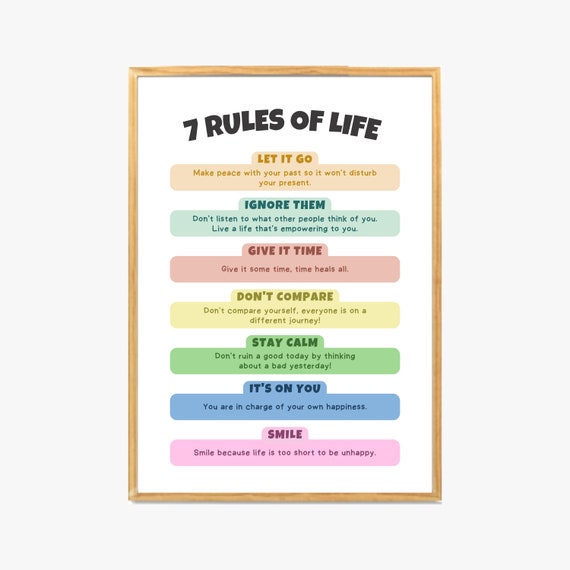
Affirmations can help in many parts of life. Here are some examples:
Health
- “I choose healthy foods every day.”
- “I enjoy moving my body.”
Work
- “I am capable and skilled at my job.”
- “I contribute valuable ideas.”
Relationships
- “I am a caring and supportive friend.”
- “I communicate with kindness.”
Self-esteem
- “I accept myself as I am.”
- “I am proud of who I am becoming.”
Non-obvious insight: You can create area-specific affirmations to target different goals.
Credit: www.etsy.com
Combining Affirmations With Other Techniques
Affirmations are more powerful when combined with other growth practices:
- Meditation: Repeat affirmations during meditation for deeper impact.
- Visualization: Picture your affirmation becoming real.
- Gratitude practice: Add affirmations to your gratitude journal.
- Goal setting: Use affirmations related to your goals.
Combining techniques creates a stronger effect and makes change more likely.
Affirmation Rules At A Glance
Here’s a quick summary:
| Rule | Key Point |
|---|---|
| Present tense | Speak as if it’s happening now |
| Positive words | State what you want |
| Personal | Use “I” statements |
| Specific | Be clear and detailed |
| Short and simple | Easy to remember |
| Believable | Feels true to you |
| With emotion | Add feeling words |
| Visualize | Picture the result |
| Repeat daily | Make it a habit |
| Say out loud | Hear your own voice |
| Write them down | Use an affirmation journal |
| Adjust as you grow | Update your statements |
| Avoid unrealistic claims | Keep it aspirational but possible |
| Use action words | Make it active and lively |
| Focus on one or two | Keep your practice manageable |
| Use present evidence | Link to real experiences |
| Match your values | Align with what matters to you |
| Avoid comparison | Focus on your own growth |
| Practice patience | Allow time for change |
| Review and reflect | Check progress and adjust |

Credit: www.ewtnnews.com
Frequently Asked Questions
What Is The Best Time To Practice Affirmations?
The best times are early morning or before bed. These moments are quiet, and your mind is more open to positive suggestions. However, you can use affirmations any time you need a mood boost or before important events.
Can Affirmations Work For Everyone?
Affirmations can help most people, but they work best when they are personal, believable, and practiced regularly. If you have deep doubts or mental health concerns, affirmations are one tool among many. Sometimes, professional support is also needed.
How Long Does It Take To See Results?
Results vary. Some people notice changes in a few weeks, while others need more time. Consistency is key—practice every day and be patient with yourself.
Do I Have To Say Affirmations Out Loud?
Saying them out loud is more powerful, but you can also write or think affirmations if you’re not comfortable speaking. Over time, try to say them with emotion and confidence for the best effect.
What If I Don’t Believe My Affirmation?
Start with a statement that feels almost true. For example, instead of “I am confident,” try “I am learning to be confident.” As you practice and see small changes, adjust your affirmation to be bolder.
Affirmations are a simple but powerful tool for changing your mindset and life. If you follow these rules and make affirmations part of your daily routine, you can create real and lasting change. Stay patient, keep practicing, and watch as your self-talk shapes your reality.
