

Affirmation Rules: Transform Your Mindset for Lasting Success
Affirmation Rules: The Complete Guide To Positive Self-talk That Works
Positive self-talk is a powerful tool that many people use to change their mindset, improve their mood, and reach their goals. These positive statements, called affirmations, are more than just words—they are a way to reshape how you see yourself and the world around you. But not all affirmations work the same way. Some can actually make you feel worse, especially if you don’t follow the right rules. Many beginners get confused about how affirmations should be formed, when to use them, and what to avoid. This guide explains the most important affirmation rules that help you create statements that actually make a difference. You’ll learn the science behind affirmations, common mistakes, and practical tips that go beyond the basics.
What Are Affirmations?
Affirmations are short, positive sentences you repeat to yourself. Their purpose is to encourage positive thinking and help you build confidence. For example, saying “I am strong” every day can slowly help you believe that you are indeed strong, even during difficult times.
Research shows that repeated positive statements can change how you feel, think, and act. However, for affirmations to work, they must be crafted and used correctly.
Why Affirmation Rules Matter
Many people try affirmations and give up when they don’t see results. The main reason is that they ignore the affirmation rules. If your statements are not believable, too general, or focused on the wrong thing, your mind will reject them. Also, repeating random phrases without emotion or intention rarely works. By following the right rules, you can avoid frustration and unlock the real power of affirmations.
The Science Behind Affirmations
Our brains have something called the reticular activating system (RAS). This system acts like a filter, focusing your attention on what you tell it is important. When you use affirmations, you tell your brain what to look for, making it easier to notice opportunities and solutions. MRI studies show that positive self-talk can even change brain activity, especially in areas linked to self-value and motivation. But, the effect depends on how you use affirmations—just repeating words is not enough.
15 Essential Affirmation Rules
To get the best results from affirmations, follow these 15 essential rules. Each rule is explained with examples, common mistakes, and practical tips.
1. Use Present Tense
Affirmations should be in the present tense. For example, say “I am confident,” not “I will be confident.” This tells your mind that the change is happening now, not in the future.
- Wrong: “I will be happy.”
- Right: “I am happy.”
This rule is often missed by beginners, but it’s critical. Your subconscious mind works best with statements that feel immediate.
2. Keep It Positive
Focus on what you want, not what you don’t want. Avoid using words like “not,” “never,” or “don’t. ” For example, instead of “I am not afraid,” say “I am brave. ”
- Wrong: “I am not stressed.”
- Right: “I am calm and relaxed.”
Negative wording can confuse your mind, making the affirmation less powerful.
3. Make It Personal
Use the word I or my to keep the affirmation about you. This makes it easier to believe and connects the statement to your own life.
- Wrong: “People are successful.”
- Right: “I am successful.”
Personal affirmations have a stronger emotional impact than general statements.
4. Be Specific
General affirmations like “I am great” often feel empty. Instead, be clear and specific about what you want to change or achieve.
- General: “I am healthy.”
- Specific: “I enjoy eating healthy foods every day.”
Specific affirmations are more believable and easier for your mind to accept.
5. Use Emotionally Charged Words
Add words that create strong feelings. For example, “I am deeply grateful for my caring friends” is more powerful than “I have friends. ”
Emotion is the fuel that powers affirmations. The more you feel the words, the better they work.
6. Keep Statements Short And Simple
Long, complicated affirmations are hard to remember and repeat. Short sentences are easier to say and stick in your mind.
- Too long: “I am becoming a person who is always calm, no matter what happens.”
- Simple: “I am calm and centered.”
Aim for clarity and simplicity.
7. Focus On What You Can Control
Affirmations should focus on your actions, attitude, or mindset, not on controlling other people or outside events.
- Unhelpful: “My boss will always respect me.”
- Better: “I respect myself and act with confidence.”
This rule keeps affirmations realistic and reduces frustration.
8. Make Them Believable
If your affirmation feels impossible, your mind will reject it. Start with statements you can believe, even if only a little. For example, instead of “I love public speaking” (if you fear it), try “I am learning to speak confidently in public.
”
Believability is key. You can adjust your affirmation as your confidence grows.
9. State What You Want To Become
Affirmations are not about denying reality but about focusing on your desired direction. For example, “I am becoming more organized every day” is better than denying your current messiness.
This approach feels more honest and less forced.
10. Repeat Regularly
Repeating affirmations often is important. The more you say them, the more they influence your thinking. Experts suggest repeating affirmations at least twice a day—morning and night.
Consistency is more important than quantity. Ten focused repeats are better than a hundred rushed ones.
11. Use Affirmations During Emotional Moments
Affirmations are most effective when your emotions are strong, such as when you feel anxious, excited, or doubtful. In these moments, your mind is more open to new ideas.
For example, repeat “I am safe and secure” when you feel afraid.
12. Write Down Your Affirmations
Writing by hand helps your brain process the words more deeply. Keep a journal for your affirmations. Seeing them written down also serves as a visual reminder.
Some people post affirmations on mirrors or walls for extra support.
13. Visualize As You Say Affirmations
Picture yourself living the affirmation as you say it. If your affirmation is “I am confident,” imagine yourself speaking in front of a group with a strong voice and relaxed body language.
Visualization makes the affirmation feel more real and speeds up change.
14. Adjust Affirmations As You Grow
As your beliefs change, update your affirmations to match your progress. What worked at first may feel weak later. For example, after you get comfortable with “I am learning to be confident,” you might upgrade to “I am confident. ”
This flexibility keeps affirmations effective over time.
15. Avoid Overly Grand Statements
“I am a billionaire” may sound exciting, but if your life is far from that, your mind will resist the idea. Stretching your affirmations too far can lead to disappointment or even negative feelings.
Start with achievable steps and build up as your belief grows.

Credit: www.ewtnnews.com
Examples Of Effective Affirmations
Here are some examples that follow the rules above:
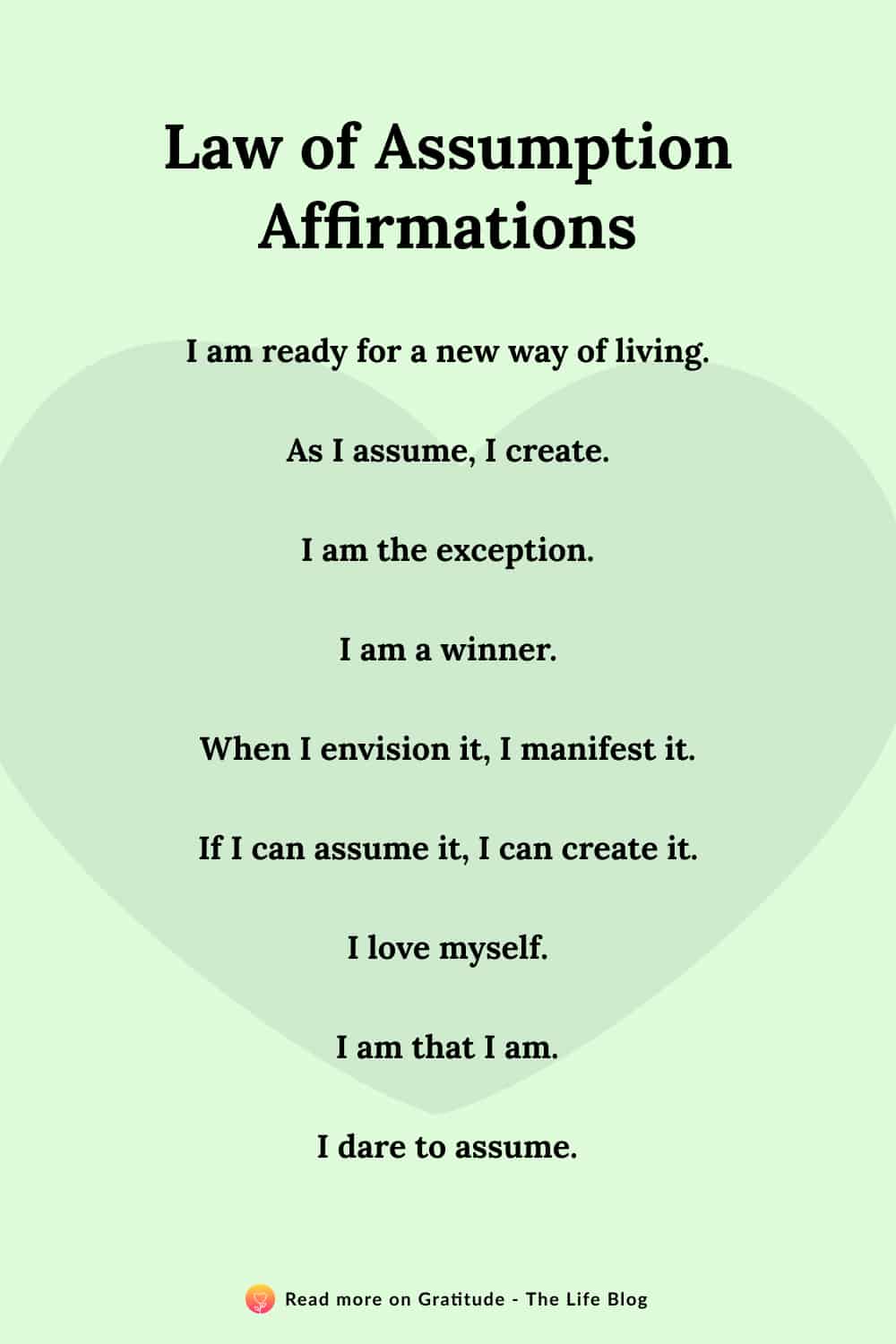
- “I am calm and centered, even in stressful situations.”
- “I enjoy learning new things every day.”
- “I am worthy of love and respect.”
- “I am improving my health with every choice I make.”
- “I face challenges with courage and creativity.”
Notice how these statements are positive, present tense, personal, and specific.
Common Affirmation Mistakes
Many people use affirmations but don’t see results. Here are the most frequent mistakes:
- Lack of emotion: Saying affirmations in a bored or distracted way.
- Too vague: Using statements like “I am awesome” without details.
- Focusing on negatives: Saying “I am not sad” instead of “I am joyful.”
- Ignoring feelings: Using affirmations that feel fake or unbelievable.
- Not repeating: Forgetting to use affirmations regularly.
Avoiding these mistakes can make a big difference in your results.
How To Choose The Right Affirmations
Choosing the right affirmation depends on your goals and current beliefs. Here’s a simple process:
- Identify the area you want to improve (confidence, health, relationships, etc. ).
- Notice your current self-talk and how you feel.
- Write an affirmation that is positive, present, personal, and believable.
- Test the affirmation. If it feels possible and motivating, use it. If not, adjust it.
You can also use the following table to compare weak and strong affirmations:
| Weak Affirmation | Strong Affirmation |
|---|---|
| I am not afraid of failing. | I am courageous and learn from every experience. |
| I will become healthy. | I am making healthy choices today. |
| People like me. | I am likable and attract positive people. |
How Affirmations Compare To Other Self-help Methods
Affirmations are only one tool for changing your mindset. Let’s see how they compare to other popular methods:
| Method | Focus | Best For |
|---|---|---|
| Affirmations | Positive self-talk | Changing beliefs and mindset |
| Visualization | Mental imagery | Building motivation and clarity |
| Gratitude Journaling | Noticing positives | Boosting happiness and optimism |
| Meditation | Calming the mind | Reducing stress and anxiety |
You can combine these methods for even better results.
When Affirmations Don’t Work
Sometimes, affirmations don’t bring the change you hope for. Here are reasons why this happens:
- The affirmation feels fake or too far from your reality.
- You repeat it without emotion or intention.
- You use negative or unclear statements.
- There are deep beliefs or traumas blocking change.
If you notice resistance or negative feelings, adjust your affirmation to something smaller and more believable. Sometimes, working with a coach or therapist can help uncover blocks you can’t see on your own.
How Long Does It Take To See Results?
There is no magic number of days for affirmations to work. For some, small changes happen in a week. For others, it may take months. The key is consistency and belief. Most people see changes in attitude or mood within a few weeks if they practice daily.
A good tip: Track your feelings and actions in a journal. This helps you notice small changes that you might miss.
Advanced Tips For Power Users
If you have used affirmations before, try these advanced strategies:
- Combine with action: Take small steps that match your affirmation. If you say, “I am a healthy eater,” prepare a healthy meal.
- Use “I am becoming”: For big goals, use “I am becoming more confident each day” to ease your mind into change.
- Anchor to routines: Repeat affirmations while brushing your teeth, walking, or commuting.
- Record and listen: Record your affirmations in your own voice and listen during quiet moments.
- Pair with music: Use a calming or inspiring song while repeating affirmations.
These steps deepen the effect by making affirmations part of your daily life.
Insights Most Beginners Miss
Many people think affirmations are only about words, but two non-obvious factors are often ignored:
- Your environment matters. If you repeat positive self-talk in a negative environment, it’s much harder to believe. Try to surround yourself with supportive people or inspiring materials.
- Affirmations work best when linked to actions. If you say “I am disciplined” but never act in a disciplined way, your mind will resist. Small, matching actions help your brain believe the words.
Understanding these points helps you avoid frustration and reach your goals faster.
Credit: blog.gratefulness.me
Real-life Example: From Doubt To Belief
Maria struggled with low confidence at work. She started with the affirmation, “I am confident,” but it felt fake. She changed it to “I am learning to speak up in meetings. ” This felt true and doable. Each time she spoke in a meeting, she repeated her affirmation.
Over time, she adjusted it to “I speak clearly and confidently in meetings. ” Her confidence grew as her self-talk and actions matched. This example shows the importance of adjusting affirmations and taking action.
Frequently Asked Questions
What Is The Best Time To Use Affirmations?
You can use affirmations at any time, but the most effective moments are right after waking up and before going to bed. These times are when your mind is most open to new ideas. You can also use affirmations during emotional moments, such as when you feel nervous or need encouragement.
Do Affirmations Really Work For Everyone?
Affirmations can help most people, but not always in the same way. Some people notice quick changes, while others need more time. The key is to make your affirmations believable and repeat them with emotion. If you have deep negative beliefs, you may need other tools or support as well.
How Many Affirmations Should I Use Each Day?
It’s best to focus on 2-5 affirmations at a time. Too many can feel overwhelming or lose meaning. Start with a small number and repeat them regularly. As you see progress, you can add or change your affirmations.
Can Affirmations Replace Professional Help?
Affirmations are a helpful tool, but they are not a replacement for medical or psychological help. If you struggle with deep issues like depression or trauma, it’s important to seek support from a professional. Affirmations can be used alongside therapy or counseling for extra support.
Credit: www.etsy.com
Where Can I Find More Scientific Information About Affirmations?
You can learn more from trusted sources like Wikipedia, which explains the science and history behind affirmations.
Affirmations are a simple yet powerful way to change your mindset. By following these affirmation rules, you give your words the best chance to create real change. Remember to be patient, adjust your statements as you grow, and combine positive self-talk with action.
With practice, affirmations can help you build a stronger, more positive life—one word at a time.
