

Affirmation Benefits: Unlocking Positive Change in Your Life
Practicing affirmations has become more popular as people look for ways to boost their confidence, mental health, and overall happiness. You might have seen phrases like “I am enough” or “I believe in myself” posted on social media, written on sticky notes, or said out loud in front of a mirror. But are these positive statements just a trend, or do they truly offer real benefits? This article dives deep into affirmation benefits, looking at how they work, why they matter, and how you can use them in your daily life.
We’ll explore how affirmations impact your mind, emotions, and even physical health. You’ll discover science-backed insights, practical examples, and surprising ways affirmations can change how you think and feel. Whether you’re new to affirmations or already use them, this guide will show you how to get the most out of them—and avoid common mistakes many beginners make.
What Are Affirmations?
Affirmations are simple, positive statements you repeat to yourself, usually to challenge negative thoughts or encourage a healthier mindset. For example, saying “I am capable” or “I handle challenges well” helps shift focus from self-doubt to self-belief.
These statements can be spoken, written, or even visualized. They are usually short and focused, making them easy to remember and repeat. The goal is to shape your thinking in a more optimistic direction, especially when you face stress or self-criticism.
How Affirmations Work In The Brain
Understanding the science behind affirmations helps explain why they are powerful. When you repeat positive statements, your brain starts to create new pathways. This process is called neuroplasticity—your brain’s ability to reorganize and change throughout your life.
When you say something like “I am confident,” your brain begins to connect this idea to your self-image. Over time, these connections get stronger, making the affirmation feel more real. It’s similar to practicing a physical skill—repetition builds strength.
Research shows that self-affirmation activates parts of the brain linked to reward and self-processing, helping you feel more open to positive change. This means affirmations are not just “feel good” words—they have a real effect on your mind.

Credit: www.kelphr.com
Key Benefits Of Affirmations
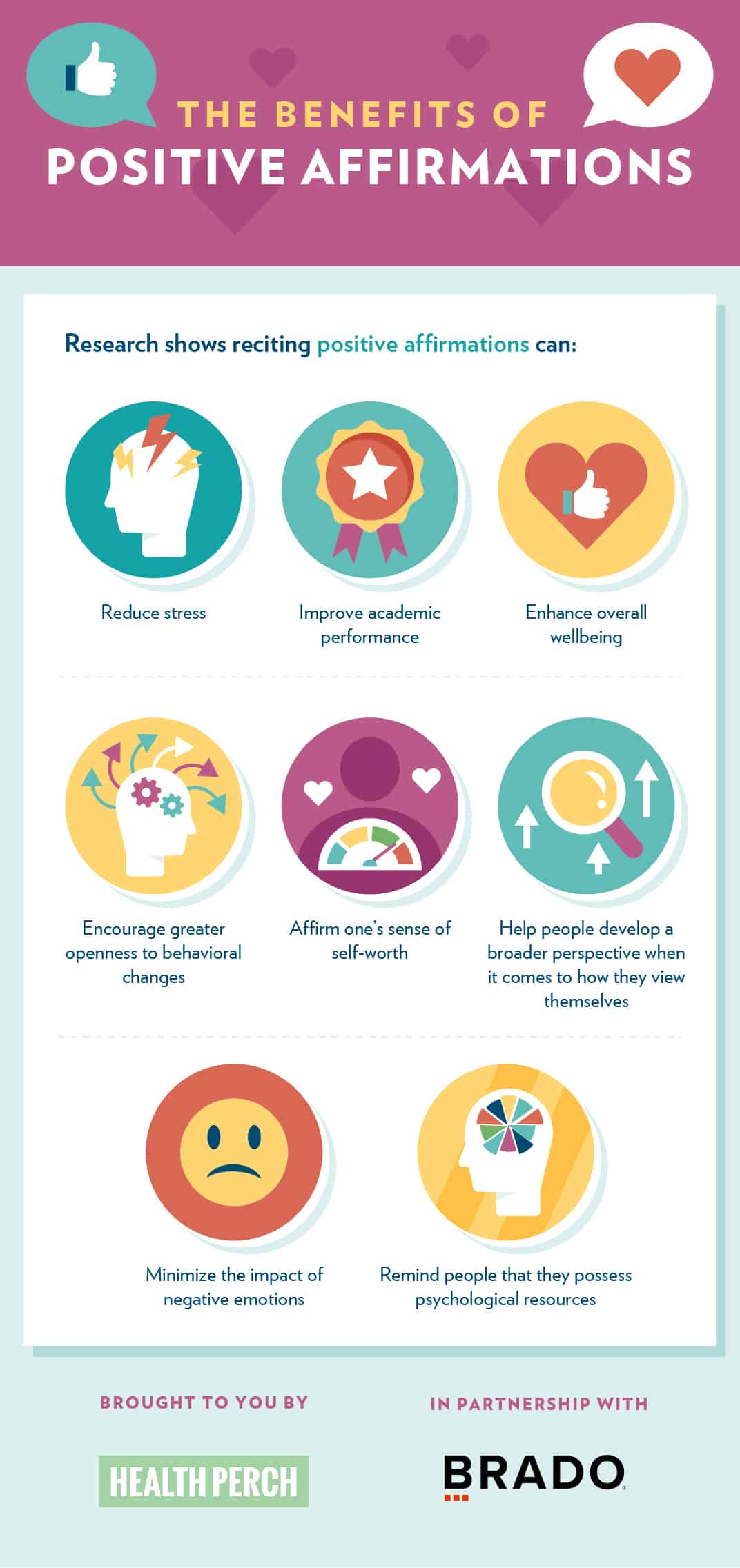
Let’s look at the main ways affirmations can improve your life, both mentally and physically.
1. Boosting Self-esteem And Confidence
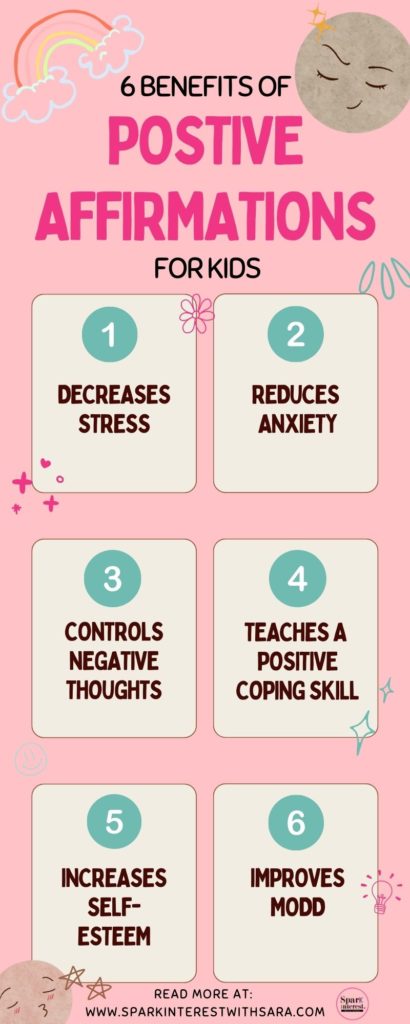
One of the most common reasons people use affirmations is to build self-esteem. When you regularly say positive things about yourself, it’s easier to believe in your abilities. For example, repeating “I am worthy” or “I can succeed” helps you focus on your strengths.
This boost in confidence can show up in many areas—job interviews, relationships, or even trying new things. Over time, affirmations can help you feel less anxious about making mistakes or facing challenges.
Non-obvious insight: Self-esteem grows not from ignoring weaknesses, but from recognizing strengths and accepting areas for growth. Affirmations support both sides, encouraging balance.
2. Reducing Stress And Anxiety
Affirmations can calm your mind, especially during stressful moments. When you repeat a phrase like “I am calm and in control,” it sends a signal to your body to relax. This is because the words you say influence your emotions and physical reactions.
Studies have found that people who use positive self-talk experience lower levels of stress hormones. This means affirmations can help you handle pressure at work, school, or in social situations.
3. Improving Mental Resilience
Resilience is your ability to recover from setbacks or tough times. Affirmations make it easier to “bounce back” because they teach your brain to see difficulties as temporary and manageable.
For example, “I learn from challenges” or “I grow stronger every day” can help you keep going, even when things are hard. Over time, this attitude builds a stronger, more flexible mindset.
Non-obvious insight: Consistent use of affirmations during both good and bad times creates a mental “safety net,” so you’re more prepared when life gets tough.
4. Supporting Physical Health
You might not expect affirmations to affect your body, but there’s a connection. Stress and negative thinking can lead to physical problems like headaches, muscle tension, or trouble sleeping. Positive affirmations can lower stress, which in turn helps your body relax and heal.
Some studies show that people who use affirmations have better immune function and recover more quickly from illness. While affirmations are not a replacement for medical care, they can support your overall well-being.
5. Encouraging Healthy Habits
Building new habits—like exercising, eating well, or sticking to a sleep schedule—often starts with your mindset. Affirmations such as “I care for my body” or “I make healthy choices” remind you of your goals and keep you focused.
People who use affirmations are more likely to stick to positive routines, because they feel motivated from within, not just from outside pressure.
6. Enhancing Focus And Productivity
When your mind is full of negative thoughts, it’s hard to concentrate. Affirmations can clear away mental “clutter” and help you focus. For example, saying “I am focused and productive” before starting work can make tasks feel easier.
This technique is used by top athletes, business leaders, and students to boost performance. It’s a simple way to set your intention for the day.
7. Strengthening Relationships
Affirmations are not just about the self—they also improve how you connect with others. Phrases like “I am a good friend” or “I communicate with kindness” can change the way you interact.
When you feel better about yourself, you’re less likely to react defensively or judge others harshly. This leads to healthier, more supportive relationships.
8. Rewiring Negative Beliefs
Many people have deep-seated beliefs like “I’m not good enough” or “I always fail. ” Affirmations work to replace these with more balanced, positive ideas.
It’s important to note that this takes time. Repetition and patience are key. Over weeks or months, you may notice old negative thoughts fading, replaced by new, empowering beliefs.
9. Increasing Optimism And Hope
Optimism is the ability to see the good in situations and expect positive outcomes. Affirmations like “Good things are possible” or “I trust in my future” help build a hopeful outlook.
This is not about ignoring reality, but about training your mind to see opportunities instead of only problems. Optimistic people are more persistent and bounce back faster from setbacks.
10. Helping With Goal Setting
Setting goals is easier when you believe in your ability to reach them. Affirmations like “I achieve my goals step by step” keep you motivated and focused.
This works especially well when paired with specific actions. For example, saying the affirmation before you start working toward your goal gives your mind a boost of energy.
The Science Behind Affirmations
You might wonder if affirmations are just wishful thinking, or if there’s real evidence behind them. Research in psychology and neuroscience gives strong support to the power of positive self-statements.
One study found that practicing affirmations activates the ventromedial prefrontal cortex—the part of the brain involved with self-value. This activation is linked to making healthier choices and feeling more secure.
Another research project showed that people who practiced self-affirmations recovered faster from stress and had lower heart rates during challenging situations. This suggests that affirmations can help both mind and body cope with pressure.
For an in-depth look at the science, you can check the Self-affirmation Theory page on Wikipedia.
Common Myths And Mistakes About Affirmations
Many people start with affirmations and quickly get frustrated. Let’s look at some common misunderstandings and how to avoid them.
Myth 1: Affirmations Work Instantly
Some expect results overnight, but real change takes time. Your brain needs repetition to build new patterns. Treat affirmations like exercise—progress comes with practice.
Myth 2: You Must Believe Every Word
It’s normal to feel uncomfortable or doubtful at first, especially if the affirmation feels far from your current reality. The goal is not perfect belief, but openness to change.
Myth 3: Affirmations Replace Action
Affirmations support action, but do not replace it. Saying “I am healthy” means more when paired with healthy habits. Use affirmations as motivation, not a substitute for effort.
Mistake 1: Using Generic Phrases
Affirmations are strongest when personal and specific. Instead of “I am successful,” try “I am improving my skills every day. ” Make them meaningful for your own life.
Mistake 2: Ignoring Negative Feelings
Some think affirmations mean ignoring all bad thoughts. In reality, it’s about balancing negatives with positives. Allow space for real emotions, but don’t let them control your mindset.
Mistake 3: Giving Up Too Soon
It’s common to stop using affirmations if you don’t see fast results. Consistency is key. Even a few minutes each day can make a difference over weeks and months.
How To Create Effective Affirmations
Creating your own affirmations is more powerful than copying someone else’s words. Here’s how to make them work for you.
1. Keep Them Positive
Focus on what you want, not what you want to avoid. For example, use “I am calm” instead of “I am not stressed. ”
2. Use Present Tense
Say your affirmation as if it’s happening now. This tells your brain it’s already possible, not just a wish for the future.
3. Make Them Personal
Use “I” statements and tailor them to your needs. “I am learning to speak up” is more effective than a general phrase.
4. Keep Them Short And Simple
Clear, concise statements are easier to remember and repeat. Try to keep affirmations under 10 words.
5. Add Emotion
If you can, include feelings. “I am grateful for my progress” connects with your heart, not just your mind.
6. Repeat Regularly
Say your affirmations every day—morning, night, or whenever you need a boost. Consistency builds results.
Credit: sparkinterestwithsara.com
Examples Of Powerful Affirmations
Here are some examples to help you get started. Feel free to modify them for your situation.
- I am strong and resilient.
- I handle challenges with courage.
- I am worthy of love and respect.
- I believe in my abilities.
- I choose to be happy today.
- I am in control of my reactions.
- I am improving every day.
- I am grateful for what I have.
- I trust in the process of life.
When And How To Practice Affirmations
You can use affirmations anytime, but here are some effective moments:
- Morning routine: Start your day with a positive mindset.
- Before a challenge: Calm nerves before a test, interview, or speech.
- During stress: Soothe yourself when feeling anxious or upset.
- Before sleep: End the day with gratitude or hope.
Many people write affirmations on sticky notes, keep them in a journal, or set reminders on their phones. The key is regular repetition.
Affirmations Vs. Other Self-help Techniques
You might wonder how affirmations compare to meditation, visualization, or journaling. Here’s a quick look.
| Technique | Main Focus | Best For |
|---|---|---|
| Affirmations | Positive Self-Talk | Boosting confidence, changing beliefs |
| Meditation | Calm and Presence | Reducing stress, mindfulness |
| Visualization | Imagining Success | Goal achievement, focus |
| Journaling | Reflection and Clarity | Processing emotions, tracking growth |
Affirmations can be used alone or combined with these techniques for a stronger effect.
Who Can Benefit Most From Affirmations?
While almost anyone can use affirmations, some groups may notice especially strong benefits:
- Students: Overcome exam nerves and build self-confidence.
- Job seekers: Stay positive during interviews and job applications.
- Athletes: Boost performance and recover from setbacks.
- People with anxiety: Manage negative thoughts and calm the mind.
- Those facing change: Handle new situations with more optimism.
Possible Downsides And Limitations
No tool is perfect. There are a few things to keep in mind:
- Not a quick fix: Affirmations work best with effort and time.
- Not a cure for serious mental health issues: If you face deep depression or trauma, affirmations are a support, not a replacement for professional help.
- May feel fake at first: It’s normal to doubt new affirmations, especially if they challenge old beliefs.
Real-world Examples And Success Stories
Many well-known people credit affirmations with helping them succeed. For example:
- Top athletes use affirmations before competitions to boost focus and calm nerves.
- Entrepreneurs often start their day with affirmations to maintain motivation and overcome setbacks.
- Students find that affirmations help reduce test anxiety and improve grades.
Here’s a personal story: A young woman struggling with public speaking began using the affirmation, “I express my ideas clearly.” Over several weeks, she noticed her fear dropping and her confidence growing. She started volunteering for presentations and, with practice, became a skilled speaker.
Non-obvious insight: The most powerful affirmations often come from facing your biggest fears or doubts directly.
Measuring The Impact Of Affirmations
How do you know if affirmations are working? Here are a few signs:
- You notice more positive self-talk during the day.
- Negative thoughts feel less powerful.
- You take action on goals with less fear.
- Stressful situations feel easier to handle.
- Others notice you seem more confident or relaxed.
You can also keep a journal to track changes in your thoughts, feelings, and actions. This helps you see progress over time, even if it’s slow.
Tips For Getting The Most Out Of Affirmations
To make affirmations work for you, try these practical tips:
- Be consistent: Practice daily, even when you don’t feel like it.
- Speak with emotion: Say affirmations with feeling, not just words.
- Write them down: Handwriting helps your brain remember them.
- Combine with action: Take small steps toward your goals.
- Adapt as you grow: Change your affirmations as your needs change.
Credit: ecogreenlove.com
Advanced Techniques: Visualization And Affirmations
You can make affirmations more powerful by adding visualization. Imagine yourself living the truth of your affirmation—see it, feel it, experience it in your mind.
For example, if your affirmation is “I am a confident speaker,” picture yourself standing on stage, speaking clearly, and feeling proud. This “mental rehearsal” strengthens the effect.
Comparing Short-term Vs. Long-term Benefits
Affirmations can create both quick wins and long-lasting change. Here’s a look at how they compare:
| Benefit Type | Short-Term Effects | Long-Term Effects |
|---|---|---|
| Mood | Quick lift in spirits | Greater overall happiness |
| Stress | Immediate calm | Better stress management skills |
| Self-Esteem | Temporary confidence boost | Lasting belief in self-worth |
| Habits | Motivation to start | Consistent positive routines |
Both types of benefits matter. Quick boosts help you get through tough moments; long-term practice creates real transformation.
Cultural And Social Aspects Of Affirmations
Affirmations are found in many cultures and spiritual traditions. For example, mantras in meditation and prayer use repetition to focus the mind and encourage peace. In some communities, group affirmations are used to create unity and shared purpose.
Today, affirmations are popular in therapy, sports, education, and self-help. Their flexibility means anyone can adapt them to fit their beliefs and background.
Frequently Asked Questions
What Are The Best Times To Practice Affirmations?
The best times are when you wake up, before important events, during moments of stress, and before going to sleep. Consistency is more important than timing—find moments that fit your routine.
Can Affirmations Help With Anxiety Or Depression?
Affirmations can support better mental health by shifting negative thoughts, but they are not a substitute for therapy or medical treatment. Use them as one tool among many for emotional well-being.
How Long Does It Take To See Results From Affirmations?
Some people notice small changes within a few days, but deeper shifts often take weeks or months. Patience and daily practice are important for lasting results.
Should I Say Affirmations Out Loud Or Silently?
Both work. Saying them out loud can make them feel more real, but silent repetition is also effective, especially in public or quiet places. Writing affirmations is another powerful option.
What If I Don’t Believe My Affirmation At First?
It’s normal to feel doubt, especially with new affirmations. Focus on consistency, and choose statements that feel possible. Over time, your belief will grow as your mind adjusts.
Affirmations are a simple, flexible tool for creating a healthier mindset and a happier life. By using them daily, you can unlock new levels of confidence, resilience, and joy—no matter where you start.
