

Long Sleeve Shirts: Top Styles for Every Season
Long Sleeve Shirts: The Ultimate Guide for Style, Comfort, and Versatility in 2026
Let’s be honest: few things in life are as reliable as a long sleeve shirt. Coffee spills? Covered. Chilly mornings? Solved. Sunburned arms? Protected. And if you ever need to hide a questionable tattoo or that “I love pineapple pizza” wristband, long sleeve shirts have your back (and your arms). In 2026, these wardrobe heroes are more popular—and more stylish—than ever before. But what makes long sleeve shirts such a staple? Why do fashionistas, dads, athletes, and even your neighbor’s cat seem to love them?
This guide dives deep into everything you need to know about long sleeve shirts. From their history (spoiler: they go way back) to current trends, types, materials, and buying tips, you’ll learn how to choose, style, and care for your shirts like a pro. You’ll even discover some tips most beginners overlook—because nobody wants to be “that person” with sleeves stretching down to their knees.
The History And Evolution Of Long Sleeve Shirts
Long sleeve shirts didn’t just appear out of thin air. In fact, humans have been covering their arms for centuries—long before the first awkward family photo was taken.
The earliest forms of long sleeve clothing date back to ancient civilizations. In Egypt and Mesopotamia, people wore tunics with long sleeves to protect themselves from the sun and sand. Jump ahead to medieval Europe, and sleeves became a way to show off wealth and status. The longer and puffier the sleeve, the fancier you were. (Imagine showing up to a party with sleeves wider than your head.)
By the 19th and 20th centuries, long sleeve shirts became more practical. Work shirts for farmers and factory workers featured durable materials and buttoned cuffs. In the 1970s, long sleeve t-shirts entered the mainstream—bringing comfort and style together in a way disco never could.
Today, the long sleeve shirt is a global favorite. It’s worn by everyone, everywhere: from athletes warming up for a game, to office workers, to people who just want to look good on a video call. Modern designs combine advanced fabrics with classic style, proving that sleeves are here to stay.
Why Long Sleeve Shirts Are A Wardrobe Essential
Some clothes come and go (looking at you, neon leg warmers), but long sleeve shirts always stick around. Why? Here’s what makes them unbeatable:
- Versatility: They work in almost every situation—casual, business, sport, or even pajamas.
- Seasonal Flexibility: Perfect for layering in winter and for sun protection in summer.
- Style Options: Available in endless colors, patterns, and cuts, so you’ll never get bored.
- Protection: Shields your skin from sun, bugs, and your own clumsy coffee spills.
- Modesty and Confidence: Some days, you just want a little extra coverage—or you forgot to shave your arms.
Non-obvious insight: Many people don’t realize that long sleeve shirts also help regulate body temperature. Lightweight cotton keeps you cool, while wool or synthetic blends trap warmth when you need it.
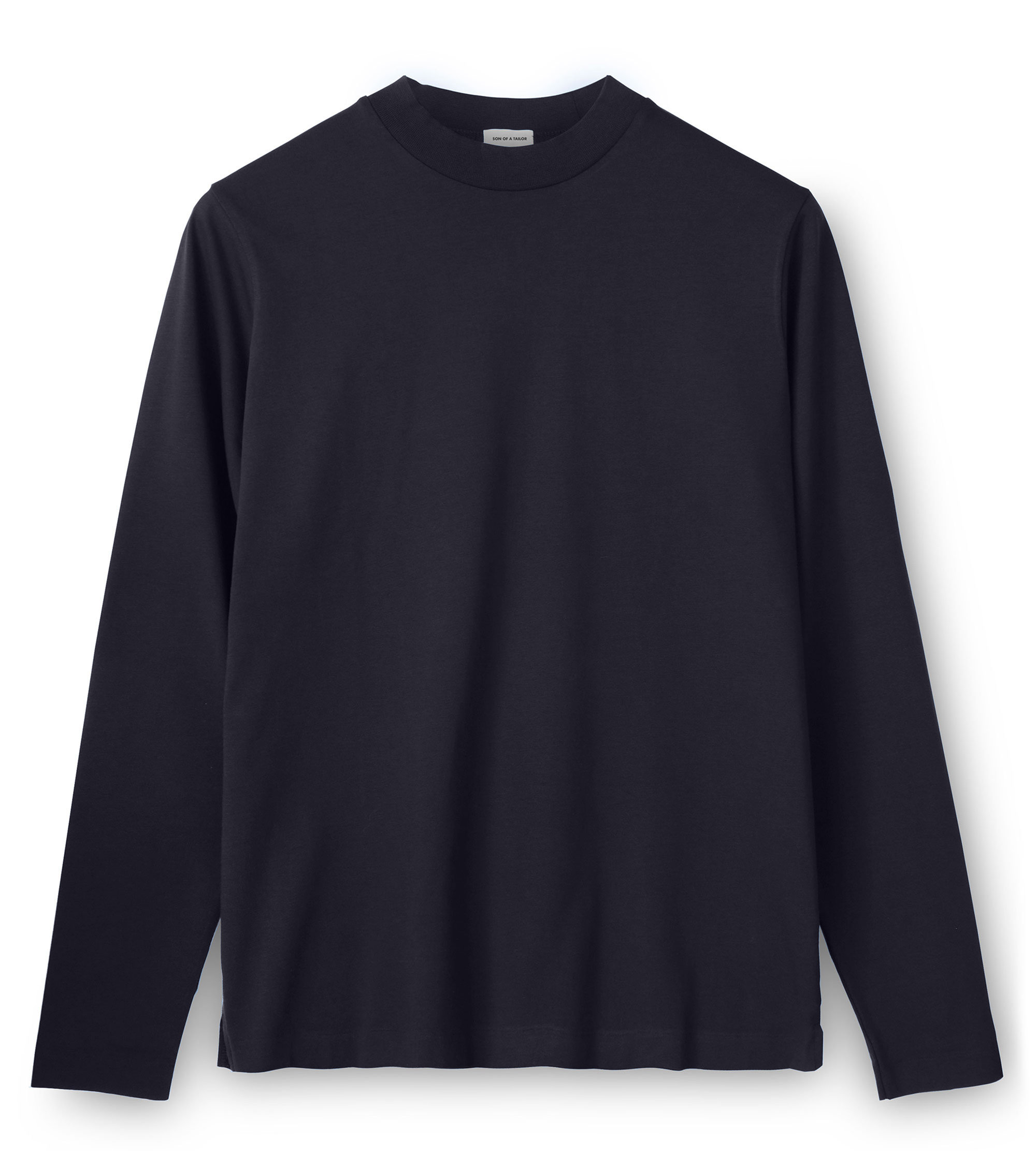
Credit: www.sonofatailor.com
Types Of Long Sleeve Shirts
Shopping for a long sleeve shirt in 2026 can feel like visiting a buffet: so many choices, all tempting. Here’s a closer look at the most popular types and what makes each one unique.
1. Long Sleeve T-shirts
The classic. Usually made from soft cotton or a cotton blend, these shirts are the go-to for comfort and layering. They’re perfect for everyday wear and come in every color known to humanity (and a few invented by fashion designers with too much free time).
2. Button-down Shirts
Ideal for work, meetings, or pretending you have your life together. Button-downs can be formal (like an Oxford shirt) or casual (think flannel or chambray). You can dress them up with a tie or roll up the sleeves for a relaxed look.
3. Henley Shirts
Henleys feature a buttoning placket (that’s the little row of buttons near your neck). They’re the perfect mix of t-shirt comfort and “I actually tried today” style. Great for layering or solo wear.
4. Dress Shirts
The backbone of business and formal wear. Usually made from crisp cotton, linen, or blends, dress shirts come with stiff collars and neat cuffs. They’re designed to be tucked in, but rebels sometimes wear them untucked (don’t tell your boss).
5. Flannel Shirts
Soft, warm, and perfect for autumn or pretending you’re a lumberjack. Flannel shirts are made from brushed cotton or wool, often with plaid patterns. They’re cozy, stylish, and great for layering.
6. Polo Shirts
Not just for golf! Long sleeve polos feature a collar and buttons, combining sporty vibes with a touch of class. They’re a great way to look sharp without trying too hard.
7. Athletic/performance Shirts
Made from moisture-wicking materials like polyester or nylon, these shirts are designed for workouts, running, or escaping from awkward conversations at the gym. They keep you dry and comfortable during intense activity.
8. Thermal Shirts
Also called “waffle shirts” because of their textured fabric (not because you can eat them). These are made to trap heat, making them perfect for cold weather.
9. Compression Shirts
Tight-fitting shirts that support muscles and improve blood flow. Popular with athletes and anyone wanting to look a bit more “toned” at the gym.
10. Western Shirts
Think cowboy vibes: pointed yokes, snap buttons, and sometimes even fringe. Western shirts are a fun way to add personality to your look.
11. Linen Shirts
Lightweight and breathable, linen shirts are ideal for hot weather or for those who like to look effortlessly cool while sweating buckets.
12. Overshirts And Shirt Jackets
Not quite a shirt, not quite a jacket—these are heavier shirts you can wear over other layers. Perfect for when the weather can’t make up its mind.
13. Rash Guards
Originally made for surfers, rash guards protect skin from the sun and friction. Now they’re popular for swimming, water sports, and anyone who forgot sunscreen.
14. Tunic Shirts
Longer, looser shirts often worn with leggings or skinny jeans. Comfortable, stylish, and forgiving after a big lunch.
15. Work Shirts
Built tough with reinforced seams and pockets for tools. Work shirts are all about durability and function—great for jobs, hobbies, or just looking rugged.
Bonus insight: Many people skip overshirts, thinking they’re just for outdoorsy types. In reality, a good overshirt can add depth to any outfit, even in urban settings.
Materials: What Long Sleeve Shirts Are Made Of
The fabric makes all the difference. Choosing the right material can turn a sweaty mess into a stylish success.
| Material | Key Features | Best For |
|---|---|---|
| Cotton | Soft, breathable, easy to wash | Everyday wear |
| Linen | Very breathable, light, wrinkles easily | Hot weather, summer |
| Polyester | Moisture-wicking, durable, less breathable | Sports, performance |
| Wool | Warm, natural insulator, can be itchy | Winter, layering |
| Flannel | Brushed cotton, very soft, warm | Casual, cold weather |
| Rayon/Modal | Silky feel, drapes well, lightweight | Dress shirts, casual wear |
| Blends | Mix of fibers, balances pros/cons | All uses |
Practical tip: If you sweat a lot, look for shirts with moisture-wicking properties. If you live somewhere chilly, try wool or thermal blends.

Credit: everestkitchennc.com
How To Choose The Right Long Sleeve Shirt
Buying a long sleeve shirt isn’t just about picking the first thing you see on sale. Here’s what to consider before you swipe your card:
Fit
The fit can make or break your look (and your confidence). Here are the most common fits:
- Slim fit: Closer to the body, modern look
- Regular fit: Classic, comfortable, not too tight or loose
- Relaxed fit: Extra room, great for casual settings or more “generously built” folks
Non-obvious insight: Always try moving your arms and sitting down while trying on shirts. Some shirts look good standing up but feel like a straightjacket when you move.
Size
Don’t just trust the tag. Different brands use different sizing, and a “medium” in one store may be a “tent” in another. When shopping online, check the brand’s size chart and your own measurements.
Fabric
Choose based on your lifestyle. Cotton is great for daily wear, but synthetic blends are better for sports. Linen is perfect for sweating through a summer wedding.
Style And Purpose
Ask yourself: Where will I wear this? A dress shirt won’t work for hiking, and a flannel might look odd at a job interview (unless you’re applying to be a lumberjack).
Color And Pattern
Start with basics like white, black, blue, or gray. These go with almost anything. Once you have the basics, experiment with patterns (stripes, checks, florals) or bright colors.
Care Instructions
Some shirts need special care—like hand washing or dry cleaning. If you’re not a fan of ironing, look for wrinkle-resistant fabrics.
Price And Value
You don’t have to spend a fortune, but super cheap shirts may fall apart after two washes. Look for good value, not just the lowest price.
Sustainability
Many brands now offer eco-friendly shirts made from organic cotton or recycled materials. Your arms (and the planet) will thank you.
Long Sleeve Shirts For Different Seasons
In 2026, the weather seems to have a mind of its own—sometimes all four seasons in one week. Here’s how long sleeve shirts adapt to every climate:
Spring
Lightweight cotton, linen, or blends are perfect. Patterns like florals or pastels add a fresh look.
Summer
Choose breathable fabrics like linen or moisture-wicking synthetics. Roll up the sleeves for a breezy style.
Autumn
Flannel, denim, or thicker cotton shirts are ideal. Layer with a vest or light jacket for that “I’m ready for pumpkin spice” vibe.
Winter
Thermal shirts, wool, or heavy blends keep you warm. Layer under sweaters, jackets, or even another long sleeve shirt for extra insulation.
Styling Tips: How To Wear Long Sleeve Shirts
You don’t need a fashion degree to rock a long sleeve shirt. Here are some ideas for different occasions:
Casual
Pair a long sleeve t-shirt with jeans or joggers. Roll up the sleeves for a relaxed feel. Add sneakers or boots and you’re ready for anything—except maybe a royal wedding.
Work
A crisp button-down or dress shirt tucked into trousers is always sharp. Add a blazer for more formal settings. Patterns like small checks or stripes show personality without breaking dress codes.
Sport
Athletic shirts go well with track pants or shorts. Look for bright colors or reflective stripes if you run at night—because safety is always in style.
Layering
Layering is key for unpredictable weather. Try a t-shirt, a long sleeve shirt, and a lightweight jacket. Or wear an overshirt open over a t-shirt for a “cool but not trying too hard” look.
Special Occasions
For dates or parties, go for a Henley or a patterned dress shirt. A bold color or unique print can help you stand out—in a good way.
Pro tip: When in doubt, keep your pants simple if your shirt has a busy pattern. You don’t want to look like a walking optical illusion.
Common Mistakes To Avoid
Even the best-dressed people make mistakes. Here’s how to avoid a fashion “oops” with your long sleeve shirts:
- Wrong fit: Too tight or too loose can ruin your look. Check the shoulders and sleeves first.
- Ignoring sleeve length: Sleeves should end at your wrist bone—not halfway down your hand, or up by your elbows unless you rolled them.
- Mismatched patterns: Pairing a striped shirt with plaid pants? Only if you work at a circus.
- Over-washing: Washing too often can wear out fabrics, especially with delicate materials.
- Neglecting care tags: “Dry clean only” isn’t a suggestion. Unless you want your shirt to double as a doll outfit.
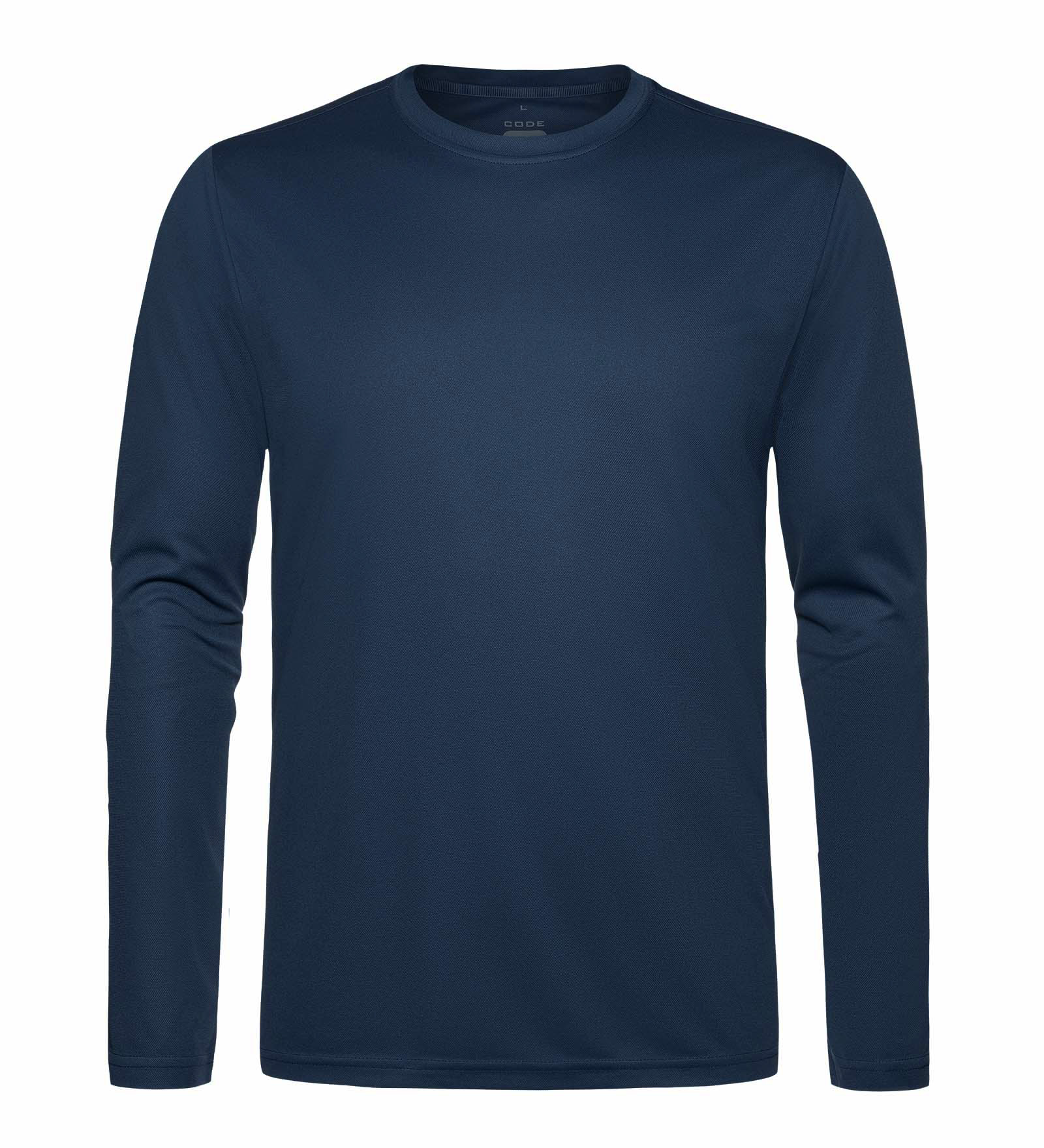
Credit: www.code-zero.com
Latest Trends For Long Sleeve Shirts In 2026
Fashion in 2026 is all about comfort, sustainability, and a little bit of fun. Here’s what’s hot right now:
- Eco-friendly fabrics: Bamboo, organic cotton, and recycled polyester are everywhere.
- Bold prints and colors: Think bright oranges, geometric patterns, and even holographic sleeves (yes, really).
- Oversized fits: Baggy shirts are back, perfect for hiding snacks and bad decisions.
- Tech-smart shirts: Some shirts now include UV sensors, built-in cooling, or even phone-charging pockets.
- Unisex designs: More brands offer shirts for all genders, focusing on comfort over “his” and “hers.”
- Mix-and-match cuffs and collars: Customization is in, so you can choose contrasting details for a unique look.
Not-so-obvious trend: Subtle embroidery and textured fabrics are becoming popular, adding interest without being too loud.
Long Sleeve Shirts Vs. Short Sleeve Shirts: Which Is Better?
Both have their place, but let’s compare them side by side:
| Feature | Long Sleeve Shirts | Short Sleeve Shirts |
|---|---|---|
| Sun Protection | Excellent | Low |
| Warmth | Good for layering | Not ideal |
| Formality | More formal | Usually casual |
| Versatility | High | Moderate |
| Summer Wear | Best in light fabrics | Great for hot days |
| Style Options | Many | Many |
Verdict: Long sleeve shirts win for versatility and protection, but short sleeves rule on the hottest days. Why not have both?
Caring For Your Long Sleeve Shirts
A little care goes a long way—unless you enjoy shopping for new shirts every month.
Washing
- Wash cotton and blends in cold water to prevent shrinking.
- Use gentle cycles for delicate fabrics like rayon or linen.
- Athletic shirts with synthetic fibers can often be washed with workout clothes.
Drying
- Air drying is best for most shirts, especially wool, linen, and synthetics.
- Avoid high heat, which can shrink or damage fabrics.
Ironing
- Iron dress shirts while slightly damp for best results.
- Use the right heat setting for each material (check the care label).
Storing
- Hang dress shirts to keep them wrinkle-free.
- Fold t-shirts, thermals, or flannels to save closet space.
- Keep shirts away from direct sunlight to avoid fading.
Quick tip: Invest in a few good hangers—those flimsy wire ones from the dry cleaner won’t do your shirts any favors.
Where To Buy The Best Long Sleeve Shirts In 2026
Shopping for the perfect shirt is easier than ever. Here’s where to look:
- Online retailers: Websites like Amazon, ASOS, and Uniqlo offer a wide range of choices, with reviews and size guides.
- Brand stores: Brands like Levi’s, H&M, and Patagonia have their own online shops and physical stores.
- Sustainable brands: Companies like Everlane and Patagonia focus on eco-friendly materials.
- Secondhand shops: Vintage and thrift stores are great for unique finds and saving money.
Pro tip: Always check return policies, especially when buying online. Sizing can be tricky, and you don’t want to be stuck with a shirt that fits your neighbor’s dog better than you.
Price Comparison: Budget, Mid-range, And Premium Shirts
Prices can vary a lot. Here’s a quick breakdown:
| Price Range | Typical Features | Example Brands |
|---|---|---|
| Under $30 | Basic cotton, simple designs, mass-produced | H&M, Old Navy |
| $30 – $80 | Better fabrics, more styles, sustainable options | Uniqlo, Everlane |
| $80 and up | Premium fabrics, designer labels, custom fits | Patagonia, Brooks Brothers |
Remember, a higher price doesn’t always mean better quality. Check reviews and materials before buying.
Fun Facts And Quirky Trivia
- The world’s largest long sleeve shirt was made in 2016 and measured over 65 meters long—enough to keep an entire soccer team cozy.
- Some cultures use long sleeves as a sign of respect or modesty.
- In the 2026 Paris Fashion Week, a designer sent models down the runway with sleeves that touched the floor. Not practical, but definitely memorable.
- The phrase “rolling up your sleeves” means getting ready to work hard—proof that long sleeves are for action, not just style.
- The oldest known shirt is from ancient Egypt and is over 5,000 years old. That’s older than your oldest joke.
Frequently Asked Questions
How Do I Know If A Long Sleeve Shirt Fits Me Well?
A good fit means the shoulder seams line up with your shoulders, the sleeves end at your wrist bone, and the body is comfortable but not too tight or baggy. Sit down, raise your arms, and check for tightness or pulling.
If you look like you’re wearing a tent or a sausage casing, try a different size.
Can I Wear Long Sleeve Shirts In Hot Weather?
Absolutely! Choose lightweight, breathable fabrics like linen or moisture-wicking synthetics. Roll up the sleeves for extra comfort. Long sleeves can also protect your skin from sunburn, making them perfect for sunny days.
What Is The Difference Between A Dress Shirt And A Regular Long Sleeve Shirt?
Dress shirts are designed for formal or business wear, usually with stiff collars and cuffs, and made from fine fabrics. Regular long sleeve shirts, like flannels or t-shirts, are more casual and come in a wider range of styles and materials.
How Do I Prevent My Long Sleeve Shirts From Shrinking?
Always read the care label! Wash in cold water and air dry when possible. Avoid high heat in the dryer. Some fabrics, like cotton, are more likely to shrink, so check before you wash.
Where Can I Find Eco-friendly Long Sleeve Shirts?
Many brands now offer sustainable options. Check online retailers like Everlane or Patagonia, or visit sites like Green Matters for eco-friendly clothing tips and recommendations.
Long sleeve shirts are more than just a piece of clothing—they’re a style statement, a protective shield, and sometimes even a cozy friend on a cold night. With so many options in 2026, there’s a perfect shirt for every occasion, personality, and budget.
So next time you wonder what to wear, reach for a long sleeve shirt—and get ready to roll up your sleeves for whatever the day brings.
