

Best Shoes to Wear for Zumba: Top Picks for Every Dancer
When you step into a Zumba class, you can feel the energy in the room. The music is loud, the moves are fast, and everyone is ready to dance. But if you’ve ever tried Zumba in the wrong shoes, you know how quickly excitement can turn to discomfort. Sore feet, slipping, or even twisted ankles can ruin your fun. That’s why choosing the best shoes for Zumba is more important than many people realize. This article will help you find the right pair, explain what features really matter, and guide you to make a confident choice—so every class feels light, safe, and joyful.
What Makes Zumba Shoes Different?
Zumba is not just about dancing; it’s a workout that mixes salsa, hip-hop, reggaeton, and aerobics. You pivot, jump, slide, and move side to side. Ordinary running shoes, which are made for straight-line movement, often grip the floor too much or lack the support for lateral motion.
Zumba shoes need a few special qualities:
- Lightweight structure for quick steps
- Pivot-friendly soles to spin and turn smoothly
- Good lateral support for side-to-side moves
- Breathable uppers to keep your feet cool
- Cushioning to absorb shock from jumps
Many beginners overlook that running shoes can increase injury risk in Zumba. Their grippy treads can stick to the floor during spins, straining knees and ankles. Cross-trainers are better, but true dance fitness shoes are designed for these unique demands.
Key Features To Look For In Zumba Shoes
Before jumping into specific shoe recommendations, it helps to know what makes a shoe great for Zumba. Here are the essential features:
1. Pivot Point
A pivot point is a small circle on the sole, usually under the ball of the foot. It lets you twist and turn without resistance. Shoes without this feature can catch on the floor, making spins difficult or unsafe.
2. Lightweight Materials
Heavy shoes slow you down and tire your legs. Mesh uppers and light foam soles keep your feet energized through a full class.
3. Flexible Soles
You need shoes that bend easily, so you can point your toes and move naturally. Stiff soles make dance moves uncomfortable and can even cause blisters.
4. Cushioning
Zumba has jumps and quick moves that put pressure on your feet. Shock-absorbing midsoles help prevent soreness and protect your joints.
5. Breathability
Your feet will sweat, especially during a hot class. Shoes with mesh panels or ventilation holes let air flow, reducing odor and blisters.
6. Lateral Support
Side-to-side movements are common in Zumba. Reinforced sides and a snug fit keep your foot stable and reduce the risk of rolling your ankle.
7. Outsole Grip
You want a balance—enough grip to prevent slipping, but not so much that you can’t turn. Rubber outsoles with strategic patterns work best.
Non-obvious insight: Many people think more grip is always better, but too much can actually cause knee injuries in Zumba. Also, some shoes marketed as “dance sneakers” are designed for wood or smooth surfaces and may be too slippery for gym floors. Always consider your class floor type.
Top 10 Best Shoes For Zumba
Finding the perfect Zumba shoe depends on your foot type, floor surface, and style. Here are ten shoes that consistently stand out for Zumba lovers, with details on what makes each pair unique.
1. Ryka Influence
Ryka is a brand known for women’s athletic footwear, and the Influence model is a Zumba favorite. The shoe is designed for dance fitness, featuring a pivot point and dual-density foam for both cushioning and stability. The upper is made from breathable mesh with supportive overlays, making it light and secure.
People with narrow or medium-width feet often find the fit especially comfortable. The Influence has just the right amount of grip for gym floors. A small downside—some users say the toe box feels tight, so consider sizing up if you have wider feet.
2. Nike Air Zoom Superrep
Nike’s Air Zoom SuperRep is designed for high-intensity interval training, but it’s become popular in Zumba for its responsive cushioning and flex grooves. The split sole design helps with flexibility, and the shoe has a clear pivot point under the ball of the foot.
The reinforced sides give excellent lateral support, which is essential for fast dance moves. This model is a bit bulkier than classic dance sneakers, but its impact protection is ideal for those who want extra comfort during jumps.
3. Bloch Boost Drt
Bloch is a classic dance brand, and the Boost DRT is built for serious dancers. With a split sole, this shoe bends easily, so you can point your toes and glide across the floor. The spin spot on the outsole helps with pivots, and the high-arch support is a bonus for those with medium or high arches.
It’s lightweight, with a breathable mesh upper and suede overlays for durability. However, the shoe runs narrow, so people with wide feet may need to look for a different option.
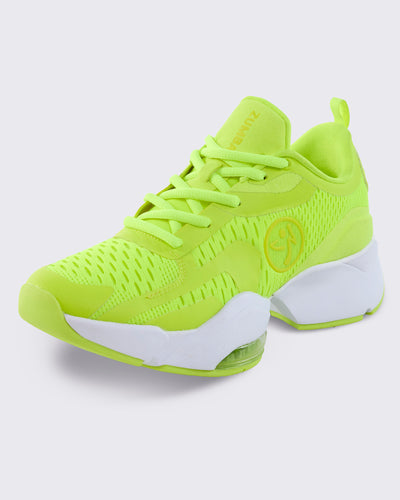
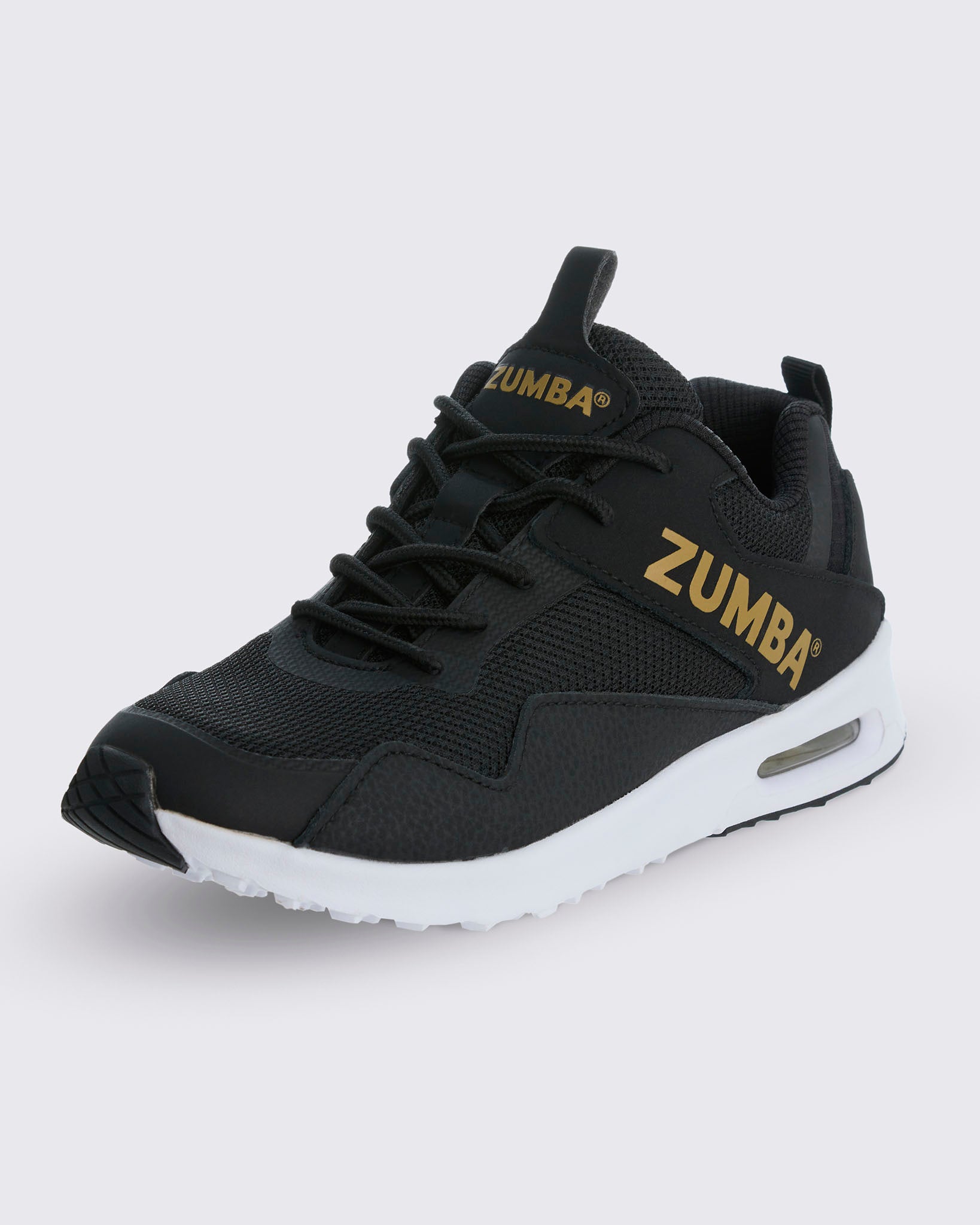
4. Zumba Air Classic
Created by Zumba itself, the Air Classic is made for the dance fitness environment. The shoe has an air-cushioned heel, a pivot point, and a mesh upper for maximum airflow. The sole is designed to give enough grip for gym floors but still lets you turn with ease.
The Zumba Air Classic is available in bold colors, which many dancers love. One unique feature is the slightly higher heel, giving extra shock absorption for jumps. This shoe may not suit very flat feet, as the arch is higher than average.
5. Asics Gel-fit Sana
ASICS is known for running, but the Gel-Fit Sana stands out in group fitness. The shoe is super lightweight and fits like a sock, thanks to the flexible mesh upper. The gel cushioning absorbs shock, and the sole is flat and pivot-friendly.
The shoe’s low profile keeps your feet close to the ground for stability. It’s great for wide feet, but those who need a lot of arch support may need an insert.
6. Reebok Hayasu
Reebok Hayasu is designed specifically for dance fitness. It features a turn zone under the ball of the foot, which allows easy spins. The high-top style offers extra ankle support, while the midsole foam keeps things light and cushioned.
The slip-on sock construction hugs your foot, reducing friction and blisters. However, the upper is less structured, so it’s better for those with normal or narrow feet.
7. Capezio Ds11 Fierce
Capezio is famous for dance shoes. The DS11 Fierce has a split sole and a spin spot, making it a favorite for experienced dancers. The shoe is low to the ground, which means great floor feel and control. It’s especially good for choreography-heavy Zumba classes.
The mesh and synthetic leather upper is breathable and durable. One thing to note: there is less cushioning compared to athletic sneakers, so it’s best for those who don’t need a lot of shock absorption.
8. Puma Tazon
Puma Tazon is a cross-trainer that works surprisingly well for Zumba. It has lateral support, a stable heel, and a flexible forefoot. The cushioning is firm, so your foot stays stable during side-to-side moves.
While it’s not the lightest shoe, the structure and grip make it a good fit for people who want more support. The style is also versatile enough for gym wear outside of Zumba.
9. Adidas Edge Lux
Adidas Edge Lux is technically a running shoe, but its soft mesh upper, cushioned midsole, and low-profile rubber outsole make it a favorite in dance fitness circles. It’s lightweight, with a flexible sole that allows easy movement.
The grip is moderate, perfect for gym floors, and the wide toe box suits those with wider feet. Some dancers add a pivot pad for even smoother spins.
10. Sansha Salsette 1
Sansha Salsette 1 is a jazz sneaker that has crossed into the Zumba world. Its split sole design offers maximum flexibility, and the suede outsole is ideal for wood or smooth floors. The lightweight construction helps prevent fatigue, and the shoe breathes well.
However, the grip is light, so it’s not the best for rubber gym floors. It shines in studio settings where turning is a priority.
Comparing Top Zumba Shoes: Comfort, Support, And Value
To make things clearer, here’s a comparison of the top shoes on three important features: comfort, lateral support, and value for money.
| Shoe | Comfort | Lateral Support | Value for Money |
|---|---|---|---|
| Ryka Influence | Excellent | Very Good | Great |
| Nike Air Zoom SuperRep | Excellent | Excellent | Good |
| Bloch Boost DRT | Very Good | Good | Good |
| Zumba Air Classic | Very Good | Good | Great |
| ASICS Gel-Fit Sana | Good | Moderate | Great |
| Reebok Hayasu | Good | Very Good | Good |
| Capezio DS11 Fierce | Moderate | Moderate | Good |
| Puma Tazon | Very Good | Excellent | Great |
| Adidas Edge Lux | Good | Moderate | Good |
| Sansha Salsette 1 | Good | Moderate | Good |
Credit: bilyanagolf.ru
How To Pick The Right Zumba Shoe For You
No two dancers have the same feet, and the best shoe for someone else might not work for you. Here’s how to narrow down your options:
1. Know Your Foot Type
- Flat feet: Look for shoes with good arch support and stable soles.
- High arches: Focus on cushioning and flexibility.
- Wide feet: Search for mesh uppers or brands that offer wide sizes.
2. Consider Your Class Floor
- Wood or laminate: Suede or smooth rubber soles work best.
- Rubber gym floors: Go for shoes with moderate grip and a clear pivot point.
3. Try Before You Buy
If possible, try shoes on with the socks you’ll wear to class. Walk, twist, and jump. Your heel should not slip, and your toes need room to spread.
4. Don’t Ignore Fit
Zumba makes feet swell a bit. Shoes that feel “just right” in the store may feel tight after 30 minutes of dancing. A thumb’s width of space at the toe is a good rule.
Non-obvious insight: Many dancers buy shoes in the afternoon, when feet are larger due to daily swelling. This helps ensure a comfortable fit during a sweaty class.
Common Mistakes When Choosing Zumba Shoes
Even experienced dancers sometimes make shoe mistakes. Here’s what to avoid:
- Buying running shoes: These grip too much and lack lateral support.
- Choosing style over function: Fashionable shoes may lack the features you need.
- Wearing old sneakers: Worn-out soles can be slippery or unsupportive.
- Ignoring floor type: The wrong outsole can make your class harder or less safe.
- Forgetting socks: Test your shoes with the same socks you’ll use in class.
:max_bytes(150000):strip_icc()/Byr_DanceWkoutShoes_LeadRecirc-690b7a98ba7943d9b83c53888050edc4.jpg)
Credit: www.byrdie.com
Best Shoes For Specific Needs
Not every dancer has the same priorities. Here’s a quick guide for special requirements.
For Wide Feet
- Ryka Influence
- Adidas Edge Lux
- ASICS Gel-Fit Sana
These models have roomy toe boxes and flexible uppers.
For High Arches
- Bloch Boost DRT
- Nike Air Zoom SuperRep
Both offer good arch support and shock absorption.
For Flat Feet
- Puma Tazon
- Zumba Air Classic
They give strong arch support and stability.
For Extra Ankle Support
- Reebok Hayasu
The higher cut supports your ankle during fast lateral moves.
For Maximum Breathability
- ASICS Gel-Fit Sana
- Zumba Air Classic
Light mesh uppers keep your feet cool and dry.
Caring For Your Zumba Shoes
Good shoes are an investment. With the right care, they’ll last longer and keep your feet happy.
- Air out after class: Remove insoles and let shoes dry.
- Hand wash only: Machine washing can damage structure and glue.
- Rotate pairs: If you dance often, use two pairs so each can dry between classes.
- Replace when worn: Outsoles that lose grip or midsoles that feel flat mean it’s time for new shoes.
Practical tip: Use silica gel packets inside your shoes to absorb moisture and prevent odor.
Credit: www.fosterfreeman.com
Zumba Shoes Vs. Other Athletic Shoes
It’s common to wonder if you really need special shoes. Here’s a quick comparison to show why Zumba shoes are different.
| Feature | Zumba Shoes | Running Shoes | Cross-Trainers |
|---|---|---|---|
| Pivot Point | Yes | No | Sometimes |
| Lateral Support | High | Low | Medium |
| Flexibility | High | Low | Medium |
| Grip Balance | Moderate | High | High |
| Shock Absorption | Medium | High | Medium |
How To Break In New Zumba Shoes
New shoes can feel stiff or strange. Here’s how to make them comfortable quickly:
- Wear them at home: Walk, twist, and do a few dance steps on a clean surface.
- Use them for short classes: Start with 15-20 minutes, then increase time.
- Check for hot spots: If you feel rubbing, use bandages or blister pads.
- Bend the soles: Flex the shoe gently with your hands to help it mold to your foot.
Most good Zumba shoes break in within three to five classes.
Tips For Shopping Online
Buying shoes online can be tricky, but these steps help:
- Read reviews: Focus on fit comments from other dancers.
- Check return policy: Make sure you can exchange if the size is wrong.
- Measure your foot: Use a ruler or Brannock device for accuracy.
- Compare brands: Sizing can vary—an 8 in one brand may fit like a 7.5 in another.
- Look for width options: Some sites offer “wide” or “narrow” choices.
An excellent place for reliable sizing charts is the manufacturer’s official site or a respected resource like Verywell Fit.
When To Replace Your Zumba Shoes
Wearing shoes too long is a common mistake. Here’s how to know when it’s time for a new pair:
- Loss of grip: If you start slipping, check your soles.
- Flat cushioning: If jumps feel harder on your joints, the midsole is worn.
- Visible wear: Cracks, holes, or peeling mean less protection.
- Pain: New aches or blisters usually mean the shoe no longer fits well.
On average, fitness shoes last about 6-12 months with regular use. Rotating pairs extends their life.
Frequently Asked Questions
What Happens If I Wear Running Shoes For Zumba?
Running shoes are made for forward movement and have lots of grip. In Zumba, you twist and move side to side. The strong grip can make it hard to turn, causing extra stress on your knees and ankles. You also won’t get the lateral support needed for safe dancing.
How Can I Prevent Foot Pain During Zumba?
Choose shoes with good cushioning and arch support. Make sure they fit well—not too tight or loose. Replace shoes when they lose their bounce. If you still have pain, consider adding gel insoles or seeing a foot specialist.
Are Barefoot Or Minimalist Shoes Good For Zumba?
Barefoot shoes let your foot move naturally, but they offer little protection or shock absorption. For Zumba’s fast moves and jumps, most people need more support. If you try minimalist shoes, start slow and watch for soreness.
How Do I Clean My Zumba Shoes?
Remove the insoles and brush off dirt. Hand wash using mild soap and water, then air dry away from heat. Avoid putting them in the washing machine, as it can break down the glue and damage the structure.
Can I Use The Same Shoes For Zumba And Other Workouts?
Some cross-trainers work for Zumba and gym classes, but the best Zumba shoes have features like pivot points and extra flexibility. If you do lots of high-impact or weight training, consider keeping a separate pair for each activity.
Finding the best shoes for Zumba is more than just buying a new pair—it’s about choosing footwear that lets you move, dance, and enjoy every beat. The right shoes protect your body, boost your confidence, and make each class more fun. Take your time, focus on comfort and support, and soon you’ll be dancing with ease and a smile.
